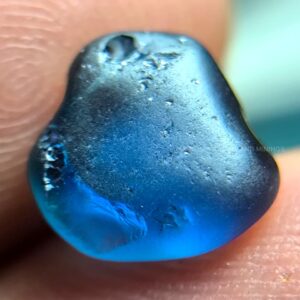
| Weight | 9.80 ct |
|---|---|
| Dimensions | 11.8 × 11.1 × 8.7 mm |
| Variety | Bi-Color Sapphire |
| Cut / Form | Alluvial Rough Clarity: Almost Clean – One Visible Near-Surface Internal |
| Treatment | Natural Unheated |
| Origin | Pelmadulla, Ratnapura District, Sabaragamuwa Province, Sri Lanka |
| Quality Grade | Facet Grade |
| Clarity | Almost Clean – One Visible Near-Surface Internal Feature |
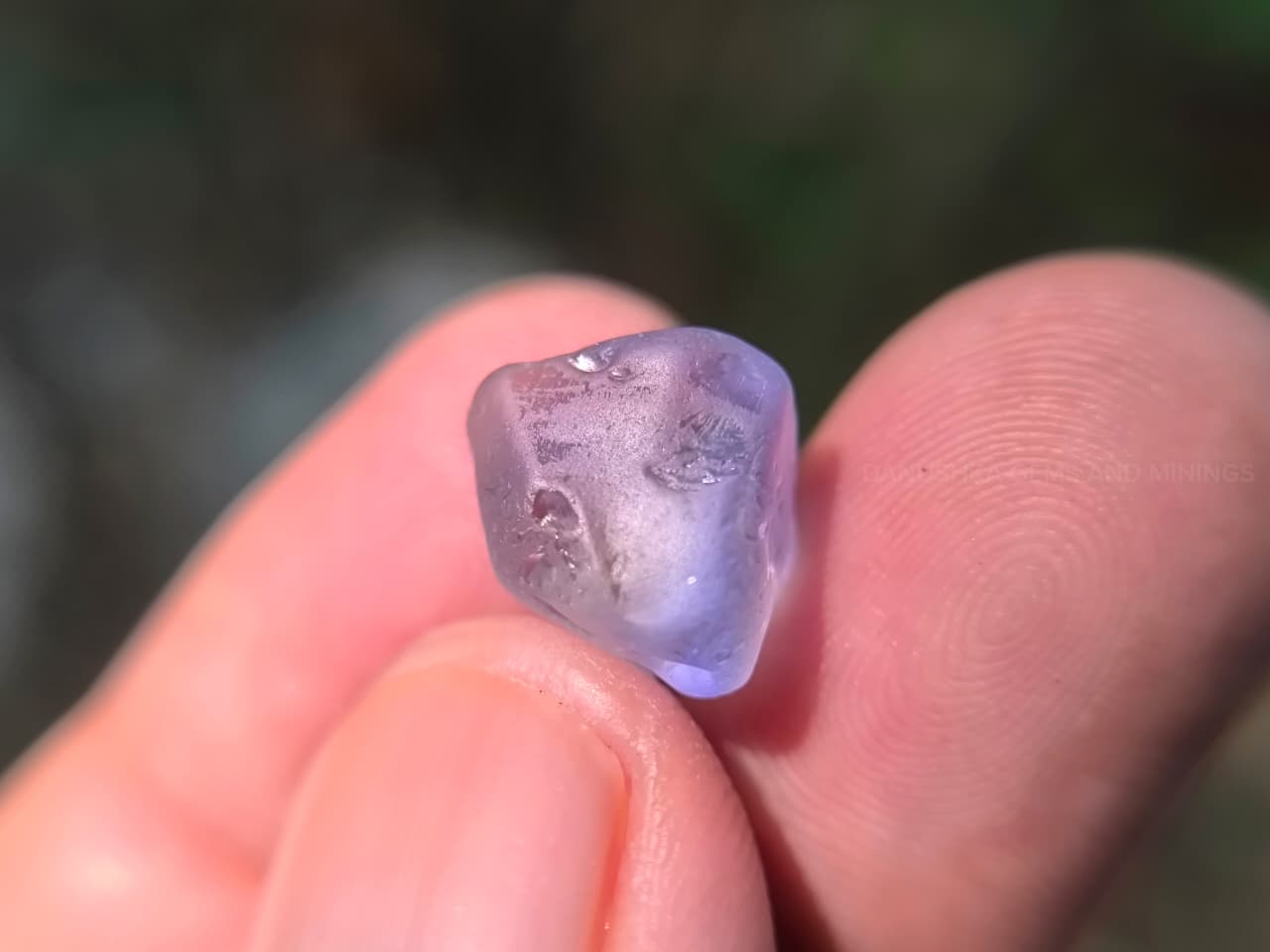
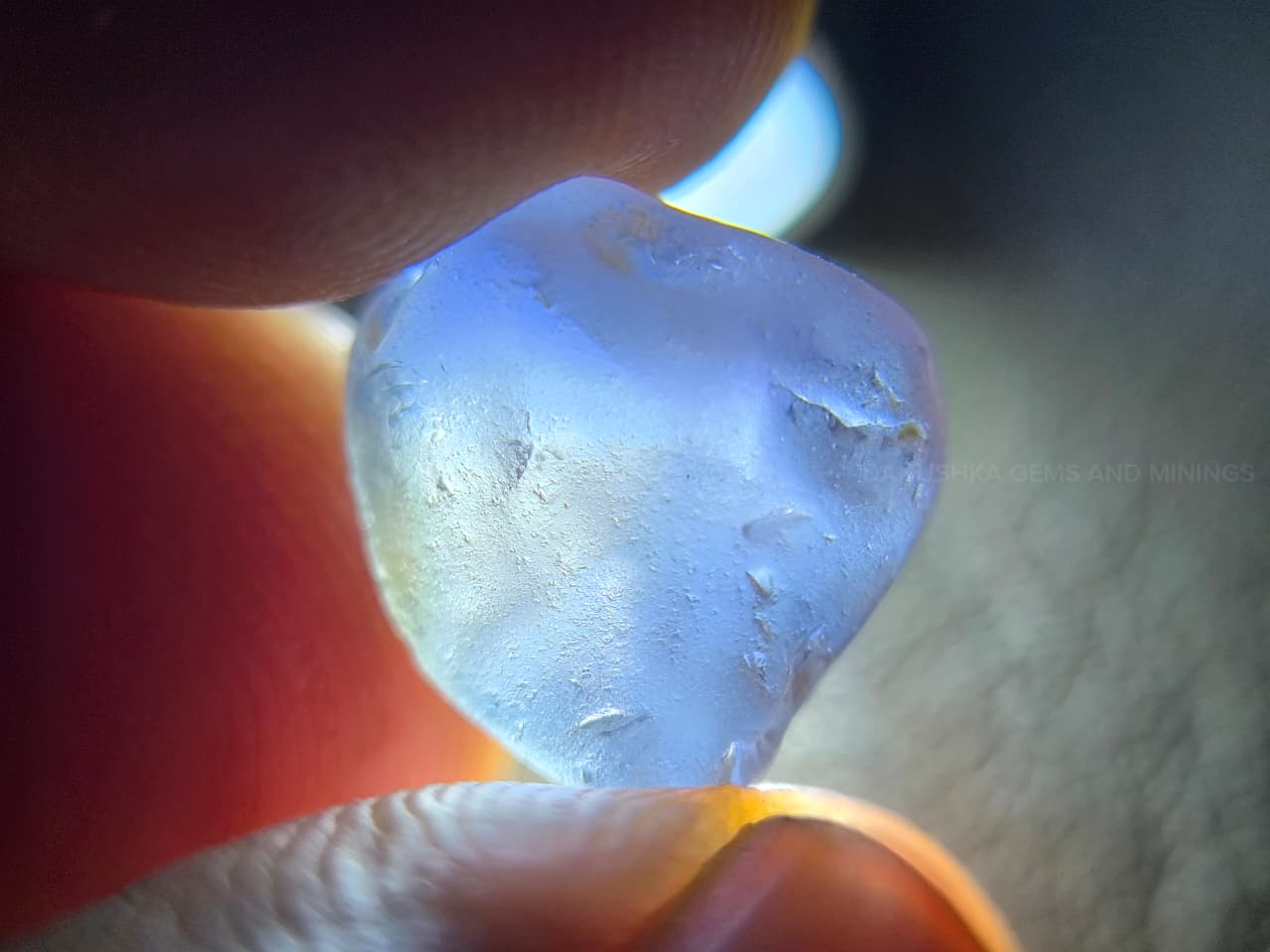
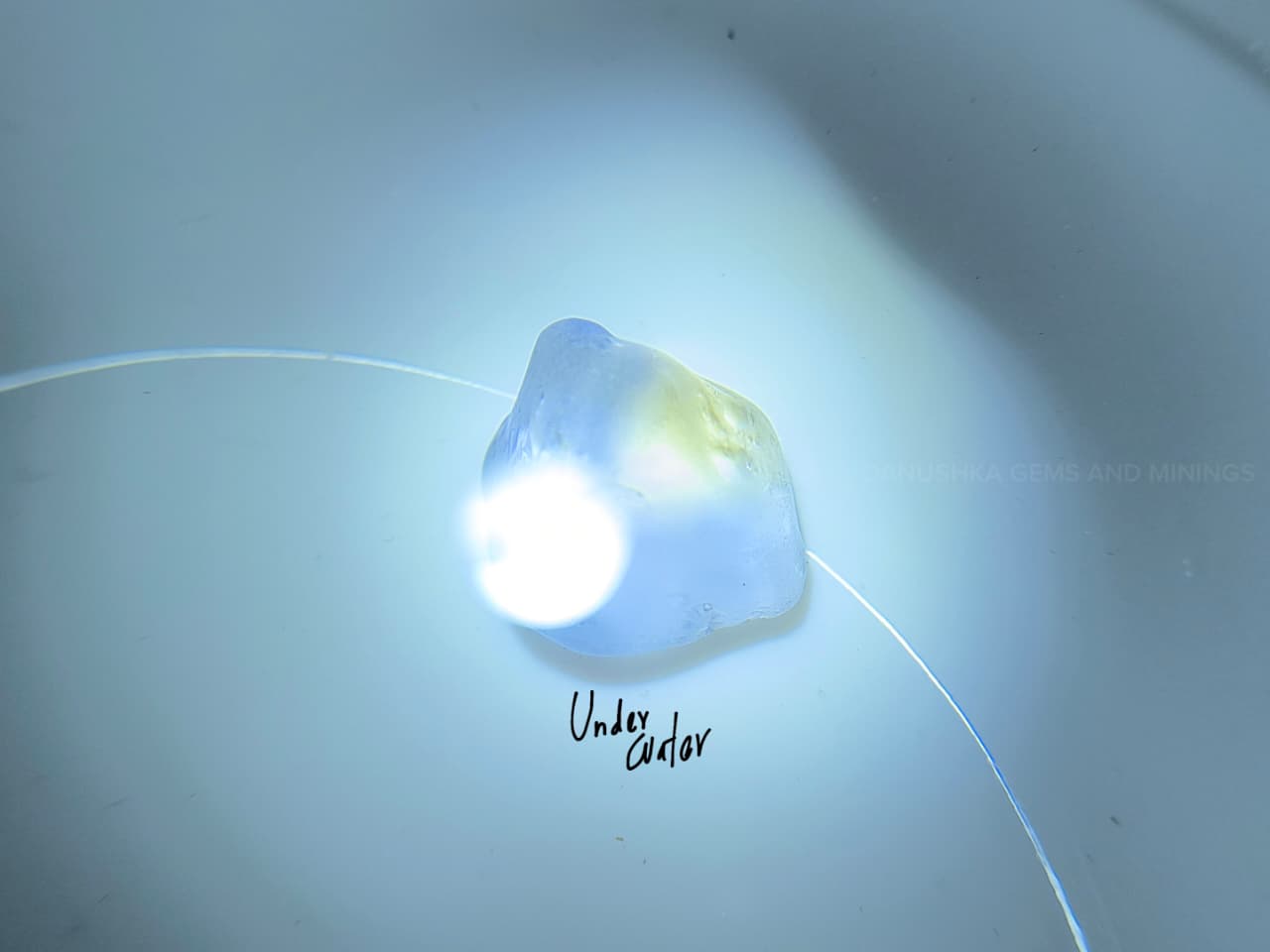
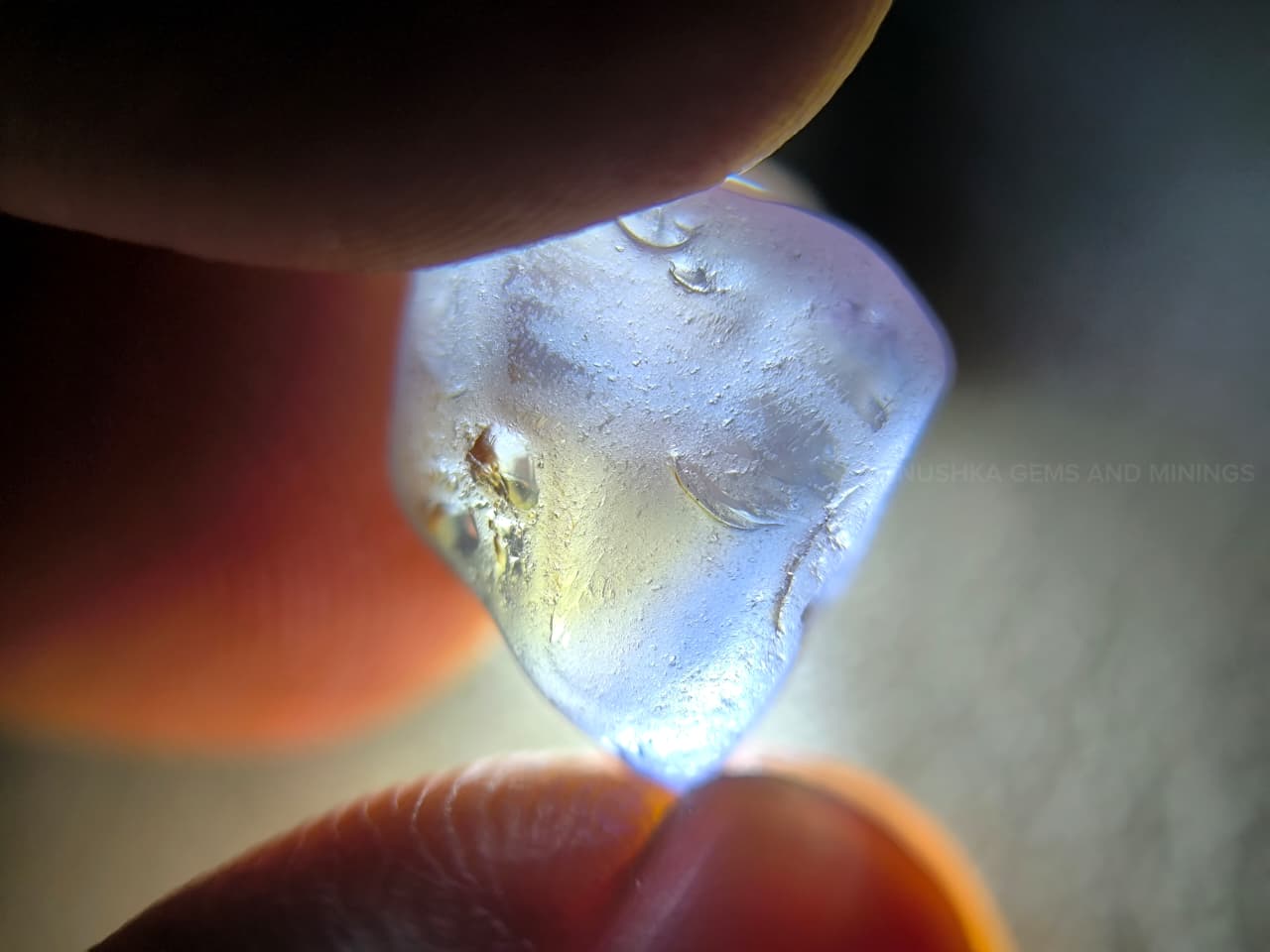
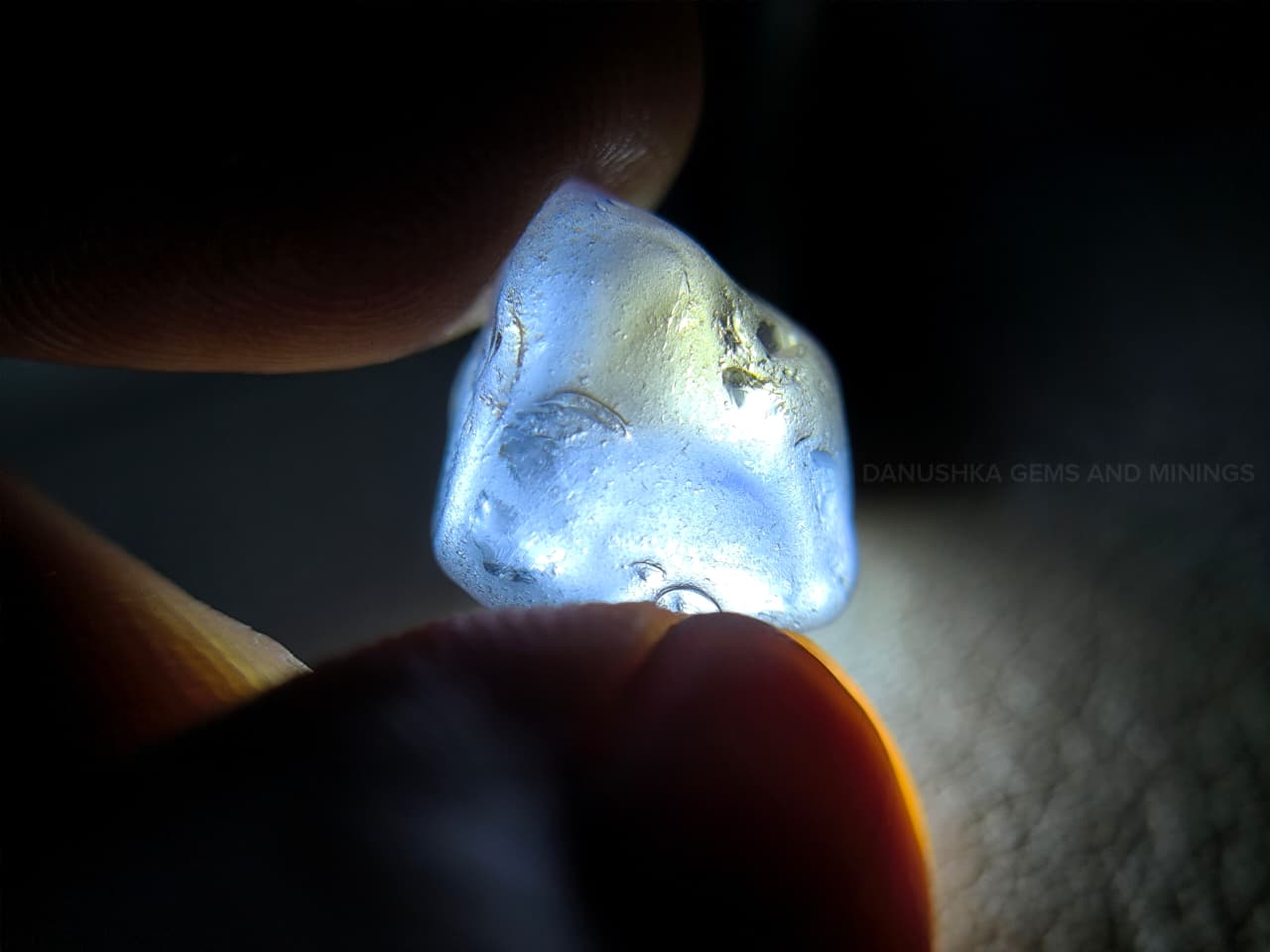
9.80 ct Unheated Ceylon Bi-Color Sapphire Rough – Pelmadulla, Sri Lanka
9.80 ct unheated Ceylon bi-color sapphire alluvial rough from Sri Lanka.
SKU
DG00857
Categories Bi-Color Sapphire, Sapphire Rough
Tags alluvial sapphire, Ceylon Bi-Color Sapphire, Facet grade rough, Sri Lanka Gemstone, Unheated sapphire
Spread the Love
Stone Identity & Quality
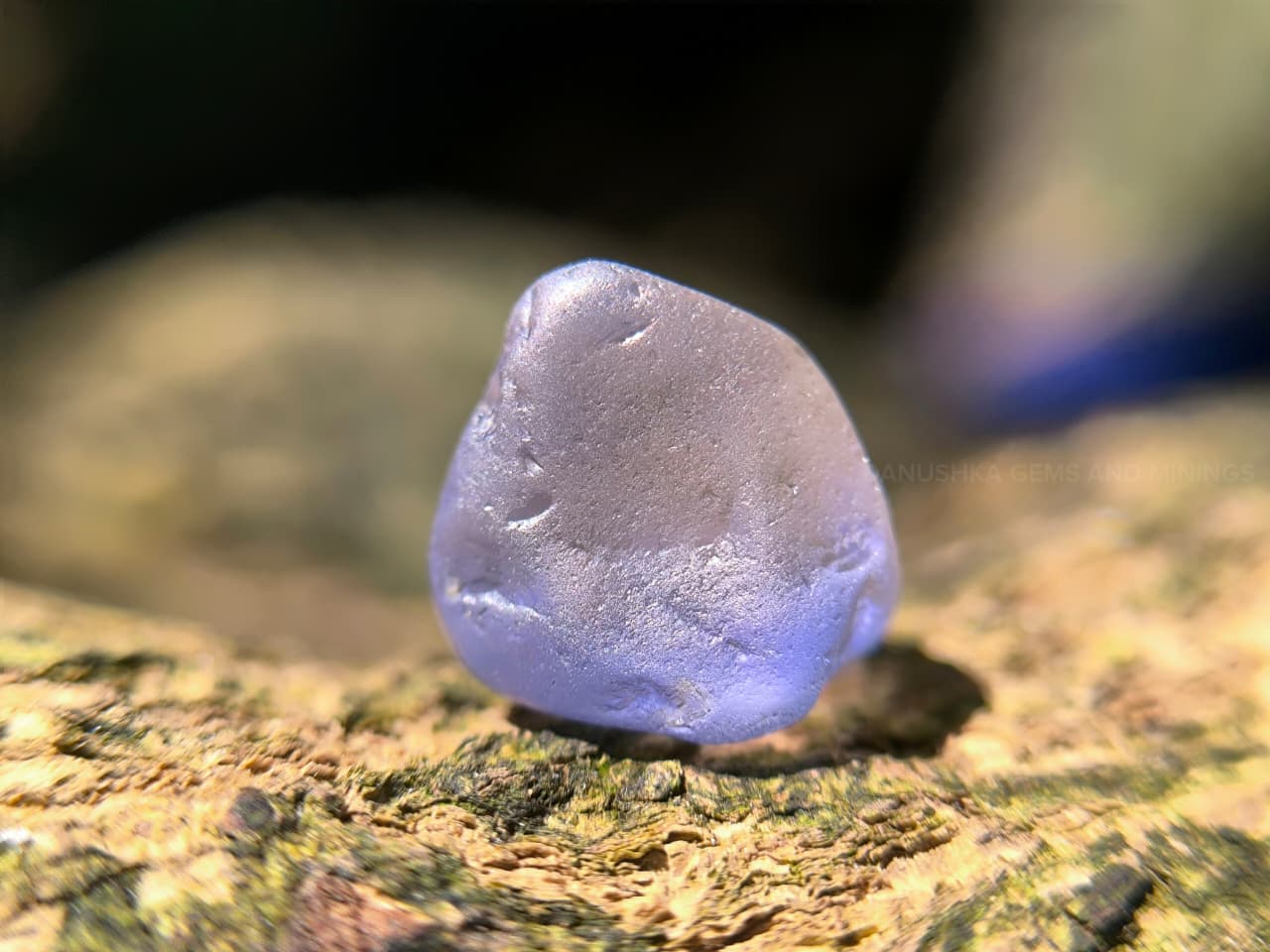
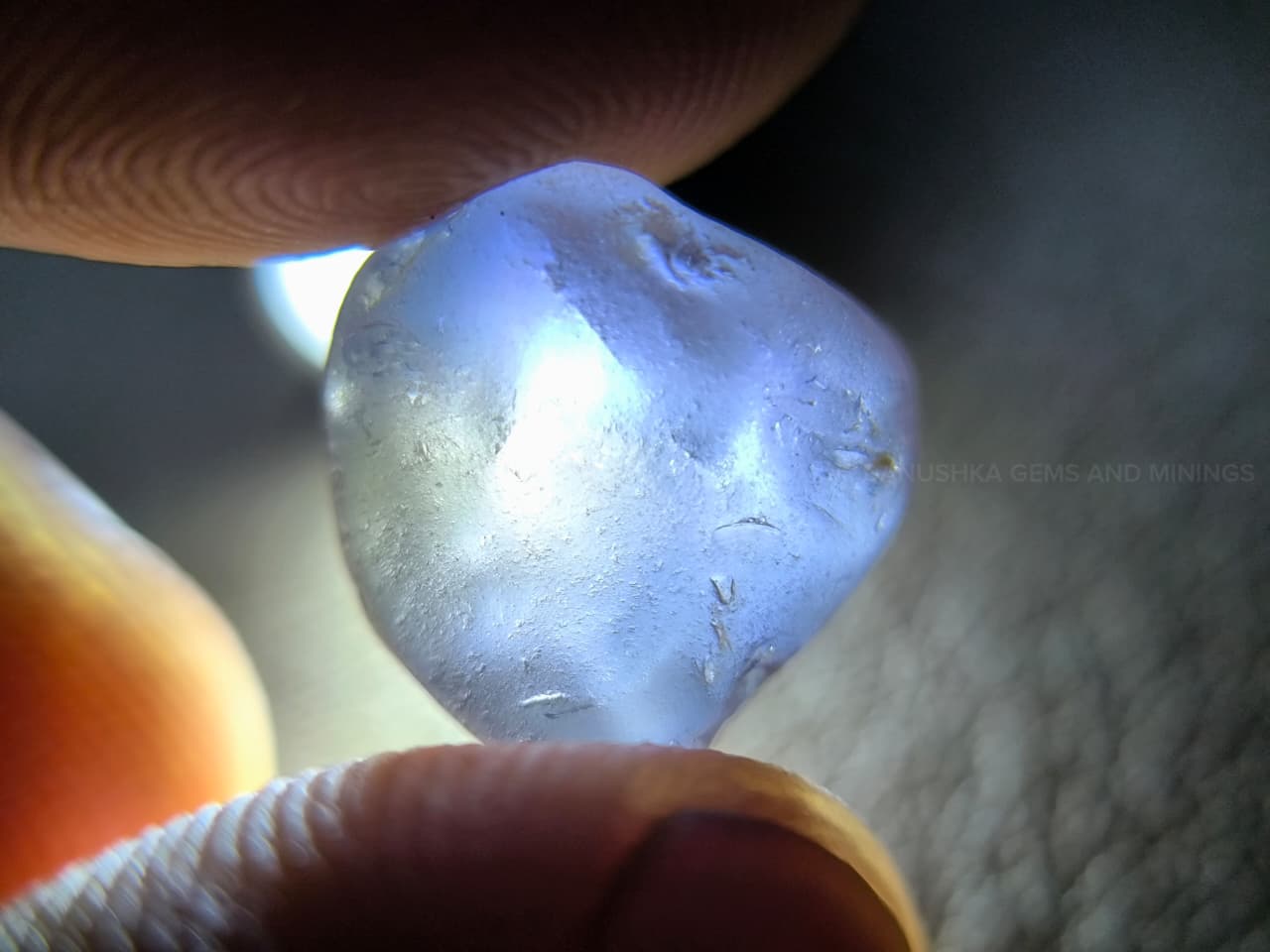
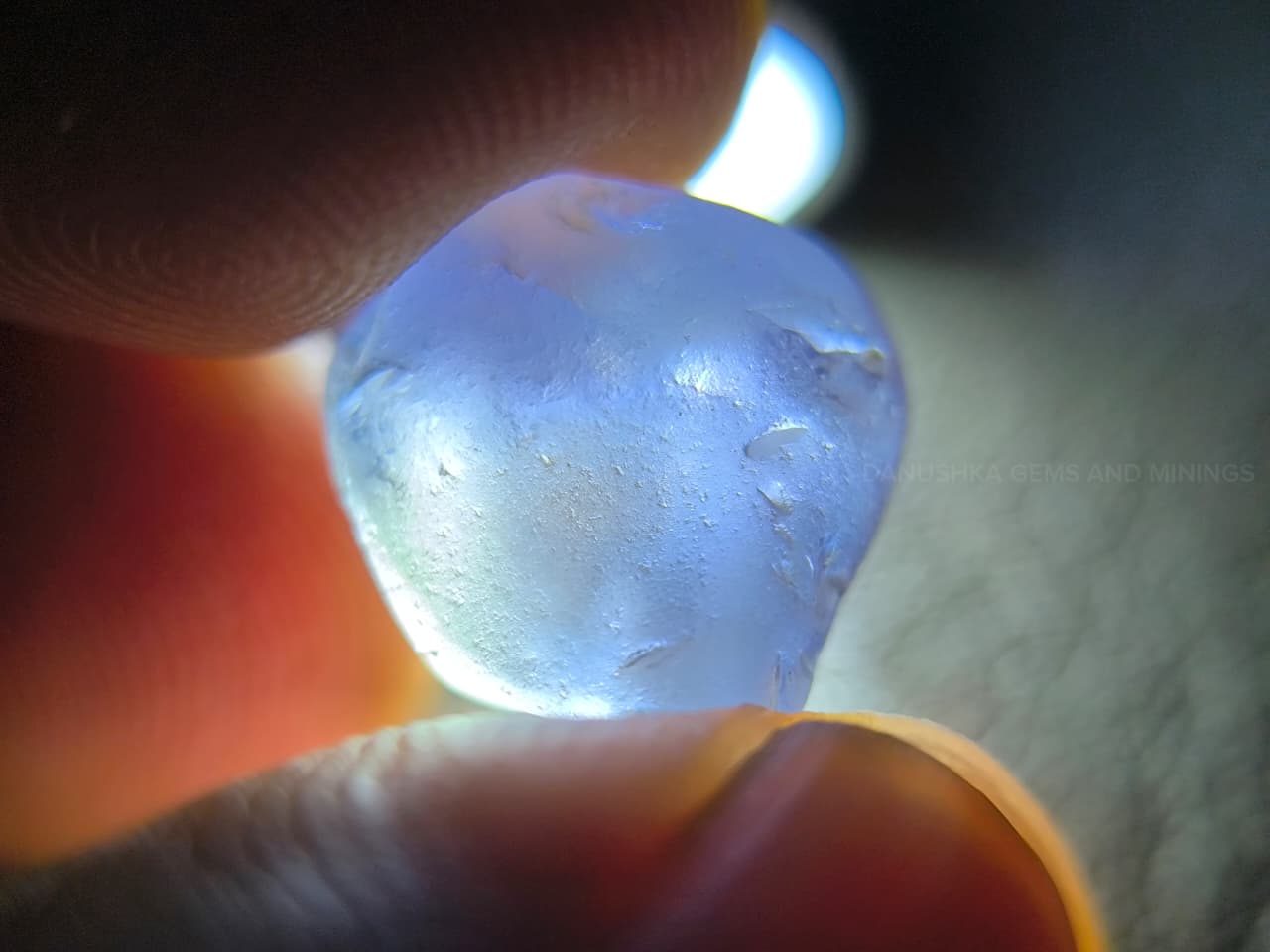
This 9.80 carat natural unheated Ceylon bi-color sapphire is a facet-grade alluvial rough gemstone originating from Pelmadulla village around mining in Sri Lanka. With dimensions of 11.8 × 11.1 × 8.7 mm, it presents a rounded natural form, light blue and yellow color zoning, and areas described through local gem-trade terminology as slightly young geuda.
Sapphire belongs to the mineral species corundum, composed primarily of aluminium oxide (Al₂O₃). Corundum has a Mohs hardness of 9, making sapphire a well-established material for faceted gemstones and fine jewelry. These are general properties of sapphire rather than individually measured laboratory characteristics of this stone.
The rough is described as almost clean, with one visible internal feature positioned near the surface. This provides a useful starting point for cutting evaluation, although complete internal assessment requires examination from several directions and under suitable lighting.
This stone is being presented as facet-grade rough rather than as a finished gemstone. Its final cutting design, polished weight and clarity will depend on professional examination and cutting decisions.
Color & Visual Characteristics
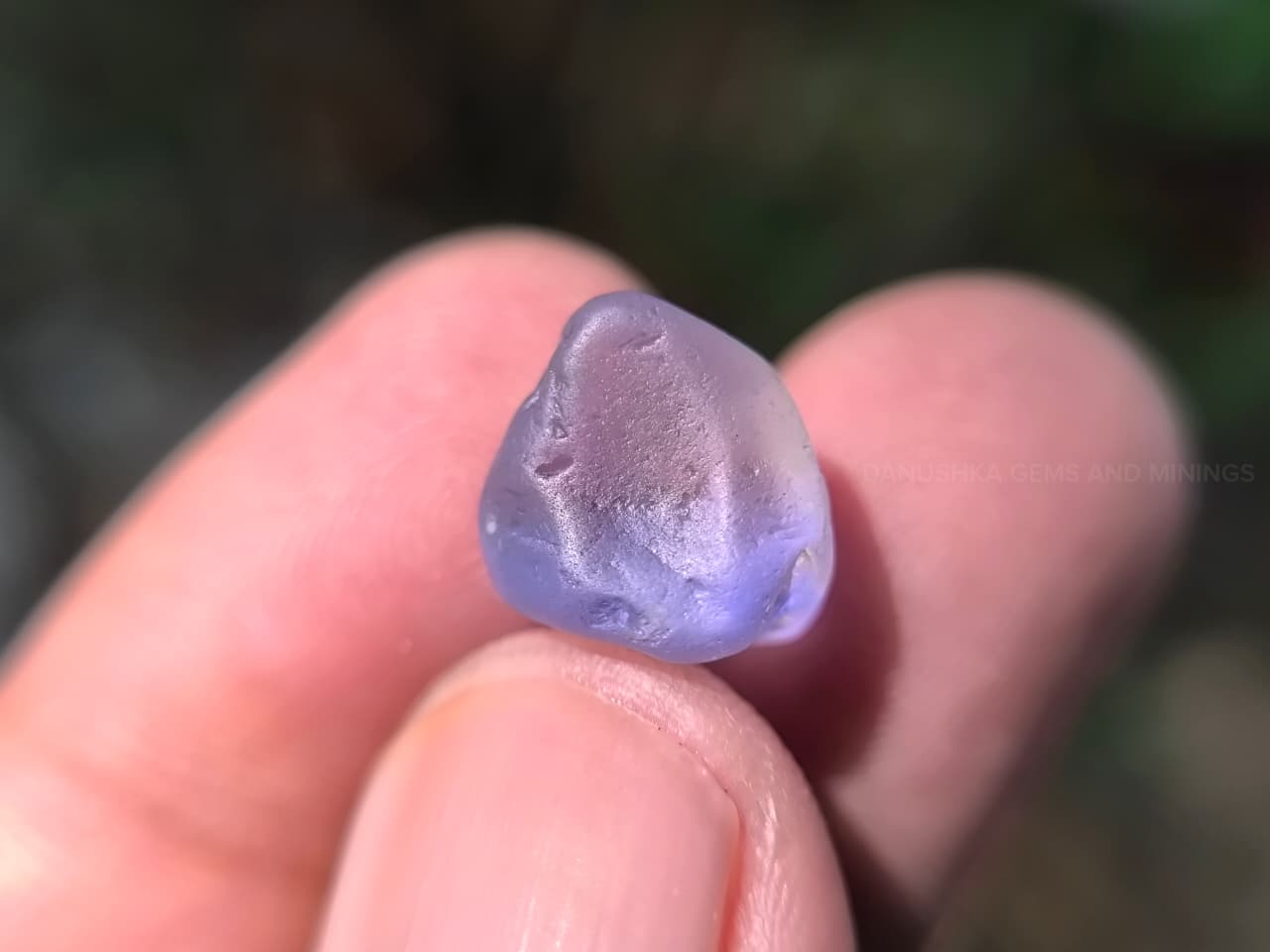
The most interesting characteristic of this Ceylon sapphire rough is its natural light blue and yellow color distribution.
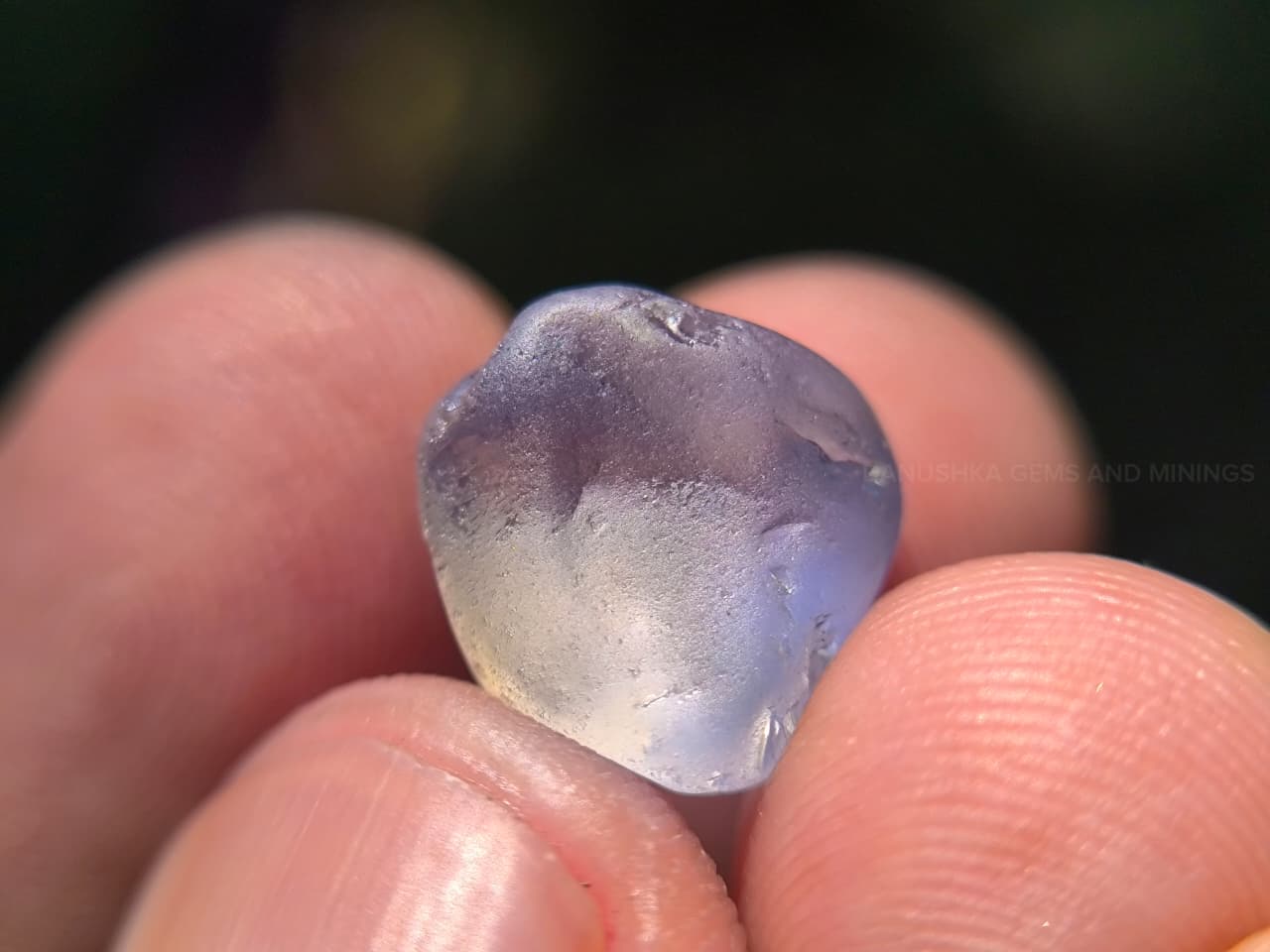
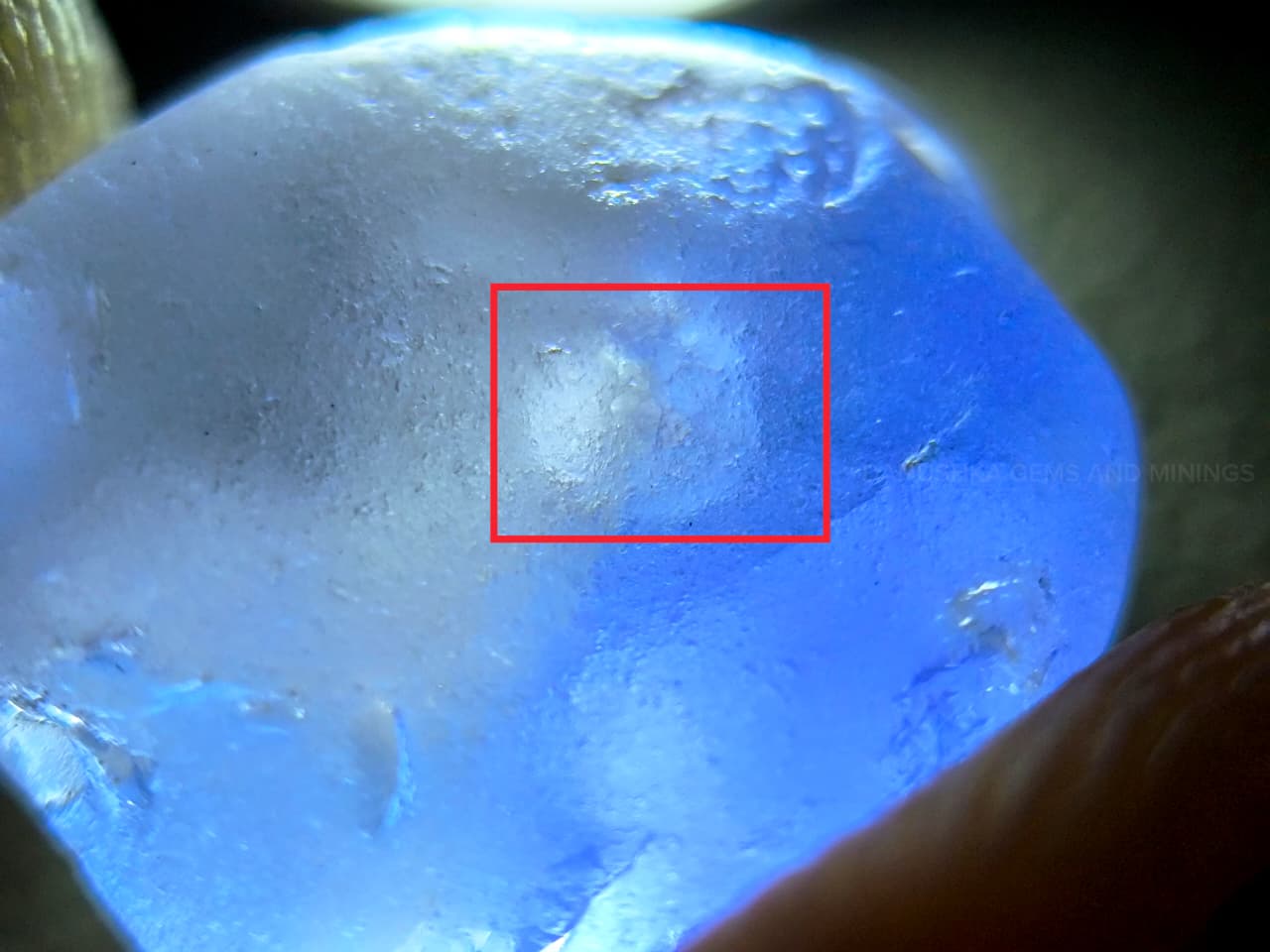
The supplied photographs show a soft blue appearance in portions of the stone, together with pale yellow areas that become more noticeable under transmitted light. The exact apparent colors vary depending on lighting direction, intensity and photographic conditions.
This variation is relevant when evaluating a bi-color sapphire because the orientation of its different color zones can influence the appearance of a finished gemstone.
A cutter may investigate whether the blue and yellow areas can both be presented within the face-up appearance, whether one color should receive greater emphasis, or whether the material is better suited to a different orientation.
The stone also exhibits slightly young geuda-like characteristics. In Sri Lankan gemstone trading, the word geuda is often used for sapphire material showing milky, silky or cloudy characteristics that may be considered for heat-treatment evaluation.
However, the appearance of young geuda material does not establish how a stone will react to heating.
The color zoning visible in this rough is worth studying in its existing natural condition before making any treatment decision.
Internal & External Features
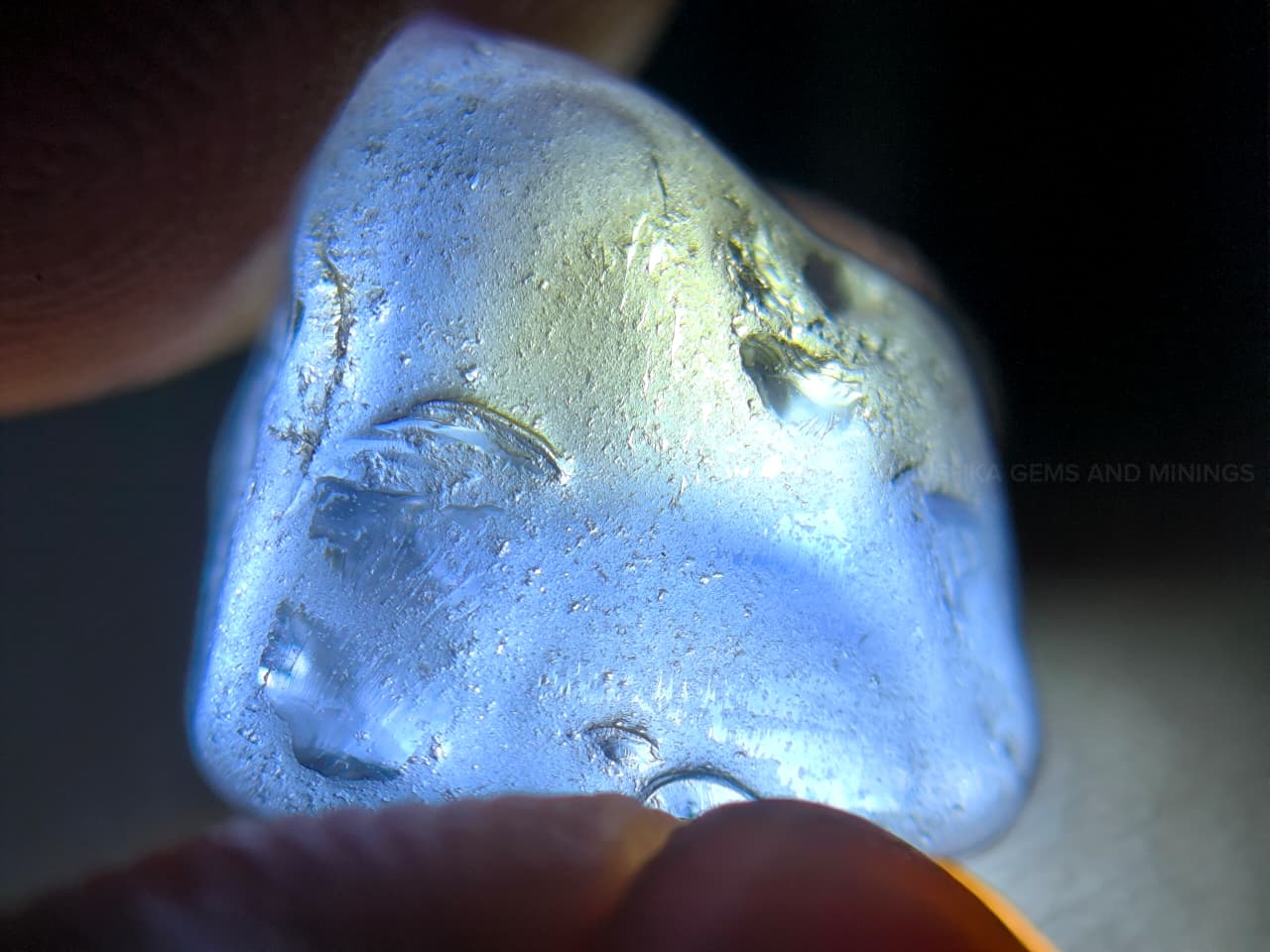
The sapphire has a naturally rounded alluvial exterior with surface texture and small irregularities visible in the supplied images.
These external characteristics are consistent with the presentation of an alluvial rough stone, although photographs alone cannot establish its complete geological or transport history.
The body appears relatively transparent under strong transmitted lighting. Some areas display a softer, slightly cloudy appearance, particularly where the young geuda-like material is visible.
One internal feature has been reported close to the surface. This is important because its precise depth, orientation and relationship to the intended cutting outline may influence cutting decisions.
An experienced lapidary should inspect this area carefully to determine whether it can be removed during preforming, accommodated within the chosen design, or requires a different orientation.
The photographs also show surface irregularities and small reflective features. These should not be automatically classified as specific inclusions, fractures or mineral growth features without magnified examination.
Although the stone is described as almost clean, a finished clarity grade cannot be determined from the rough photographs alone.
Cutting Potential & Professional Evaluation
With a weight of 9.80 ct and dimensions of 11.8 × 11.1 × 8.7 mm, this facet-grade rough provides a three-dimensional body for professional cutting consideration.
The 8.7 mm depth is relevant because it gives the cutter material to work with when exploring possible orientations and designs. However, depth alone cannot determine whether a particular finished shape, proportion or recovery percentage is achievable.
The first important consideration is the distribution of the blue and yellow color zones.
For a bi-color sapphire, the cutting direction can significantly influence how the two colors are displayed in the finished gemstone. A cutter may attempt to preserve both colors in a visually balanced arrangement rather than allowing one zone to dominate unintentionally.
The second consideration is the near-surface internal feature.
The cutter should examine its exact location and evaluate whether it interferes with the planned pavilion, crown or girdle areas. Removing this feature may involve some weight loss, depending on the surrounding material.
The third consideration is the geuda-like appearance.
Before committing to a final cutting plan, the material can be evaluated in its existing natural condition and compared with any potential benefits and risks of professional heat treatment.
Two approaches may be considered:
Natural unheated cutting: Preserve the existing blue and yellow color zoning and develop a finished gemstone around the natural appearance of the material.
Professional heat-treatment evaluation: Examine whether the geuda-like areas provide a reason to consider heating before final cutting, while recognizing that changes in color, transparency or internal features cannot be predicted reliably from photographs.
Neither approach guarantees a specific finished weight, clarity, shape, visual result or market value.
For this particular sapphire, careful evaluation before cutting is especially important because the existing bi-color appearance is already a distinctive visual characteristic.
Origin & Source Story
This natural sapphire originates from Pelmadulla village around mining in Sri Lanka, within the well-established gemstone-producing region of Ratnapura District in Sabaragamuwa Province.
Sri Lanka has a long history of sapphire production, and the international gemstone trade commonly uses the name Ceylon sapphire for sapphires originating from the country.
Pelmadulla and its surrounding gemstone-producing areas are part of the regional network of mining villages, local collectors, traders and lapidary professionals involved in Sri Lanka’s gemstone industry.
Danushka Gems & Minings works through Sri Lankan source areas, building relationships with miners, mine owners, local gemstone buyers and source dealers.
Our approach involves examining stones individually, understanding their material characteristics, and considering their suitability for rough trading, professional cutting or further gemological evaluation.
This 9.80 ct bi-color sapphire is presented with its known origin and natural rough characteristics, including the young geuda-like appearance and visible internal feature.
Treatment, Cutting & Certification Notes
Current treatment disclosure: Natural Unheated.
The sapphire is described as unheated in its present condition.
Slightly young geuda-like material is visible, making professional heat-treatment evaluation a possible consideration.
In Sri Lankan source-market experience, some varieties of geuda-bearing sapphire are selected for heating experiments because controlled thermal treatment can alter certain color-related or clarity-related characteristics.
However, these results depend on the specific material, internal features, temperature conditions and treatment process.
Not all geuda-type material responds favorably to heating. Some material may show little improvement, unwanted color changes or damage during treatment.
For this sapphire, no specific heating outcome can be confirmed in advance.
The option of preserving the stone as a natural unheated bi-color sapphire should therefore be considered alongside any proposed heating process.
Custom cutting, further gemological examination or certification may be arranged where suitable. Any future laboratory report would reflect the laboratory’s own testing and conclusions.
Why This Stone Is Interesting
This 9.80 ct sapphire brings together several practical characteristics that make it interesting for cutters and gemstone professionals.
Its light blue and yellow zoning provides an opportunity to study natural color distribution and possible bi-color cutting orientations.
Its almost-clean appearance, combined with one visible near-surface internal feature, presents a relatively straightforward but important cutting-planning consideration.
The slightly young geuda-like areas also introduce another decision: whether to retain the existing natural appearance or investigate the material’s suitability for professional heat treatment.
For gemstone dealers, collectors, lapidaries and designers, the stone offers a useful example of how color, clarity, internal features and treatment decisions interact before a rough sapphire becomes a finished gem.
Source & Ethical Position
Danushka Gems & Minings focuses on connecting Sri Lankan gemstone sources with domestic and international gemstone professionals.
Our work includes visiting gemstone-producing areas, maintaining relationships across the local source trade, and evaluating individual stones according to their natural characteristics and practical possibilities.
We believe rough gemstones should be presented with clear information rather than unrealistic expectations.
That includes honest disclosure of known origin, treatment status, visible features and cutting considerations, along with a clear distinction between observations and results that require further testing.
Custom cutting and certification support can be considered where suitable.
This approach helps gemstone buyers make informed decisions while recognizing the knowledge and work involved throughout Sri Lanka’s gemstone supply chain.
Frequently Asked Questions
It is a 9.80 ct natural Ceylon bi-color sapphire alluvial rough, displaying light blue and yellow color zoning.
No. Its current stated treatment status is Natural Unheated. Professional heat treatment is only being considered as a possible future option.
It originates from Pelmadulla village around mining in Sri Lanka, in Ratnapura District, Sabaragamuwa Province.
It is offered as facet-grade rough. Its color zoning, internal feature and usable body should be evaluated before determining the final cutting design.
Certain geuda-type sapphires can respond to professional heating, but the result for this particular stone is unknown. Careful evaluation is necessary, and no color or clarity improvement can be guaranteed.