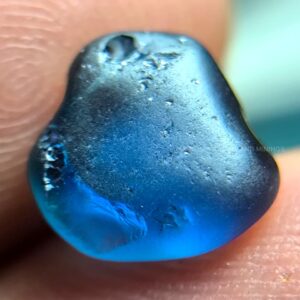
| Weight | 13.30 ct |
|---|---|
| Dimensions | 11.0 × 8.2 × 7.1 mm |
| Grade | Facet Grade |
| Variety | Sapphire Rough |
| Treatment | natural and unheated |
| Mining Location | Karapincha, Ratnapura, Sabaragamuwa Province village around mining in Sri Lanka |
Sold out!


13.30 ct Natural Unheated Young Geuda Sapphire Rough from Karapincha Ratnapura – Facet Grade Ceylon Sapphire
SKU
DG00828
Categories Sapphire Rough, Young Geuda Sapphire Rough
Tags geuda heat treatment, Geuda Sapphire, Heat Treatment Sapphire, Ratnapura sapphire, Sri Lanka gemstone supplier, Young Geuda Sapphire
Spread the Love
Stone Identity & Quality
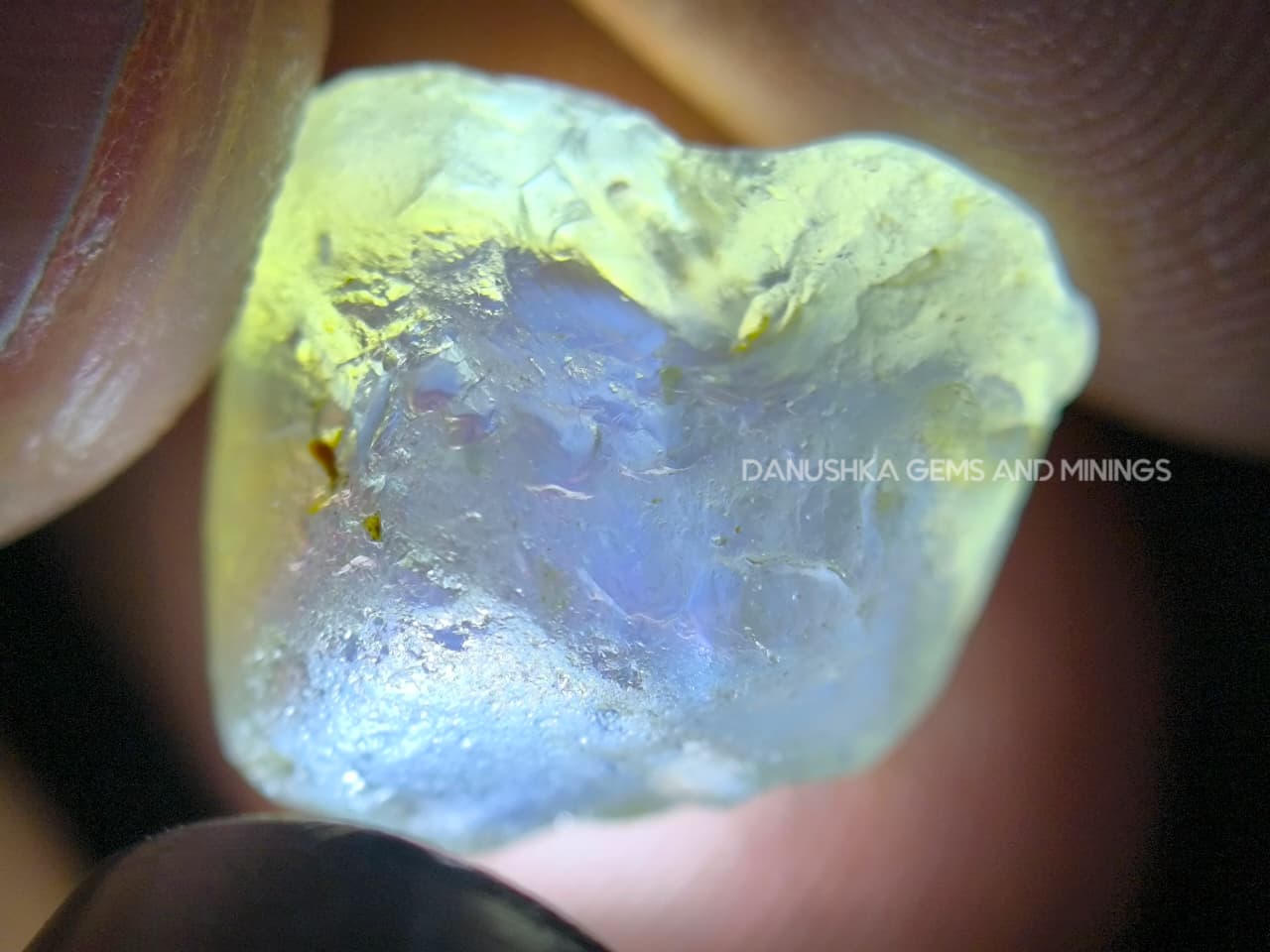
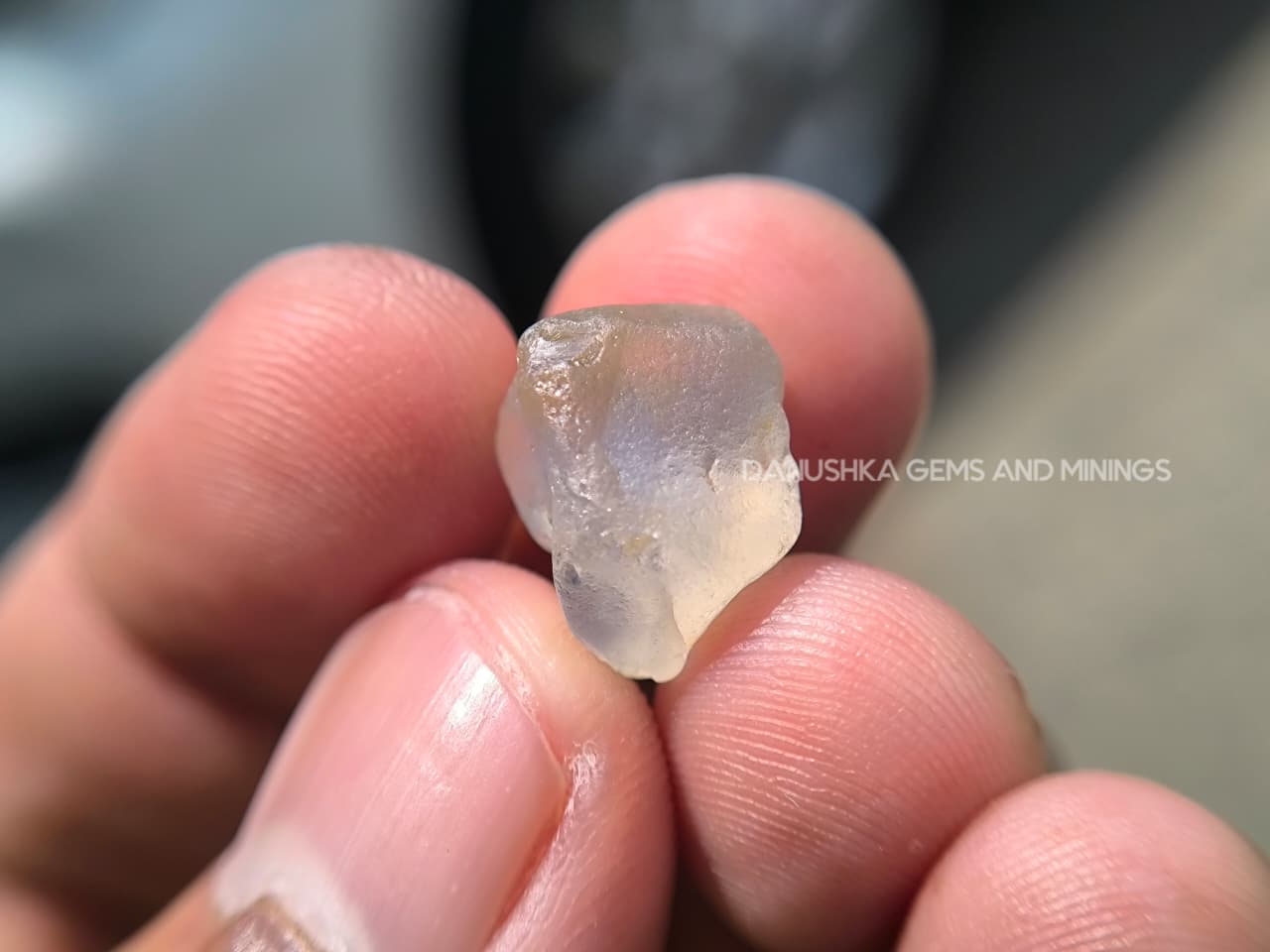
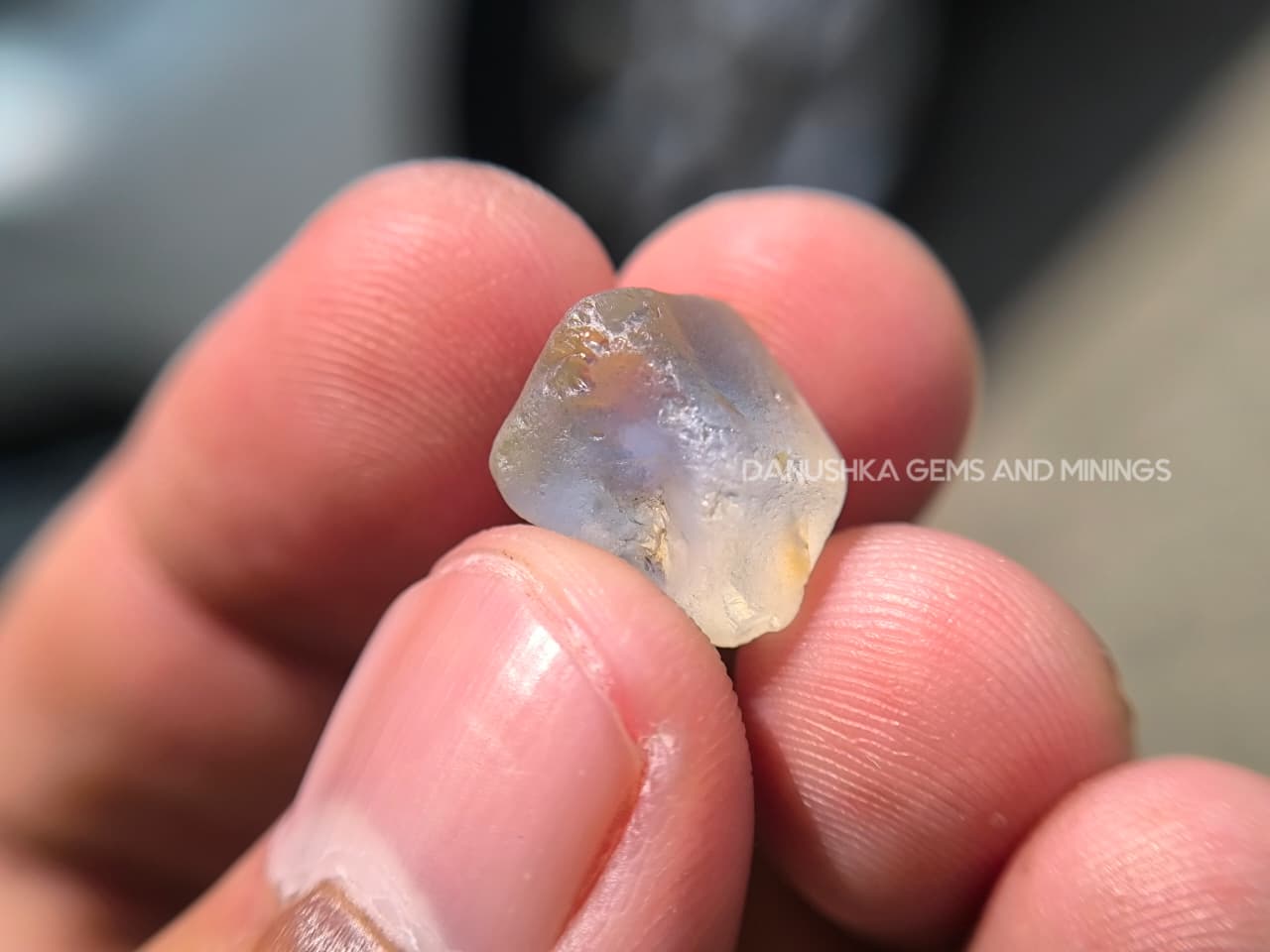
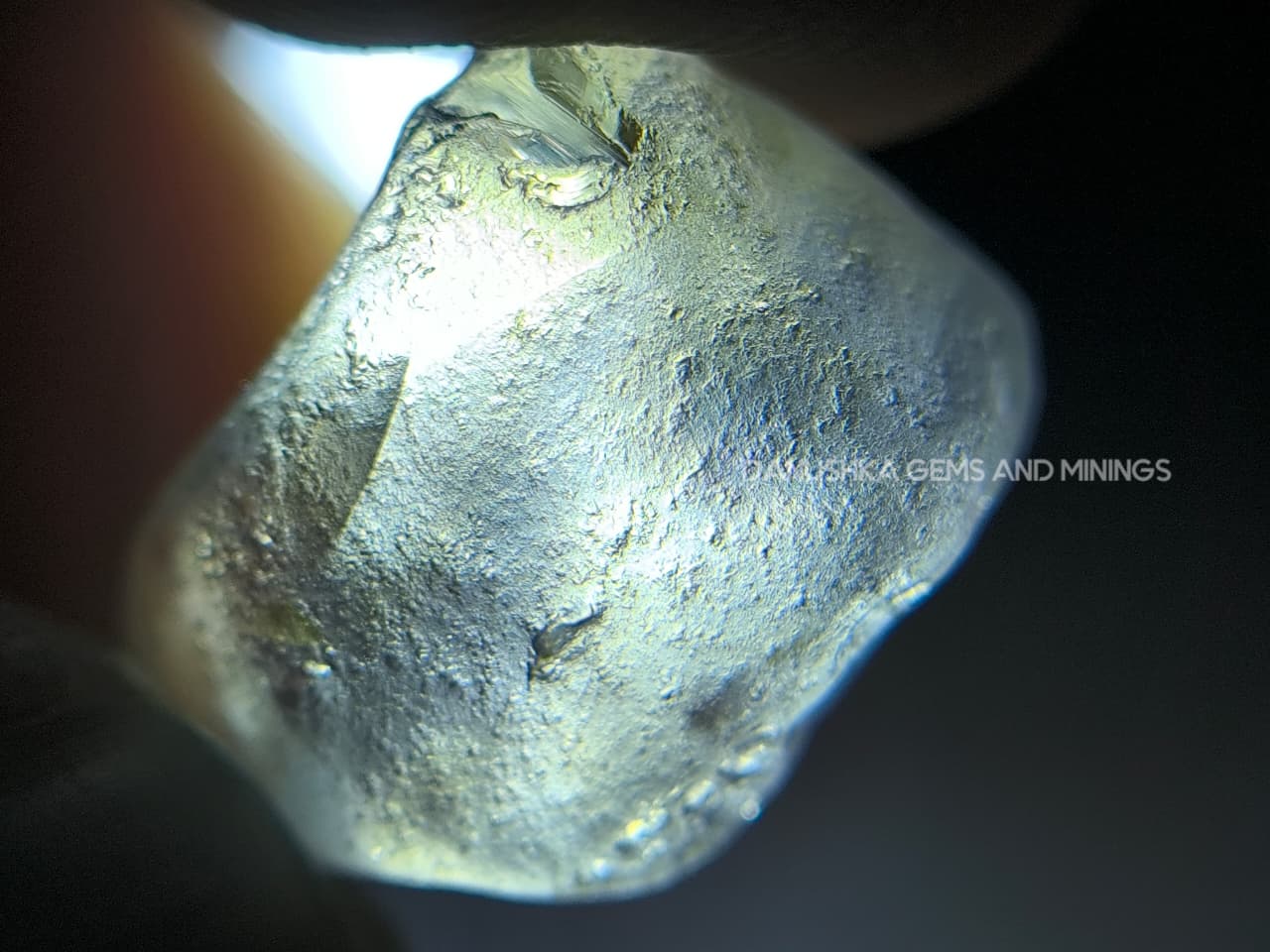
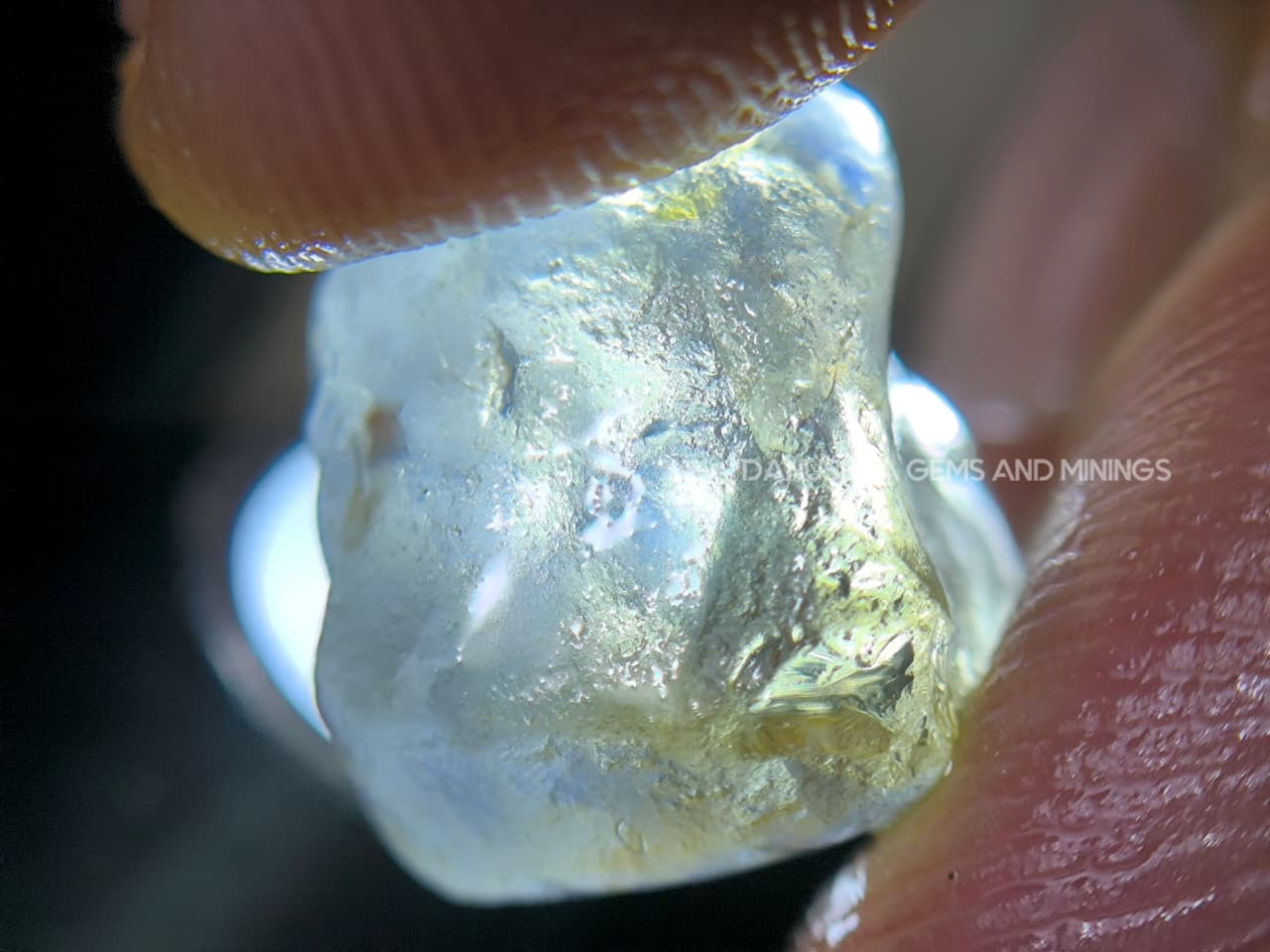
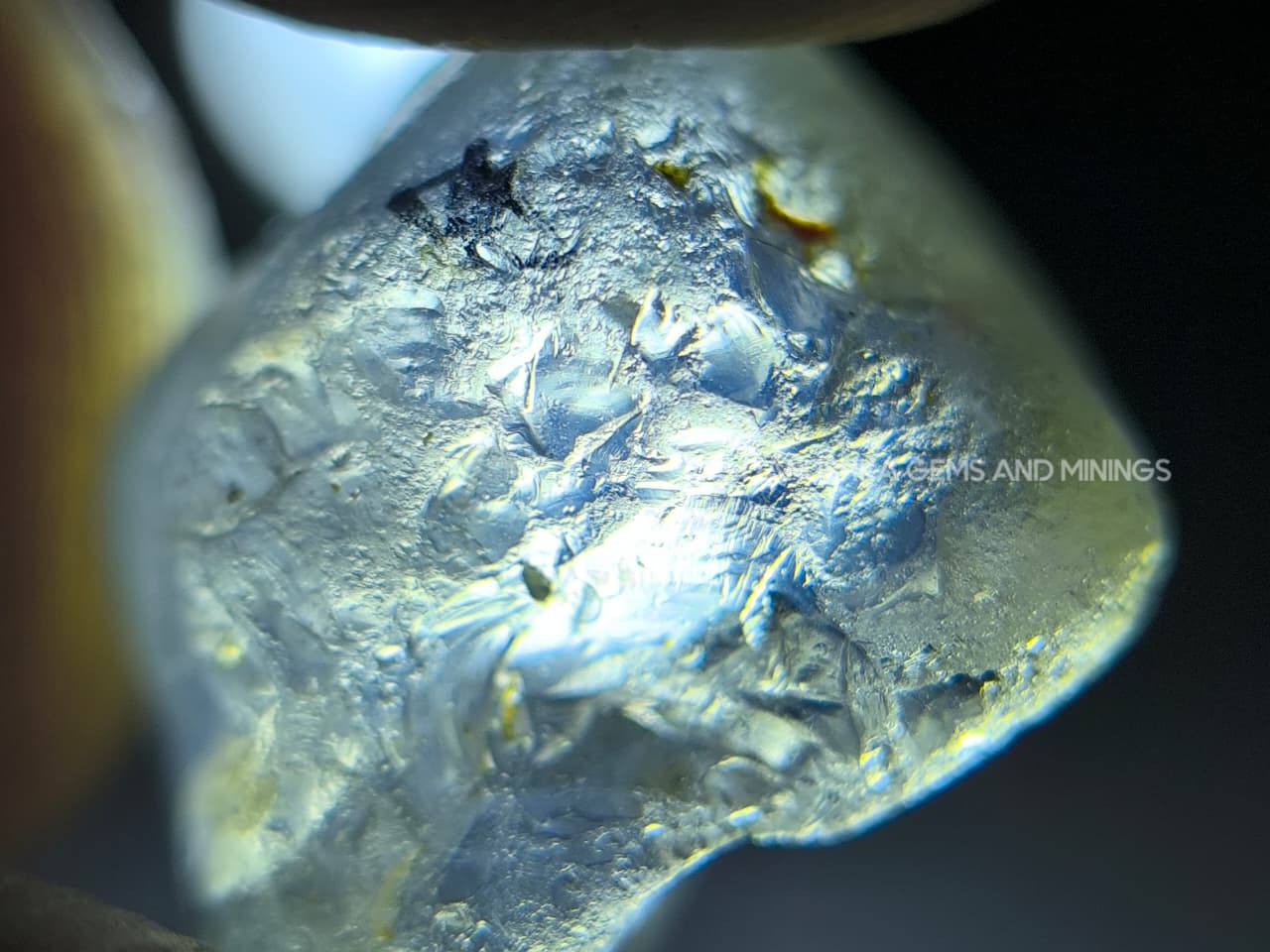
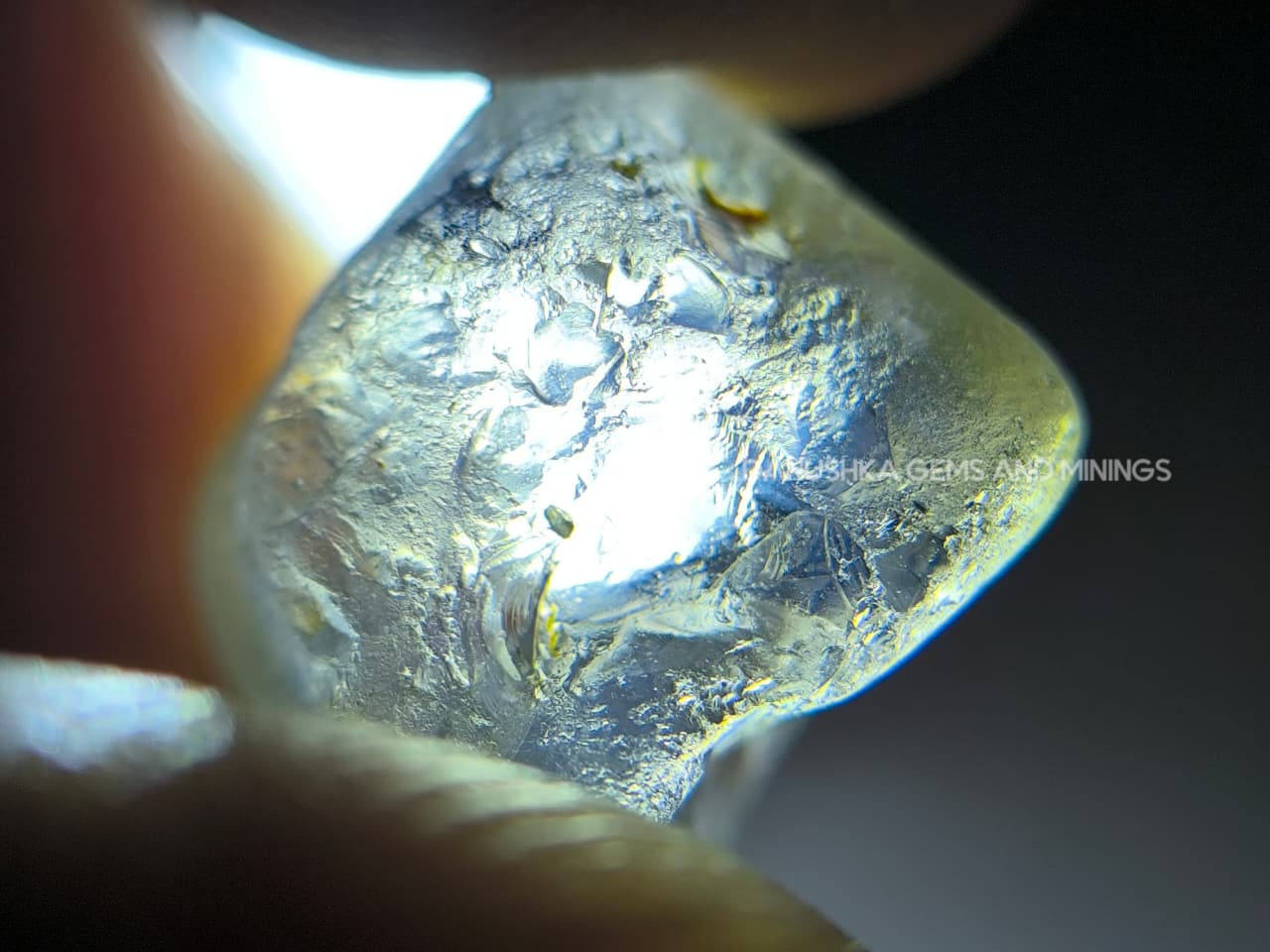
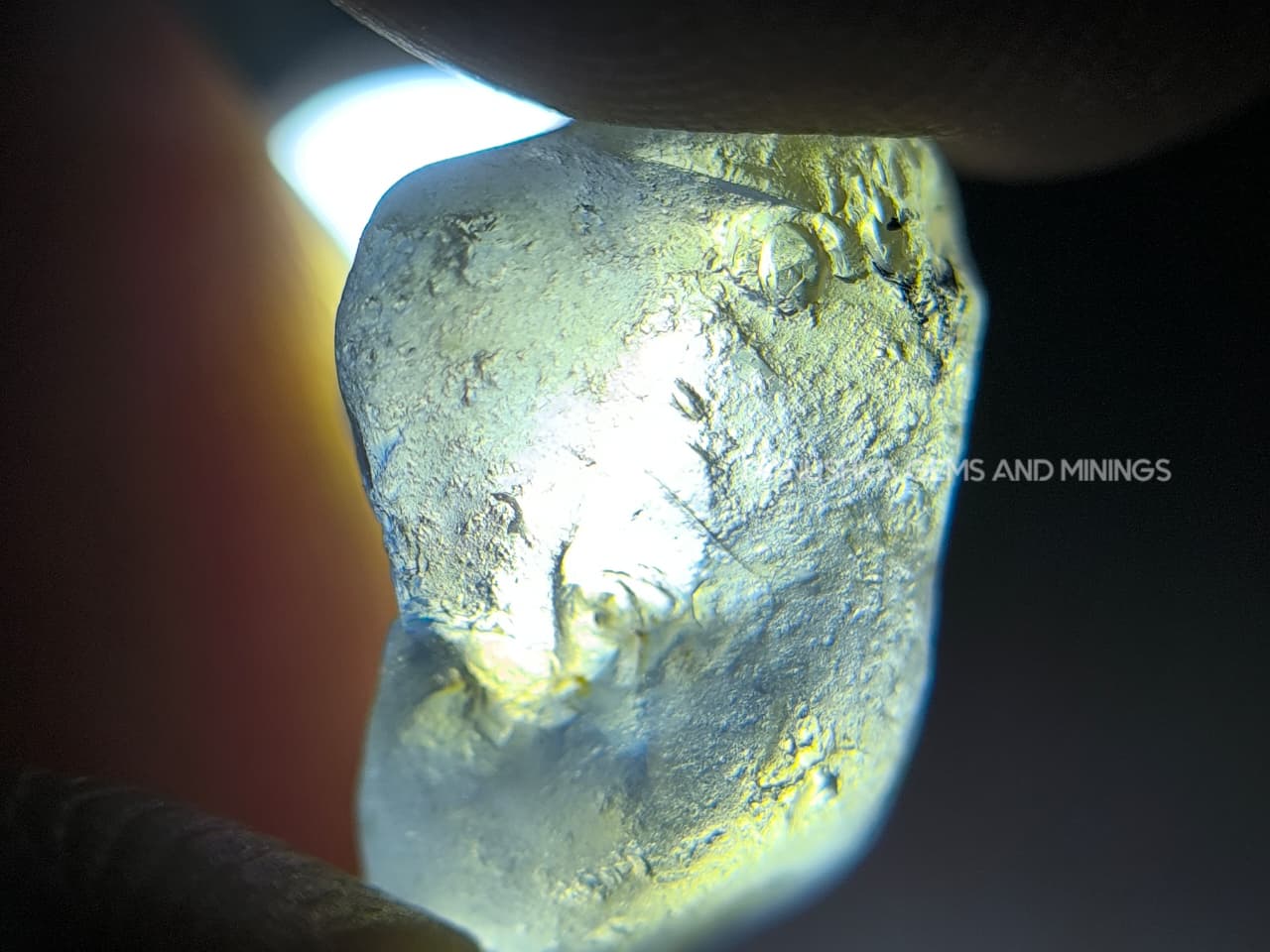
This is a 13.30 ct natural unheated young geuda sapphire rough measuring approximately 11.0 × 8.2 × 7.1 mm. The stone was sourced from Karapincha, Ratnapura, Sabaragamuwa Province village around mining in Sri Lanka.
It is classified as facet-grade young geuda material and has been selected primarily for professional cutting and heat-treatment evaluation. At present, the sapphire remains natural and unheated. Any future treatment should therefore be disclosed clearly if the stone is heated and subsequently offered as a finished sapphire.
Young geuda is an important category within Sri Lankan sapphire trading because some material that initially appears pale, cloudy, silky or only lightly colored can respond significantly to carefully controlled heat treatment. However, not every geuda stone behaves in the same way.
Color & Visual Characteristics
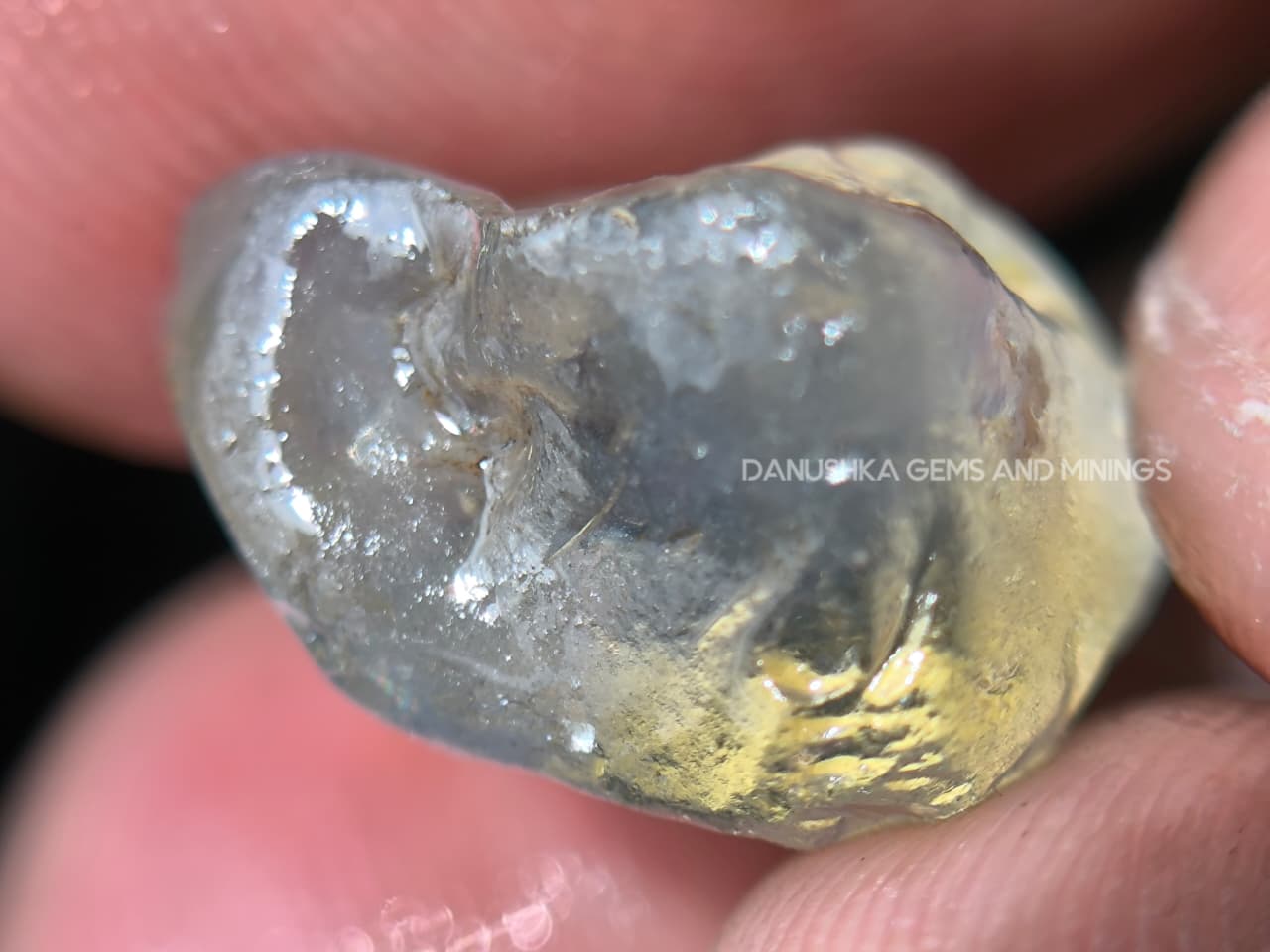
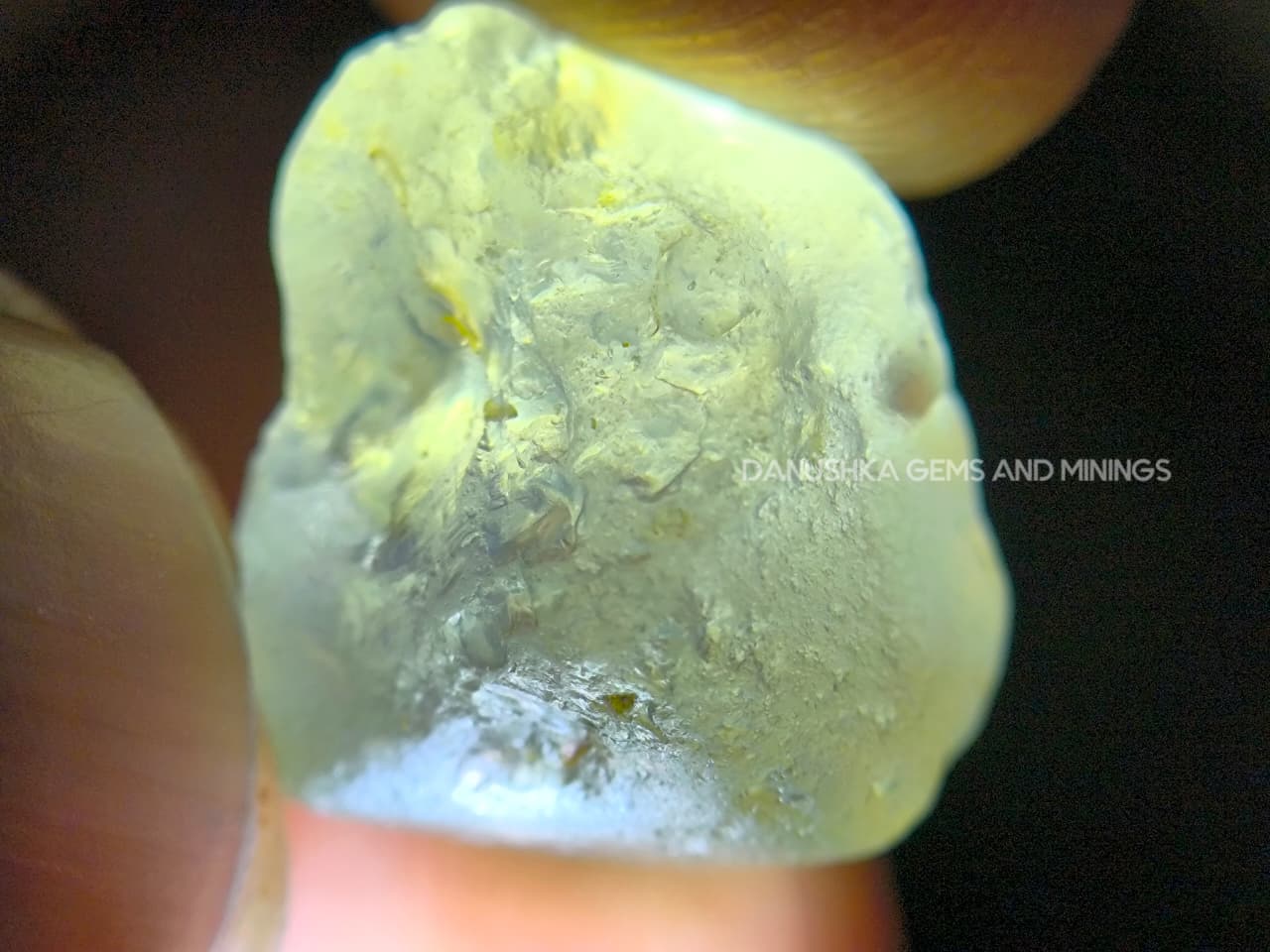
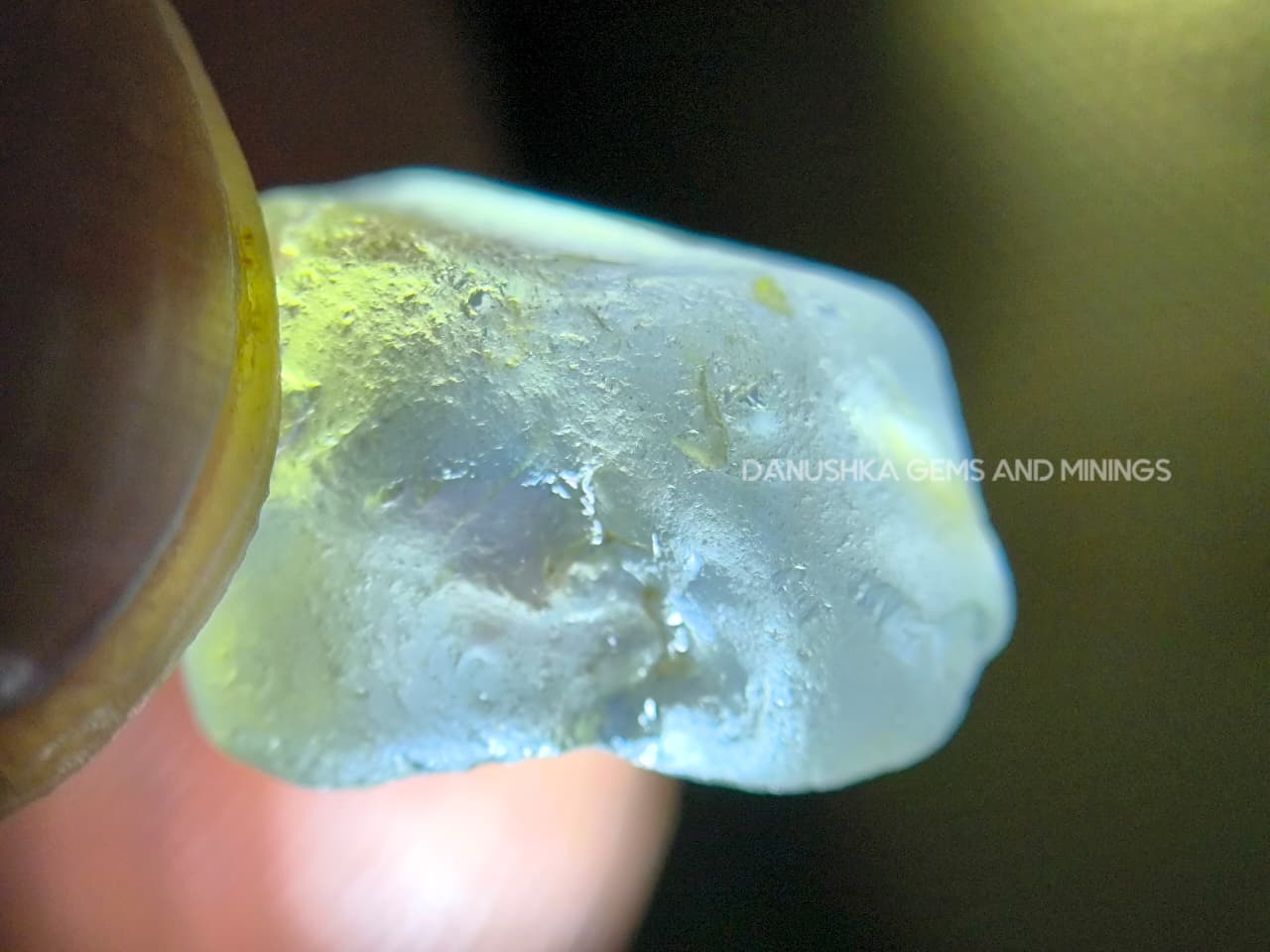
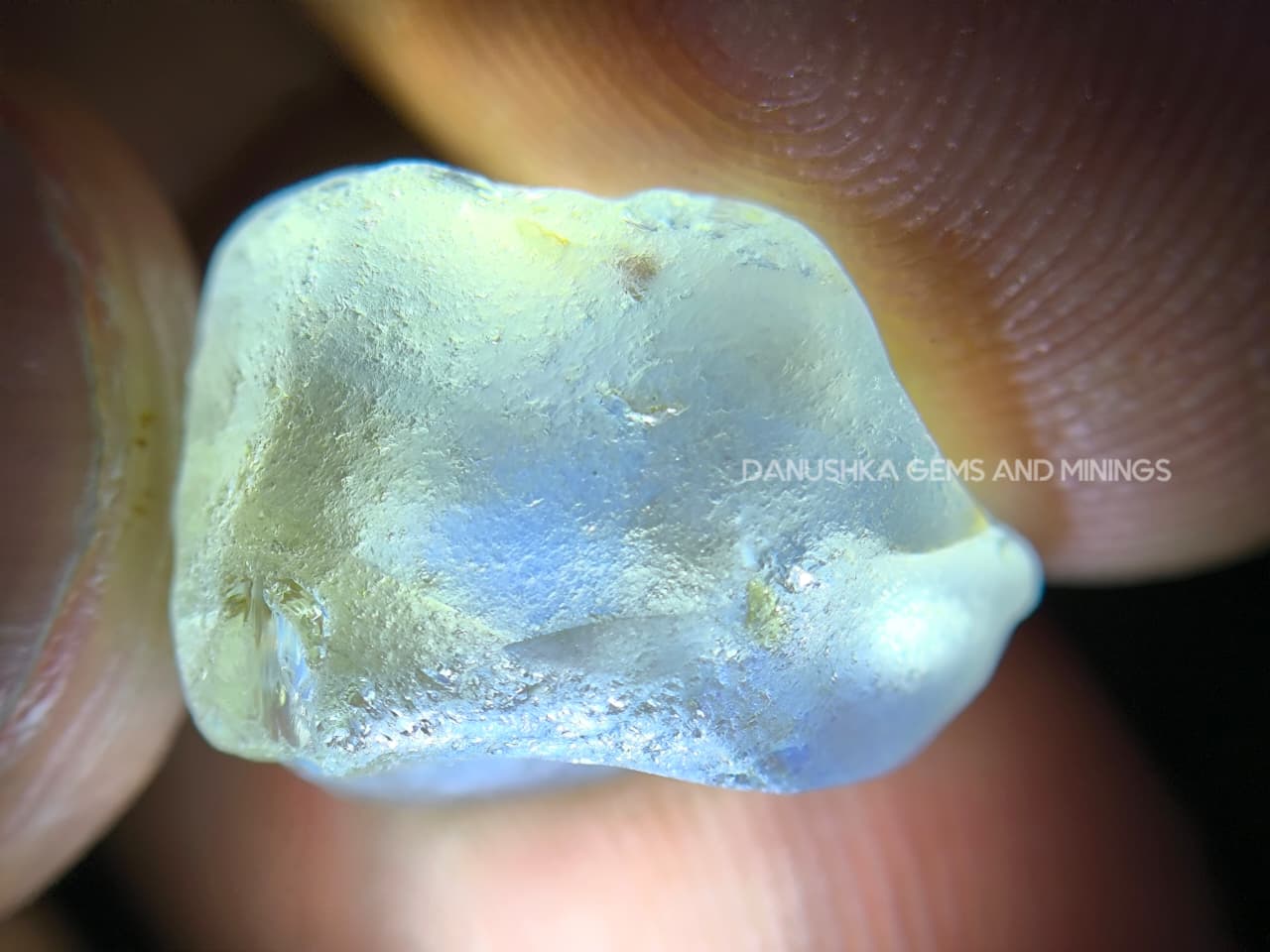
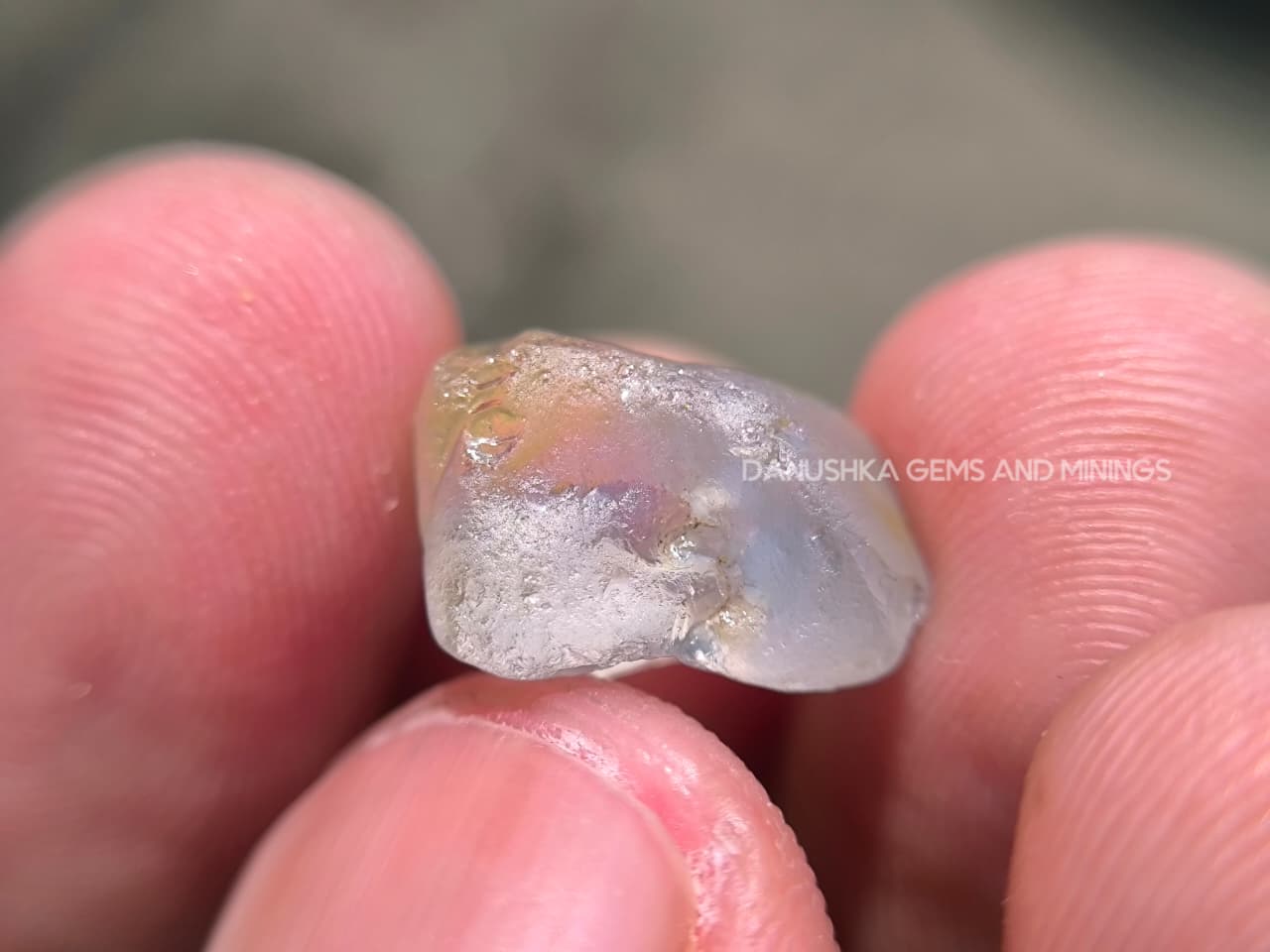
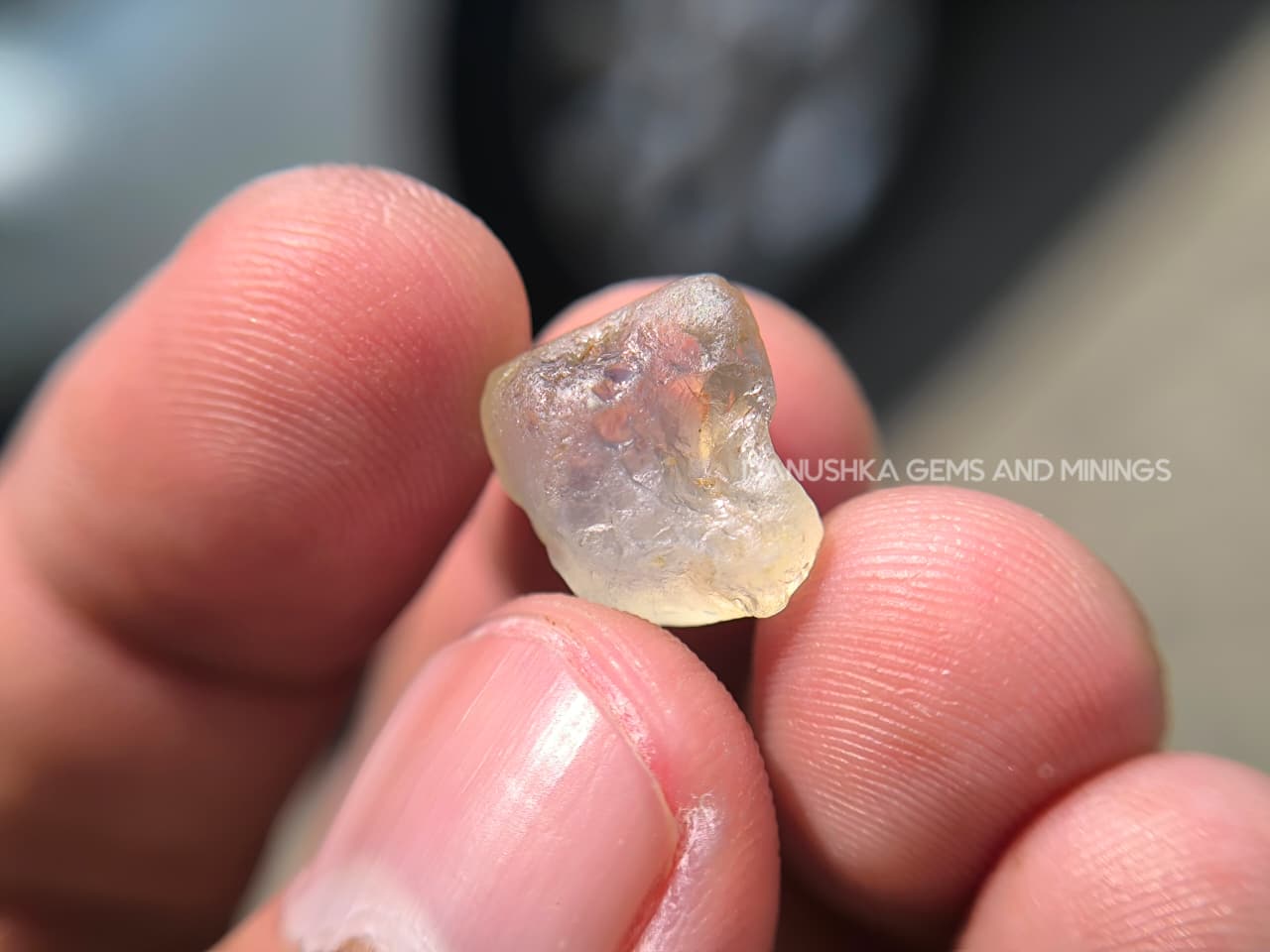
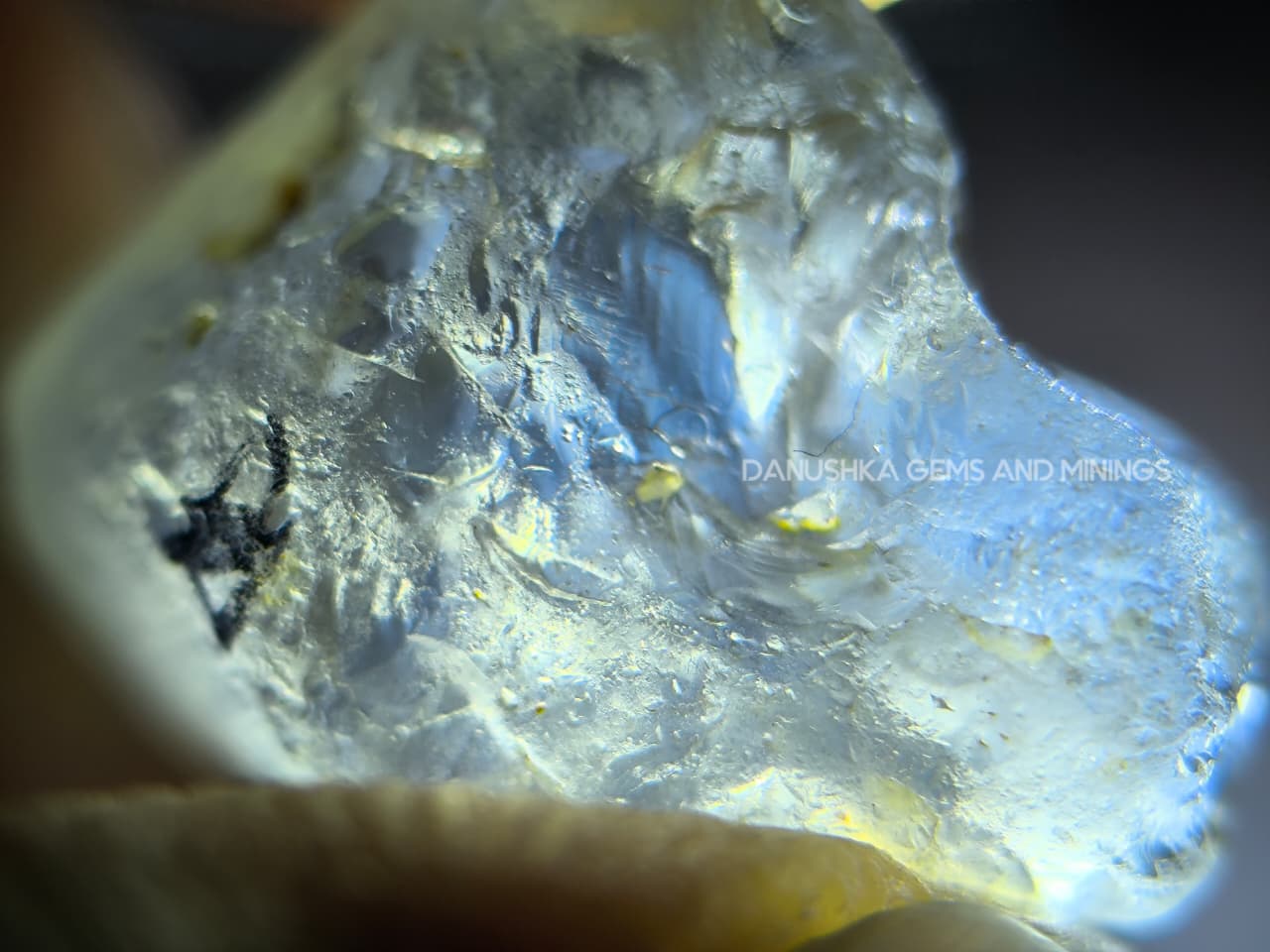
In its present unheated condition, the rough displays the light, translucent to cloudy appearance associated with young geuda material rather than the fully developed saturated blue expected from a finished blue sapphire.
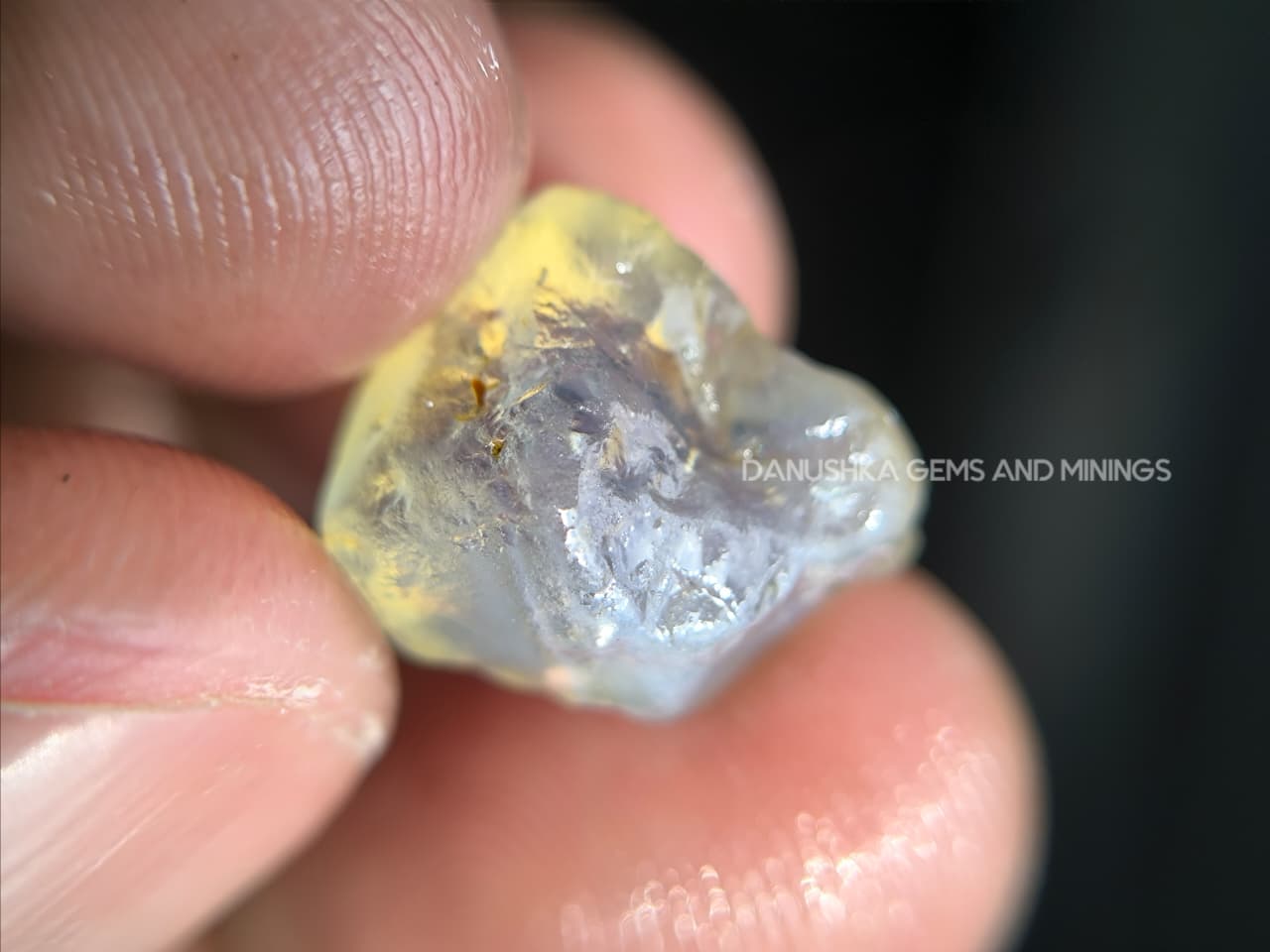
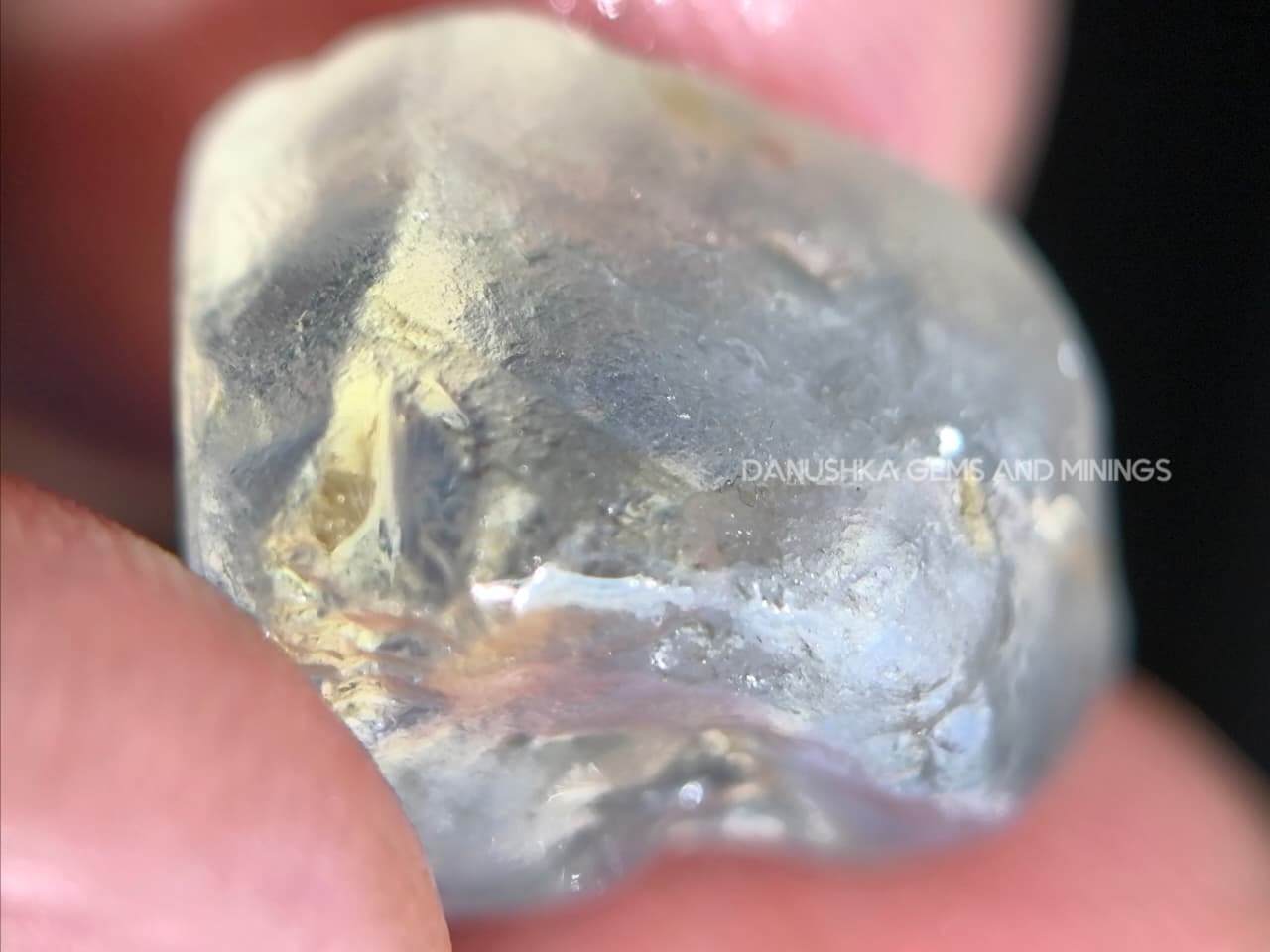
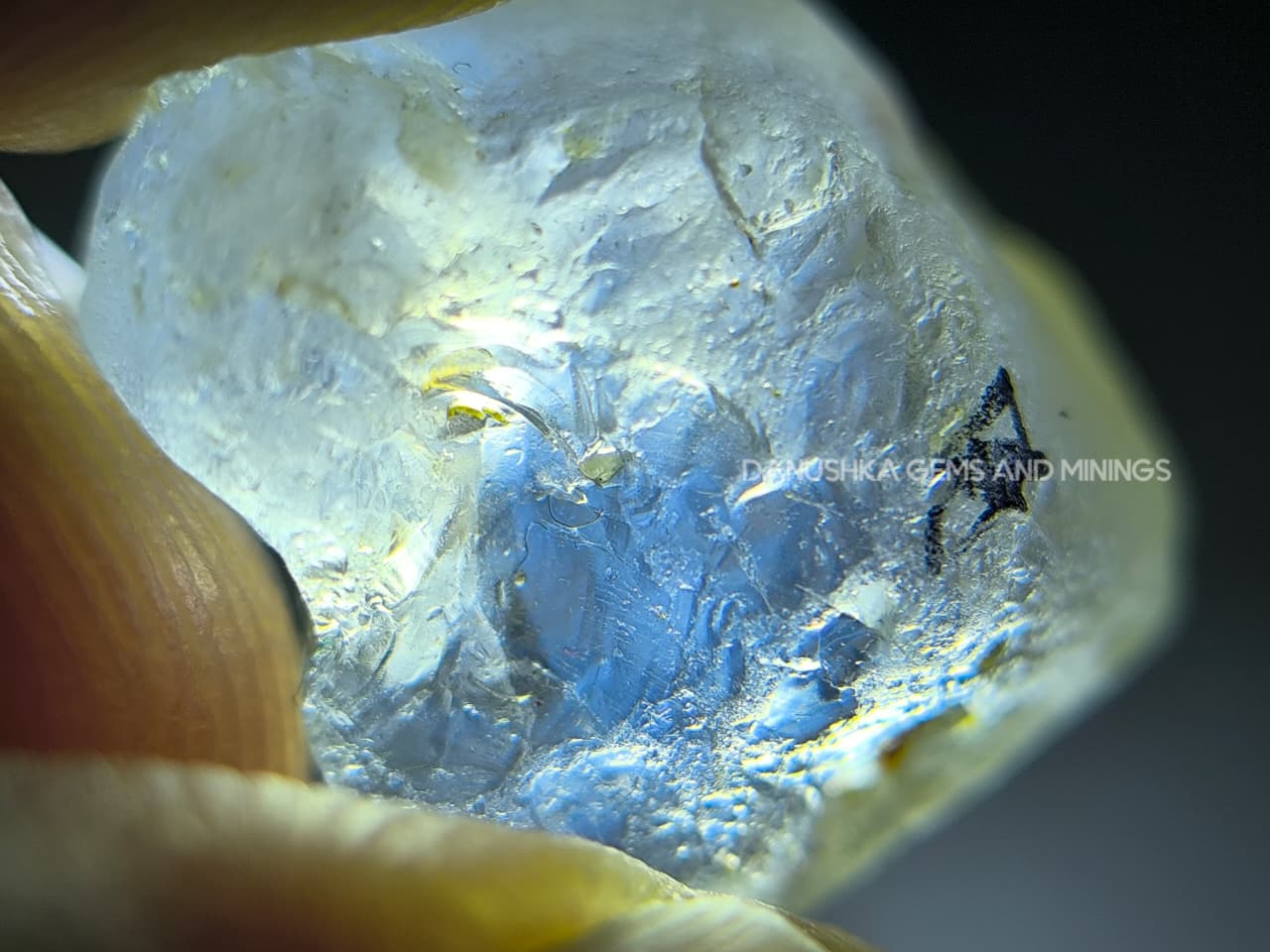
When examined with transmitted and moving light, variations in transparency and light movement through the rough can help an experienced evaluator understand where cleaner areas, silk concentration, structural features and possible color-forming zones occur.
The interest in this particular rough is its potential for professional treatment evaluation rather than an already-developed blue body color.
Internal & External Features
The rough retains natural surface characteristics together with internal cloudy and translucent areas typical of geuda-type sapphire material. The photographs allow the stone’s internal structure, fractures, surface irregularities and light-transmitting sections to be examined before any preforming or treatment.
These details matter because inclusions and fractures must be considered before heating. A stone with promising chemistry can still require careful preparation, and potentially vulnerable areas may need to be removed during preforming before high-temperature treatment is considered.
The appearance of geuda alone cannot provide a guaranteed prediction of the final heated color.
Cutting, Specimen, or Treatment Potential
This rough has been selected as facet-grade material with professional heat treatment for blue-color development as the main potential pathway.
Geuda sapphire treatment is highly dependent on the material itself. The goal with suitable Sri Lankan geuda is often to reduce the visual effect of silk or cloudiness while developing a stronger blue appearance through appropriate high-temperature treatment. The actual outcome can range considerably from one stone to another.
For this 13.30 ct piece, the first stage should be careful examination and orientation. A cutter or burner may decide to remove unnecessary external material or vulnerable fracture areas before treatment. The treatment environment, temperature, duration, internal titanium and iron distribution, silk condition and other microscopic characteristics can all influence the final result.
No specific finished color, transparency, weight recovery or value should be guaranteed before treatment.
Why Source Location Matters for Geuda Sapphire
For geuda sapphire, the source locality can provide additional practical information. Corundum formed in different geological environments can contain different concentrations and distributions of trace elements, mineral inclusions and structural defects. These differences may affect how visually similar rough responds during treatment.
Within Sri Lanka’s gemstone trade, experienced buyers and burners often build knowledge from repeated observation of material coming from particular mining areas.
For example, young geuda originating around Pelmadulla has a reputation among some experienced local traders and burners for producing material with encouraging strong-blue development potential. In comparison, some young geuda encountered from areas around Sankapala and Udawalawe may be regarded by individual traders as less consistently responsive for strong blue development.
These are practical sourcing observations rather than a rule applying to every stone from those locations. Geological deposits vary, and two pieces from the same mining district can still respond very differently.
From our own source-connected experience, Karapincha is considered a promising locality for young geuda material of this character. That source information increases our interest in the rough, but we still evaluate the individual stone rather than assuming the treatment result from locality alone.
Source & Ethical Position
Danushka Gems & Minings works closely with gemstone-producing areas throughout Sri Lanka, sourcing rough through miners, mine owners, local buyers and source dealers.
For material such as geuda sapphire, we believe that retaining source information is valuable. The mining locality, original appearance, treatment condition and subsequent cutting or heating history should remain connected to the stone wherever possible.
Our approach is to present the rough in its current natural condition and explain its realistic possibilities without promising a treatment result that has not yet occurred.
If professional heating, custom cutting or laboratory certification is arranged later, those steps should become part of the stone’s documented journey from source to finished gemstone.
Frequently Asked Questions
Young geuda is a Sri Lankan trade description used for sapphire rough showing pale, silky, cloudy or translucent characteristics that may have potential for improvement through professional heat treatment.
No. The stone is currently natural and unheated. The interest is its potential for professional heat-treatment evaluation.
It is considered promising material based on its present character and source experience, but a strong blue result cannot be guaranteed before treatment.
Different geological environments can produce variations in trace-element chemistry, inclusions and internal structure. Experienced buyers and burners may therefore consider both the individual rough and its source locality when evaluating treatment potential.
It is being presented as facet-grade rough. Final orientation, treatment sequence, cutting design and finished recovery should be decided only after detailed examination by an experienced cutter and heat-treatment specialist.