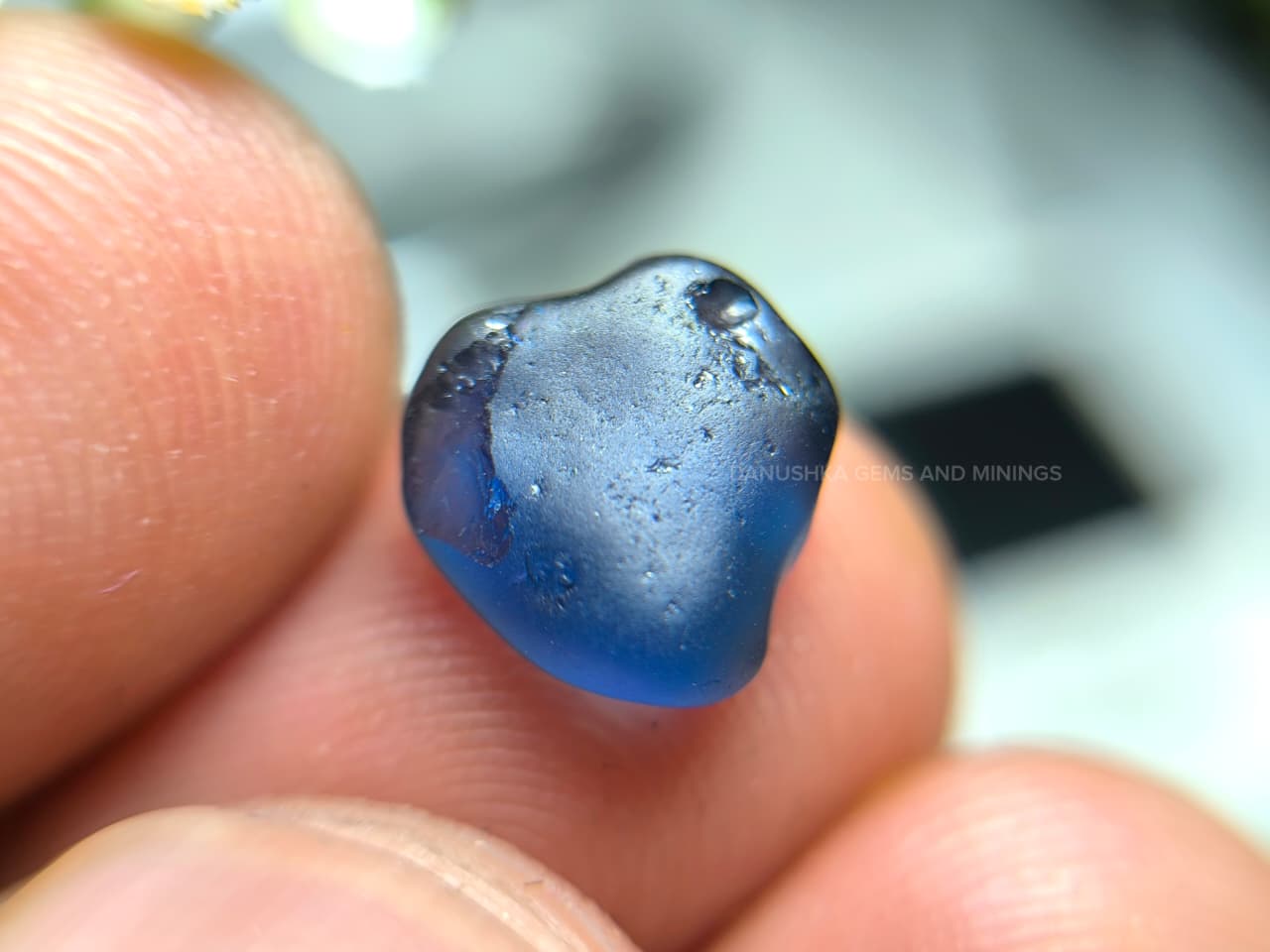
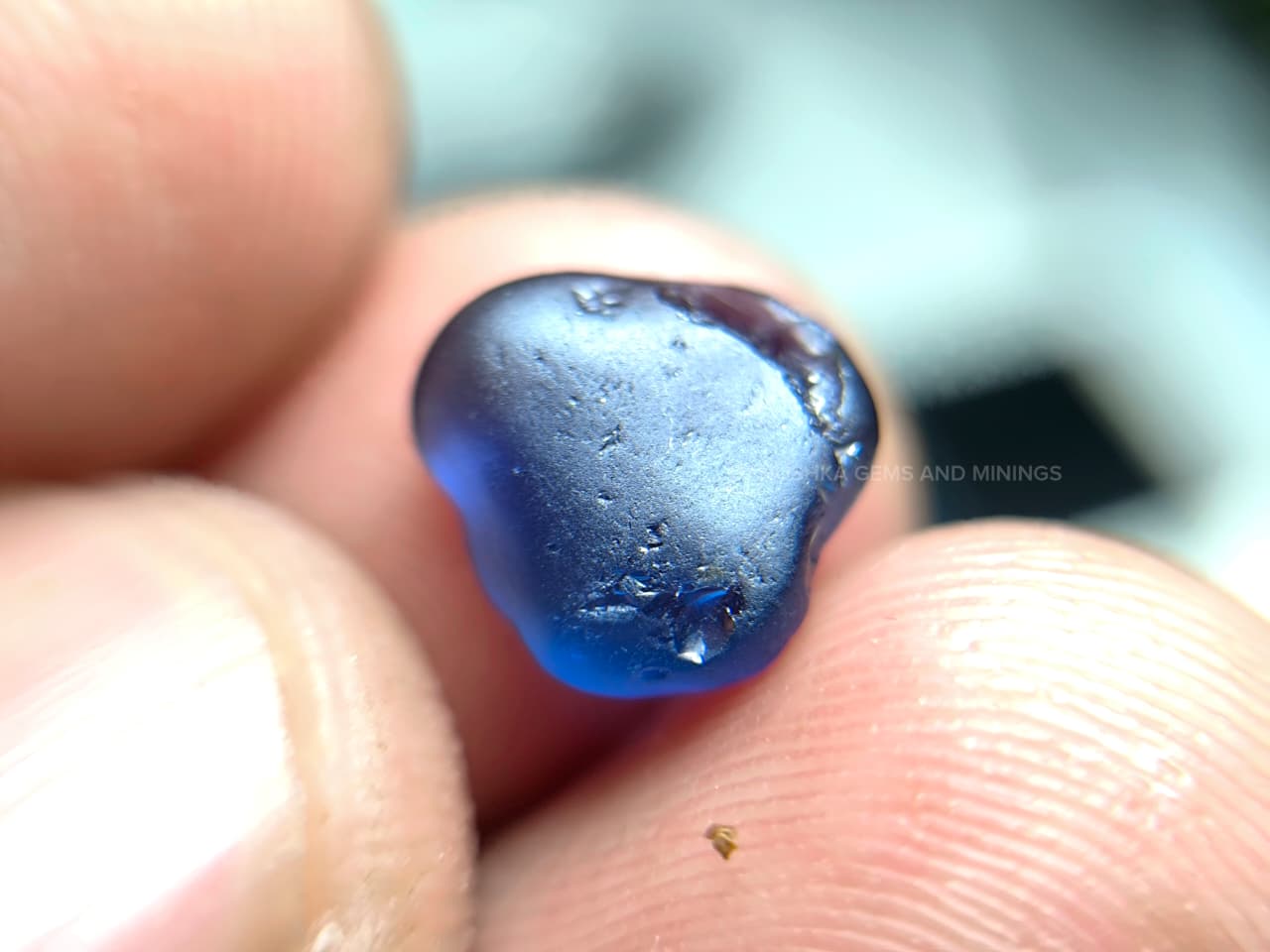
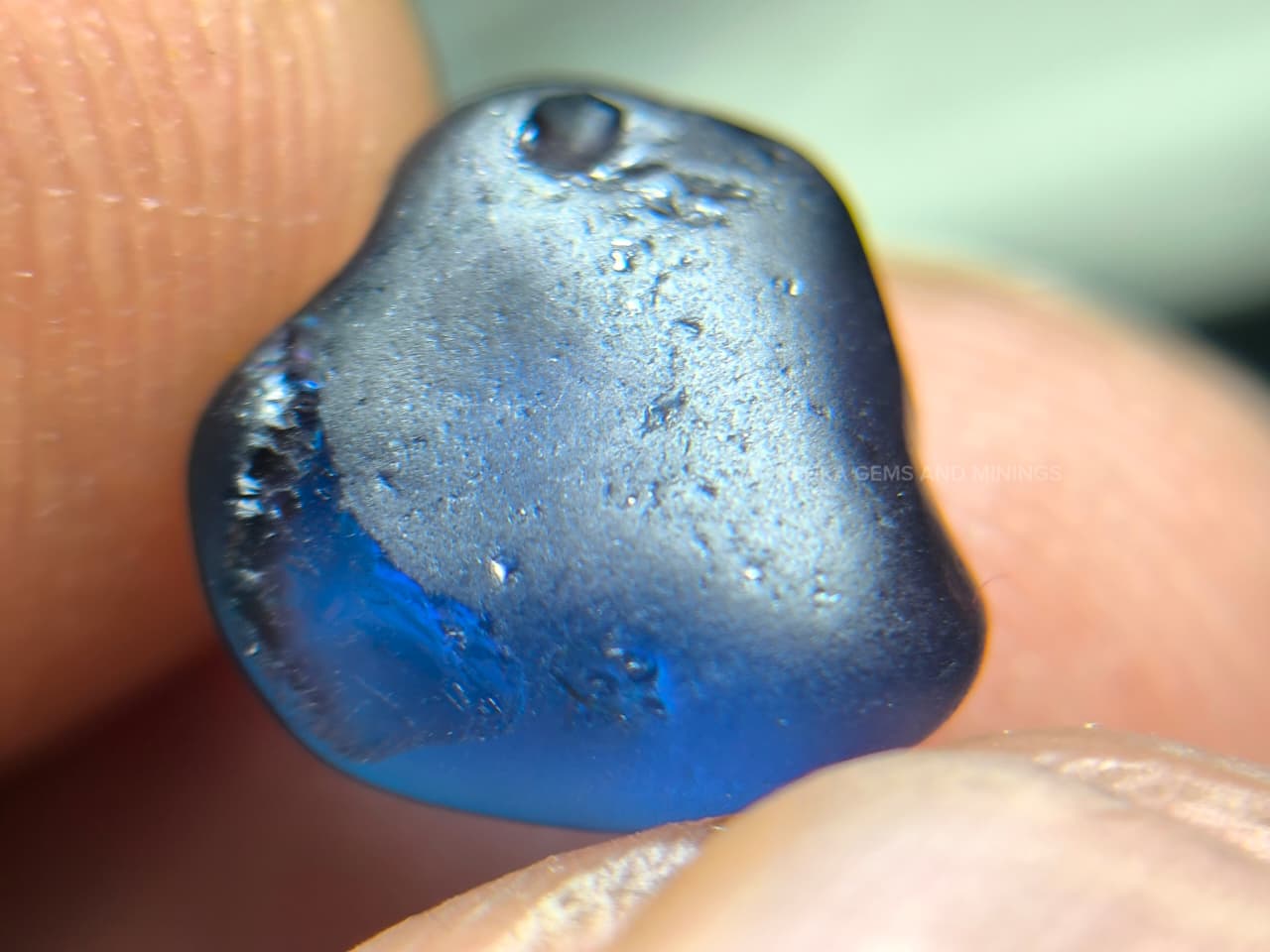
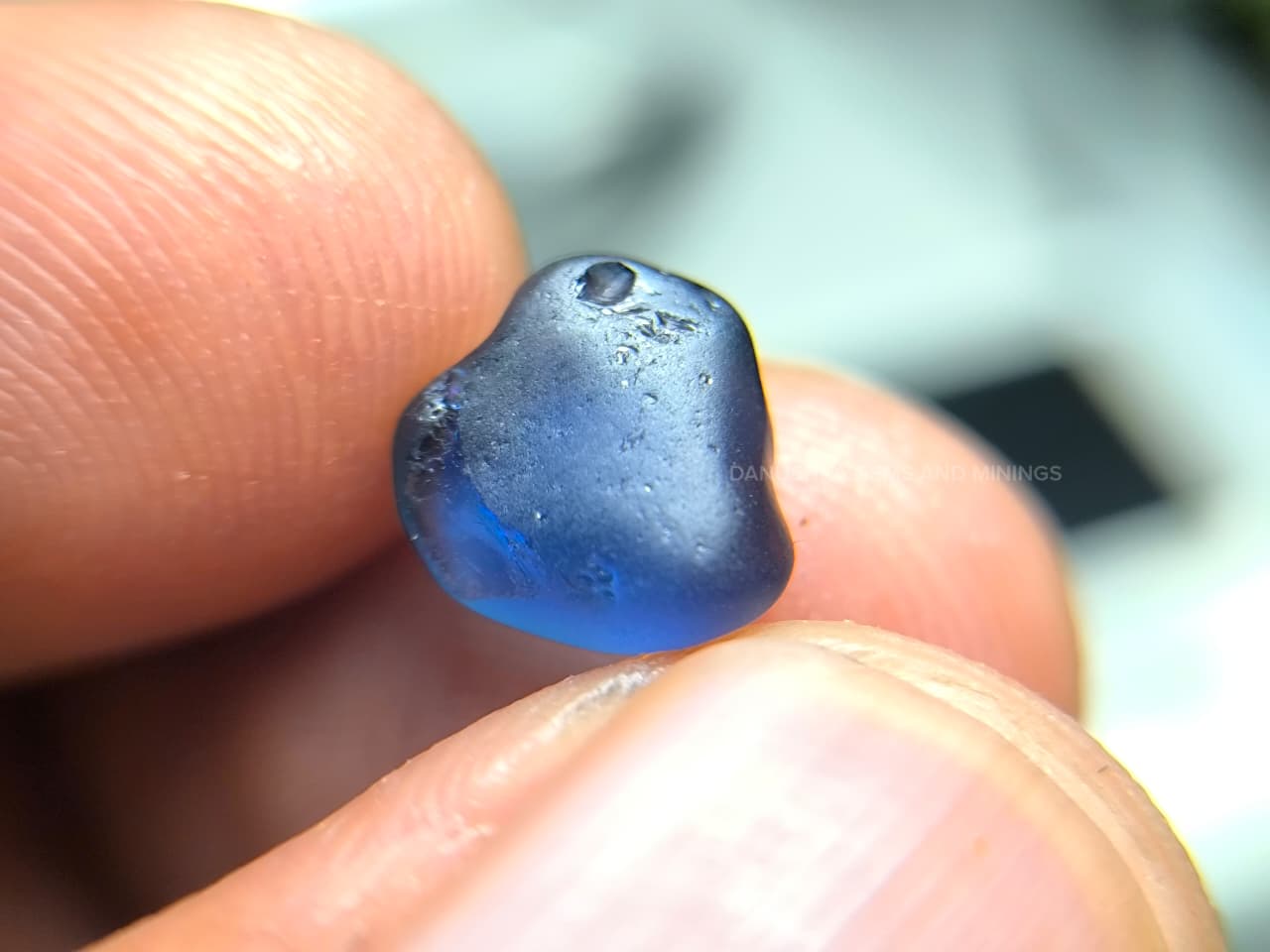
3.22 ct Facet Grade Ceylon Blue Sapphire Rough – Rambuka Origin Alluvial Sapphire
Stone Identity & Quality
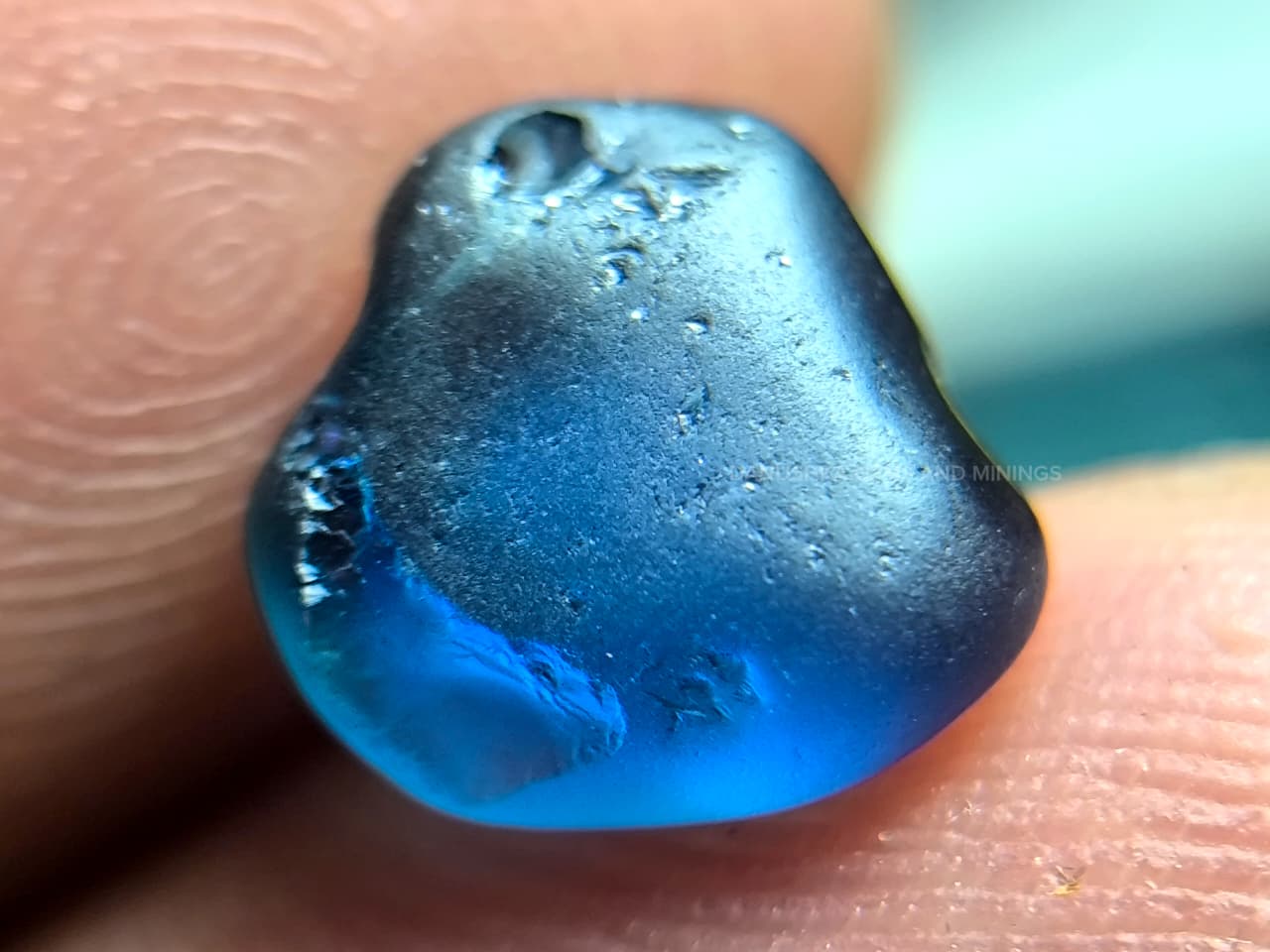
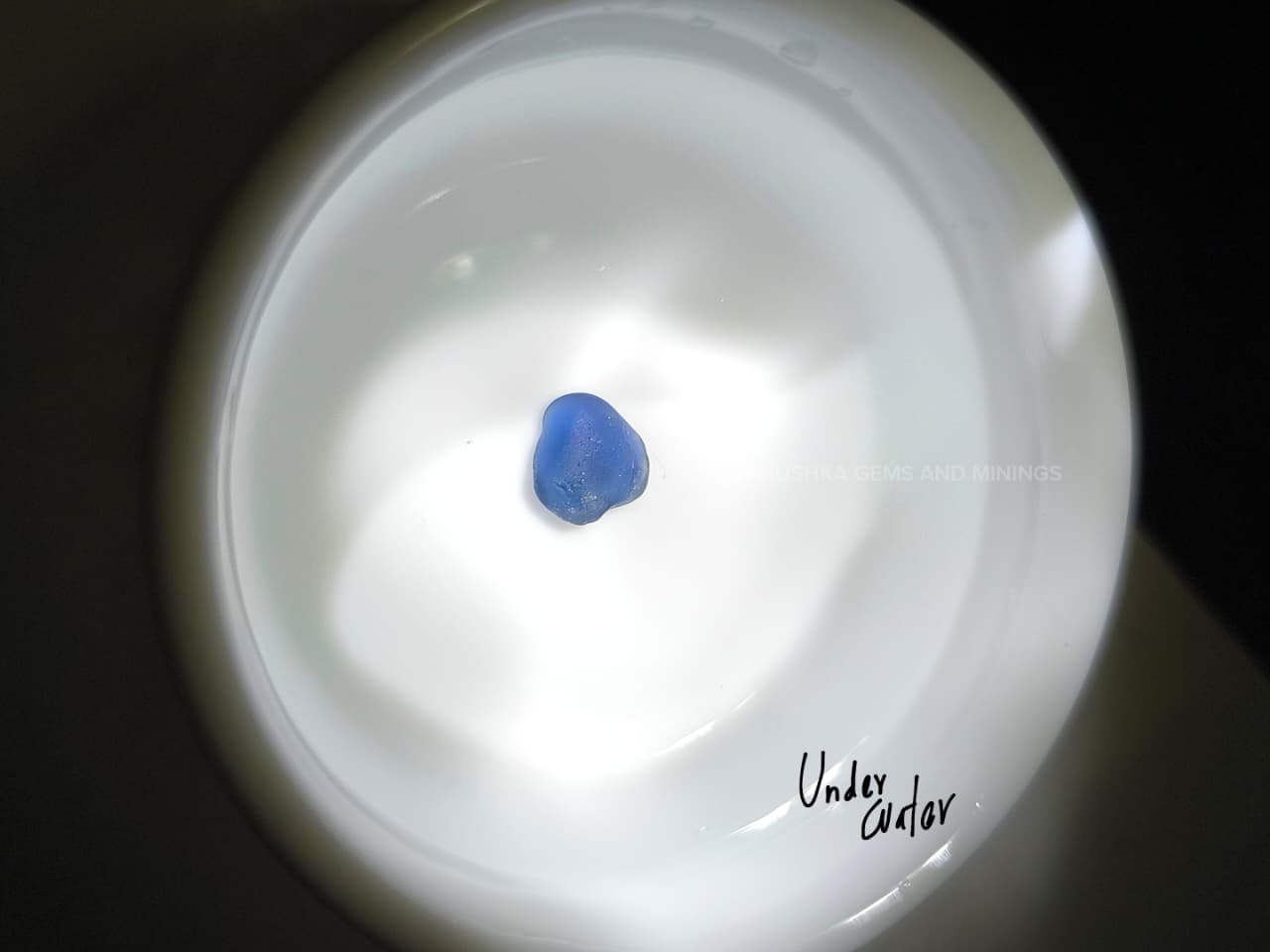
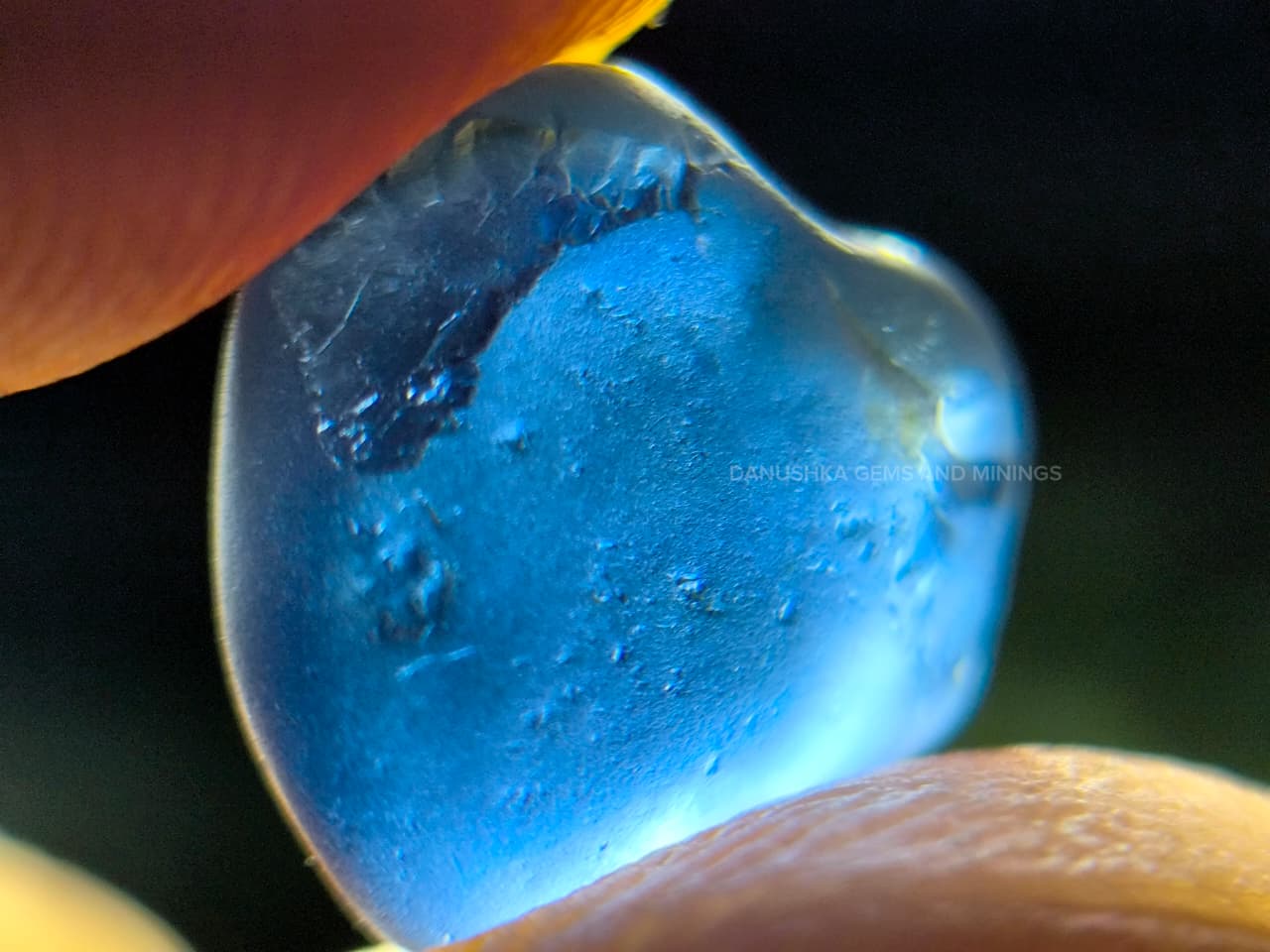
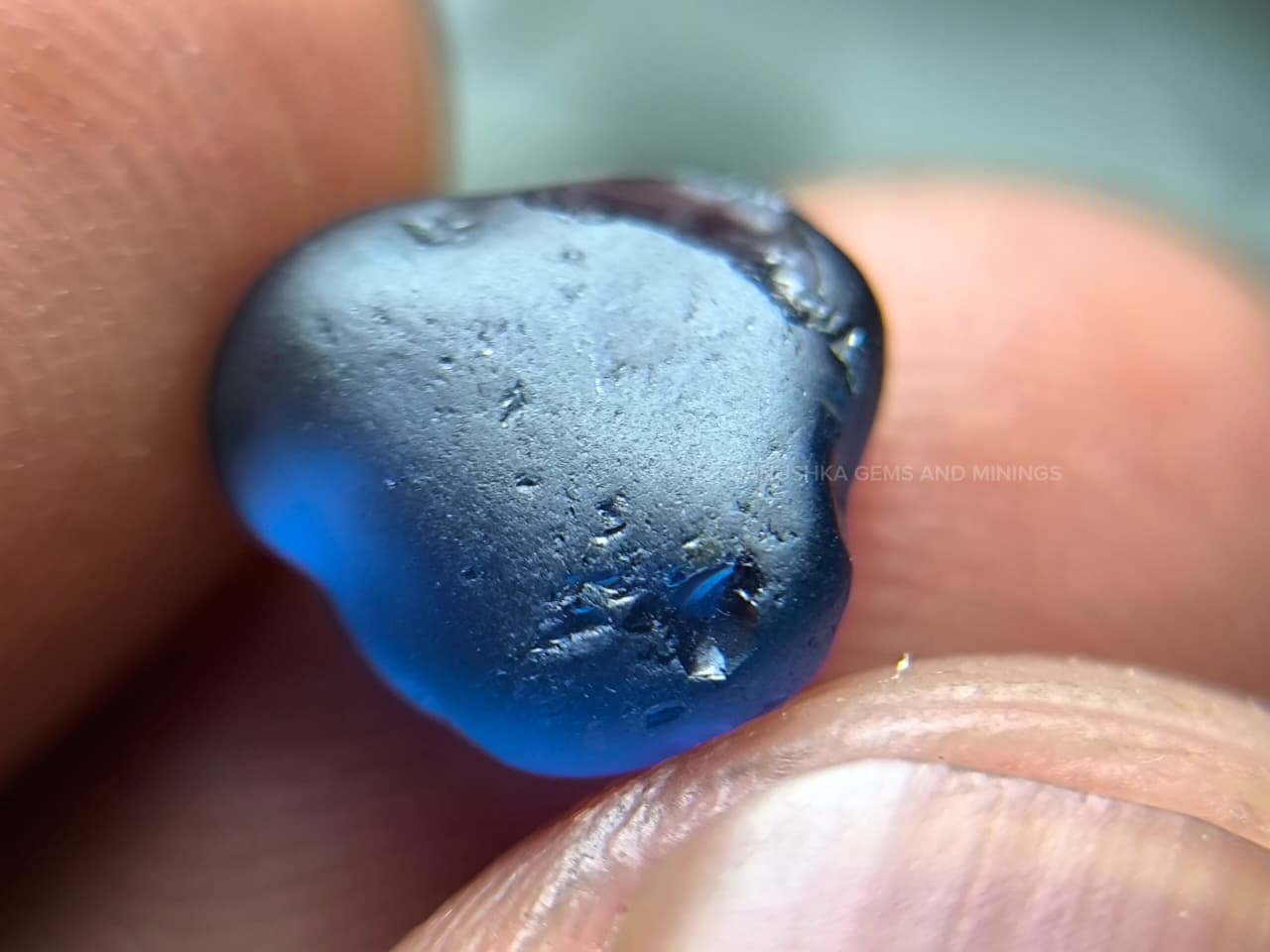
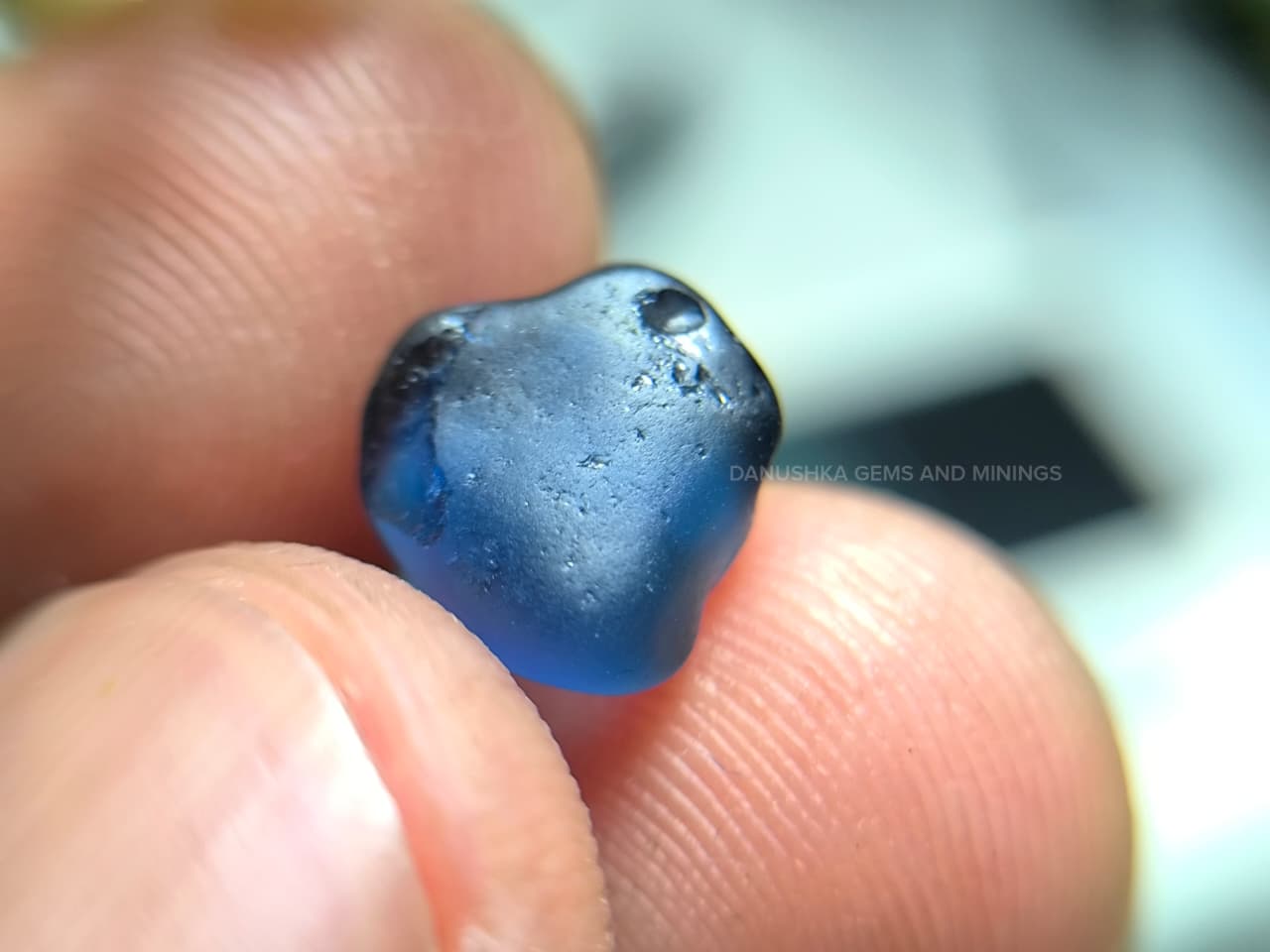
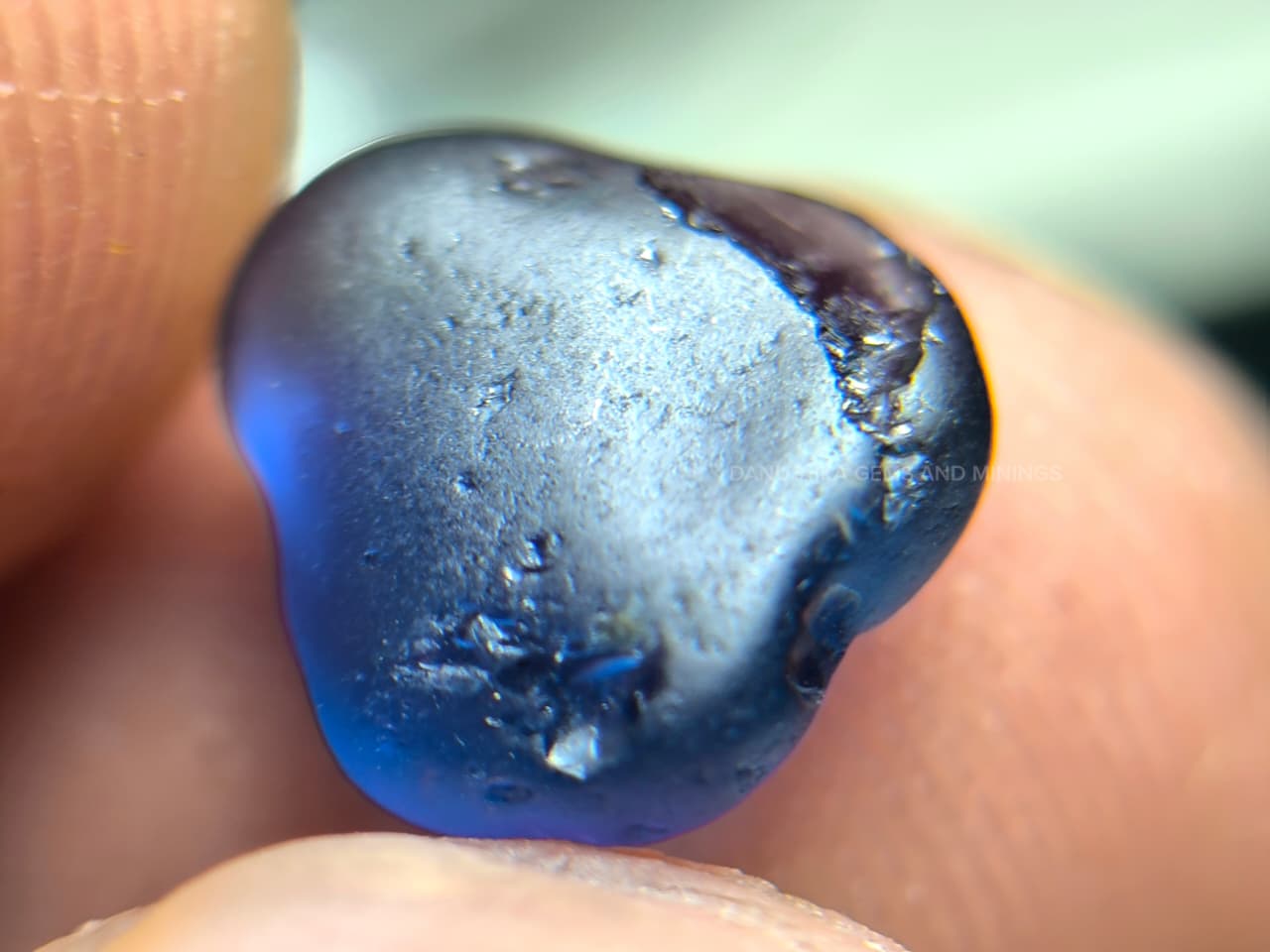
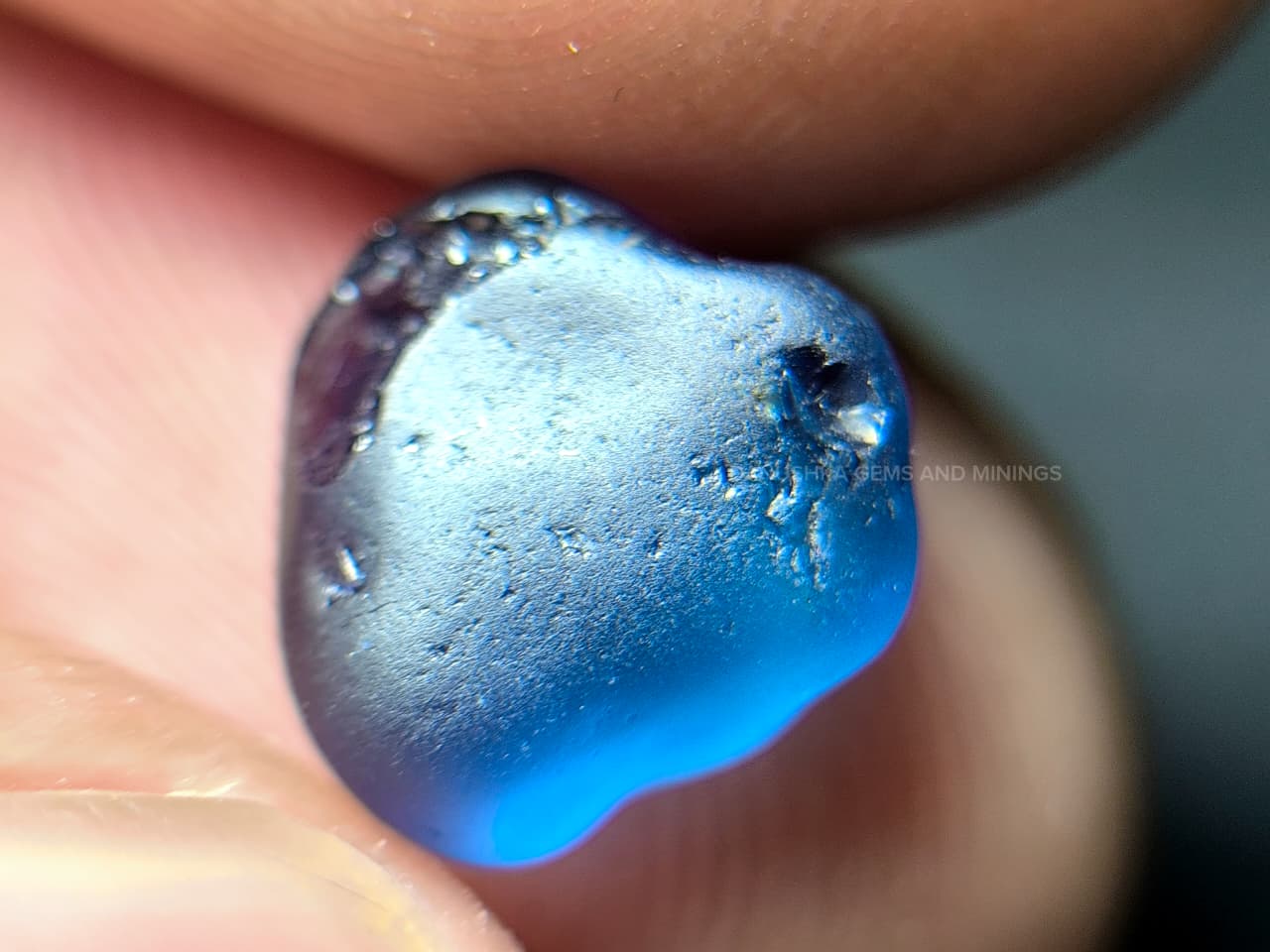
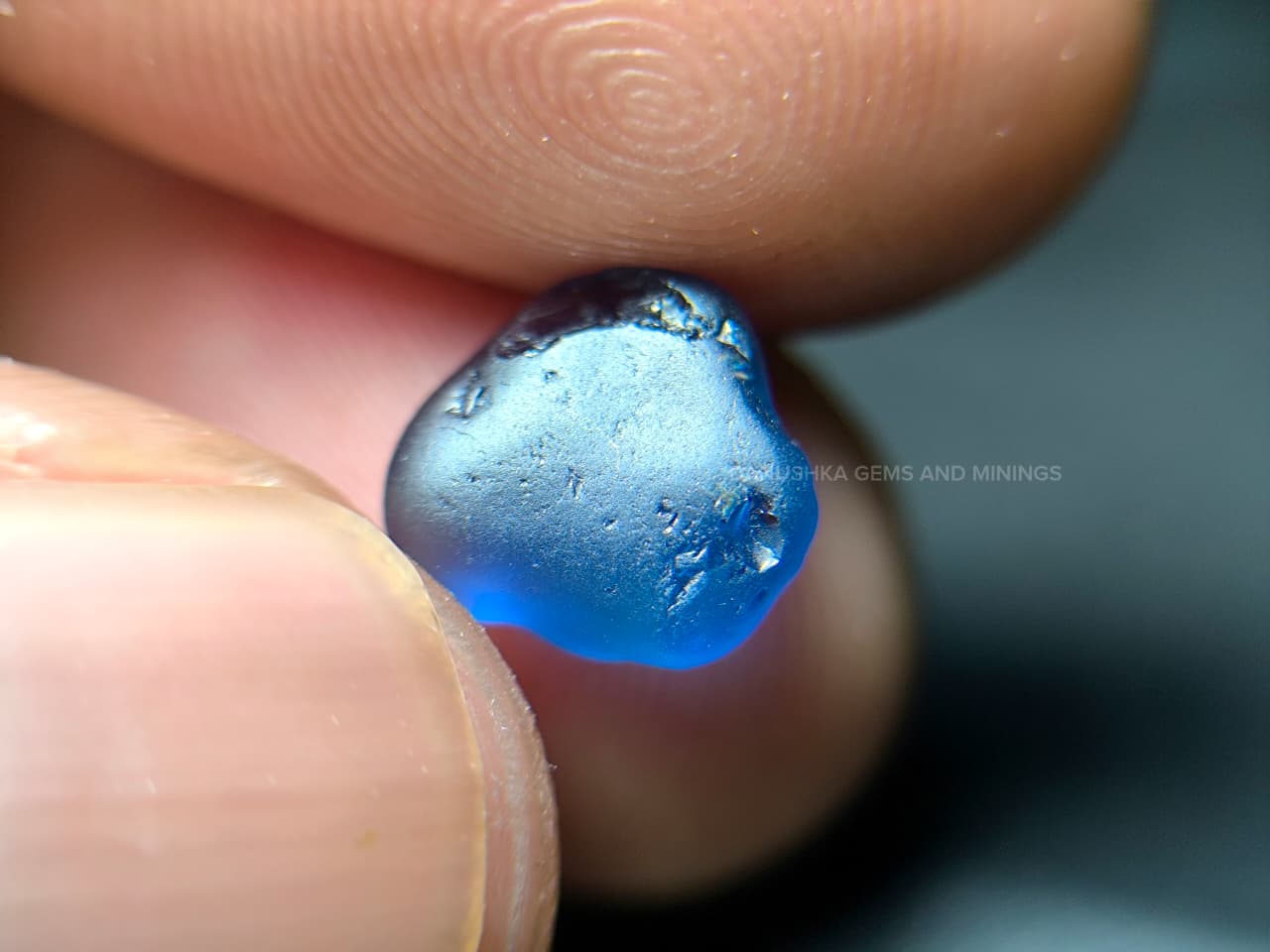
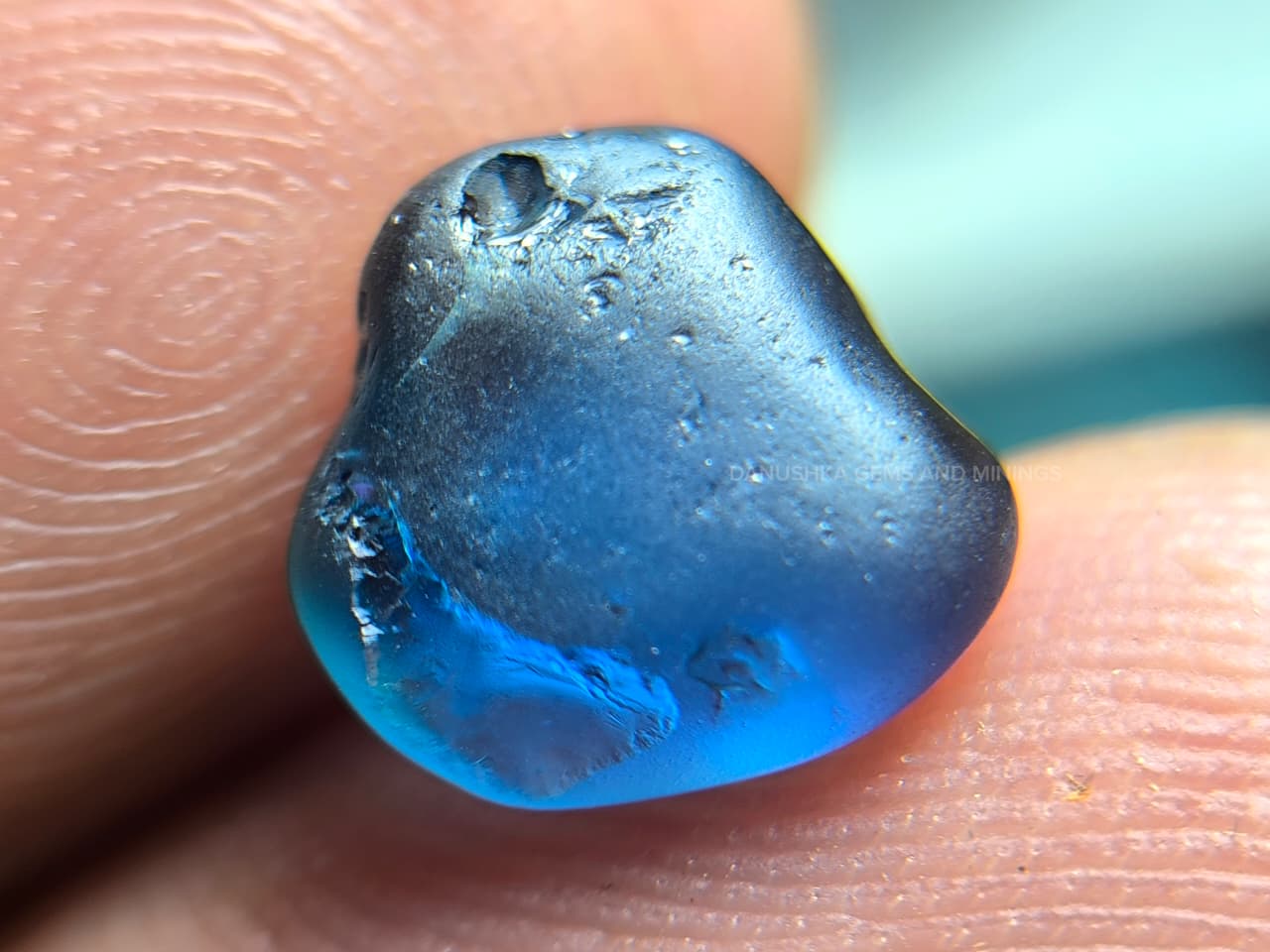
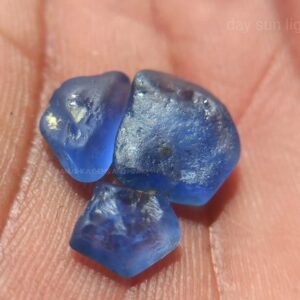
This natural sapphire rough weighs 3.22 carats and measures approximately 9 × 8.50 × 3.50 mm. The stone originates from Rambuka village around mining in Sri Lanka and belongs to the facet-grade category suitable for lapidary cutting. Its relatively clean internal structure and natural alluvial form make it an interesting material for gemstone cutters.
Color & Visual Characteristics
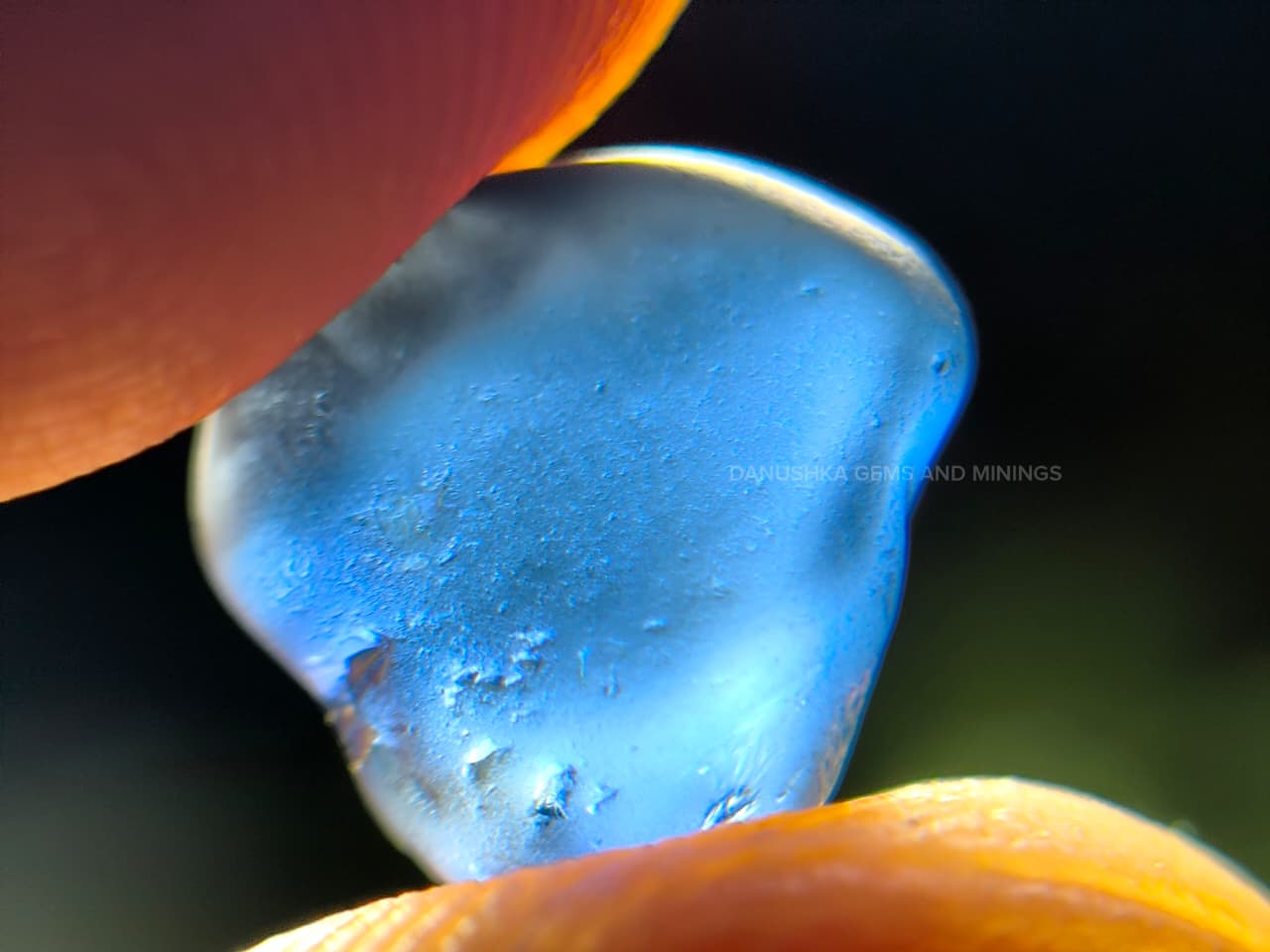
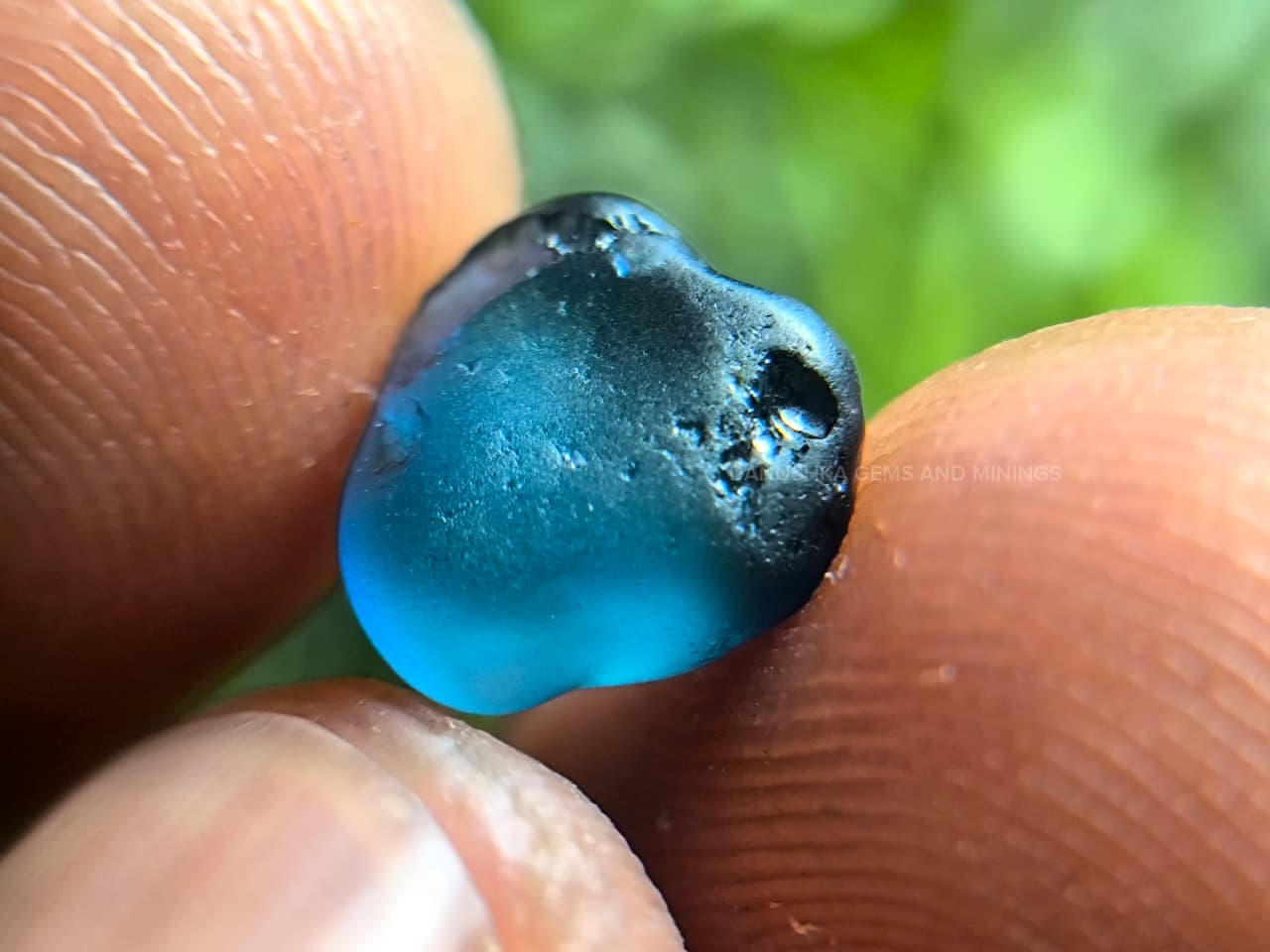
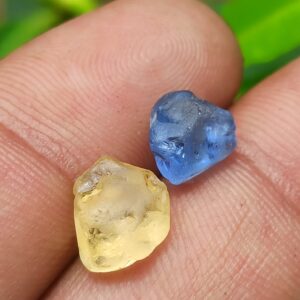
The sapphire shows a blue body color with a slightly uncommon pleochroic behavior for the Rambuka region. When viewed from different angles, a faint greenish tone can appear due to natural pleochroism within the corundum crystal structure. This characteristic gives the stone a distinctive color personality compared with more typical Rambuka sapphires.
Internal & External Features
The surface displays natural water-worn alluvial textures formed during its geological journey through Sri Lanka’s gem-bearing river gravels. Internally the stone appears relatively clean for rough sapphire material, with only minor natural features visible under magnification.
Cutting & Treatment Potential
With its wide face and relatively shallow depth, the stone may be best suited for creative or custom faceting approaches. While traditional deep pavilion cuts may be limited, skilled lapidaries can explore design options that emphasize face appearance and color presentation. Proper orientation will be important to manage pleochroism and achieve balanced color.
Source & Ethical Position
This sapphire was sourced from Rambuka village around mining in Sri Lanka, a region that has long contributed to the island’s gem heritage. Sri Lankan sapphires are known worldwide for their natural origin, geological history, and the diversity of color characteristics found within the island’s gem deposits.
FAQ
1. Is this sapphire natural?
Yes, it is a natural Ceylon sapphire rough sourced from Sri Lanka.
2. Has the stone been heat treated?
No. The stone is currently unheated.
3. What makes this sapphire unusual for Rambuka?
It shows a slight greenish pleochroic tone, which is less common for Rambuka-origin sapphires.
4. Can this stone be faceted?
Yes, it is considered facet grade and suitable for custom cutting depending on orientation and design choice.
5. Why is the depth relatively low?
The stone formed naturally in an alluvial environment, creating a wider face with a shallower depth that may encourage creative cutting approaches.