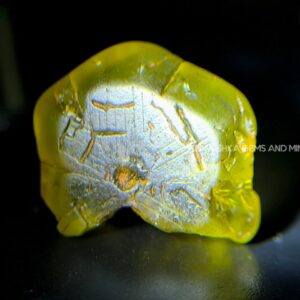
chrysoberyl growth marks
Chrysoberyl Growth Marks – Natural Crystal Features
Discover chrysoberyl growth marks, the natural surface features that can provide insight into how a chrysoberyl crystal formed. These features may interest mineral collectors, gemstone enthusiasts and buyers examining natural crystal specimens.
Understanding Chrysoberyl Crystal Growth Marks
Chrysoberyl crystals may display surface lines, striations, growth steps and variations in crystal faces. These features can develop as the crystal grows under changing geological conditions. Their appearance varies according to the crystal’s orientation, formation history and subsequent weathering or abrasion.
Natural growth marks can contribute to the character of a specimen, but they should not be used alone to confirm gemstone identity, geographical origin or treatment status.
Features to Examine on Chrysoberyl Crystals
- Surface striations: Fine lines or grooves on some crystal faces.
- Growth steps: Small, terrace-like features associated with crystal development.
- Crystal faces: Flat or naturally formed surfaces that help reveal the specimen’s shape.
- Weathering and abrasion: Surface changes that may occur after the crystal forms.
- Inclusions and fractures: Internal characteristics that can provide additional information during gemological examination.
Natural Chrysoberyl Specimens from Sri Lanka
Sri Lankan chrysoberyl specimens may appeal to mineral collectors and gemstone enthusiasts interested in natural crystal formations. Each specimen should be examined individually, as surface features can vary considerably and may also be affected by handling or damage.
Enquire About Chrysoberyl Crystal Specimens
Looking for natural chrysoberyl crystals for your collection or gemstone studies? Contact us for specimen photographs, dimensions, weight, identification information and current availability.
Showing the single result