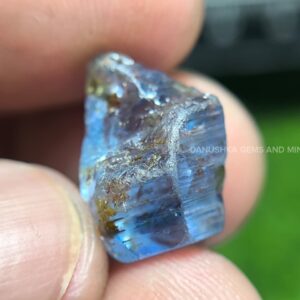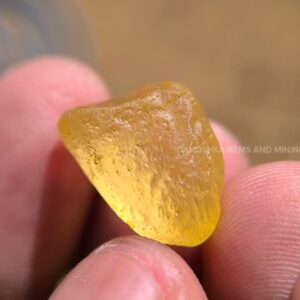
| Weight | 13.19 ct |
|---|---|
| Dimensions | 13.3 × 13 × 7.7 mm |
| Color | yellow |
| Cut / Form | Alluvial Rough |
| Treatment | unheated |
| Variety | Yellow Sapphire |
| Species | Corundum |
| Origin | Pelmadulla village around mining in Sri Lanka, Sabaragamuwa Province |
| Country | Sri Lanka |
| Quality Grade | Facet Grade |
| Product Type | Rough |
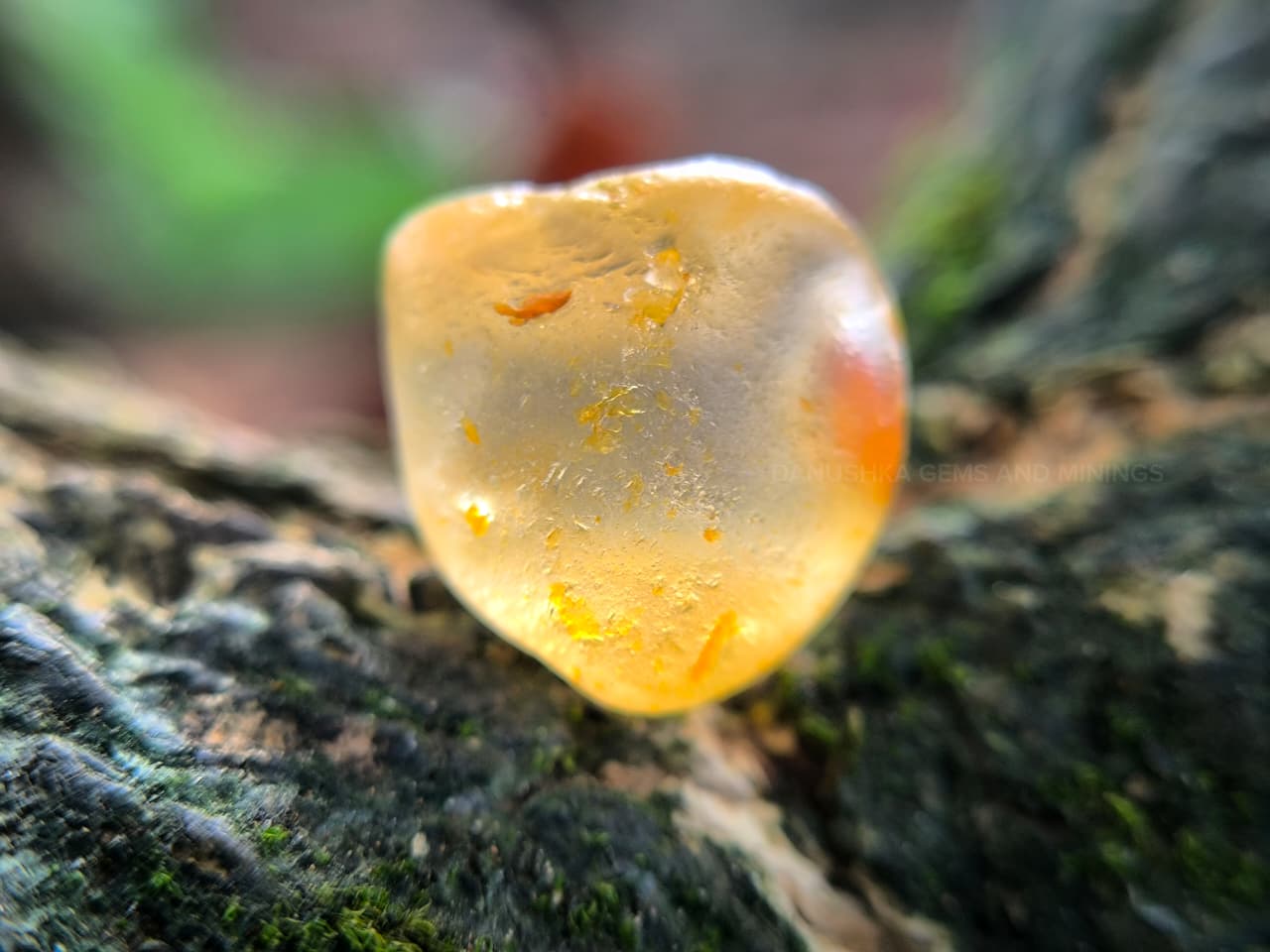
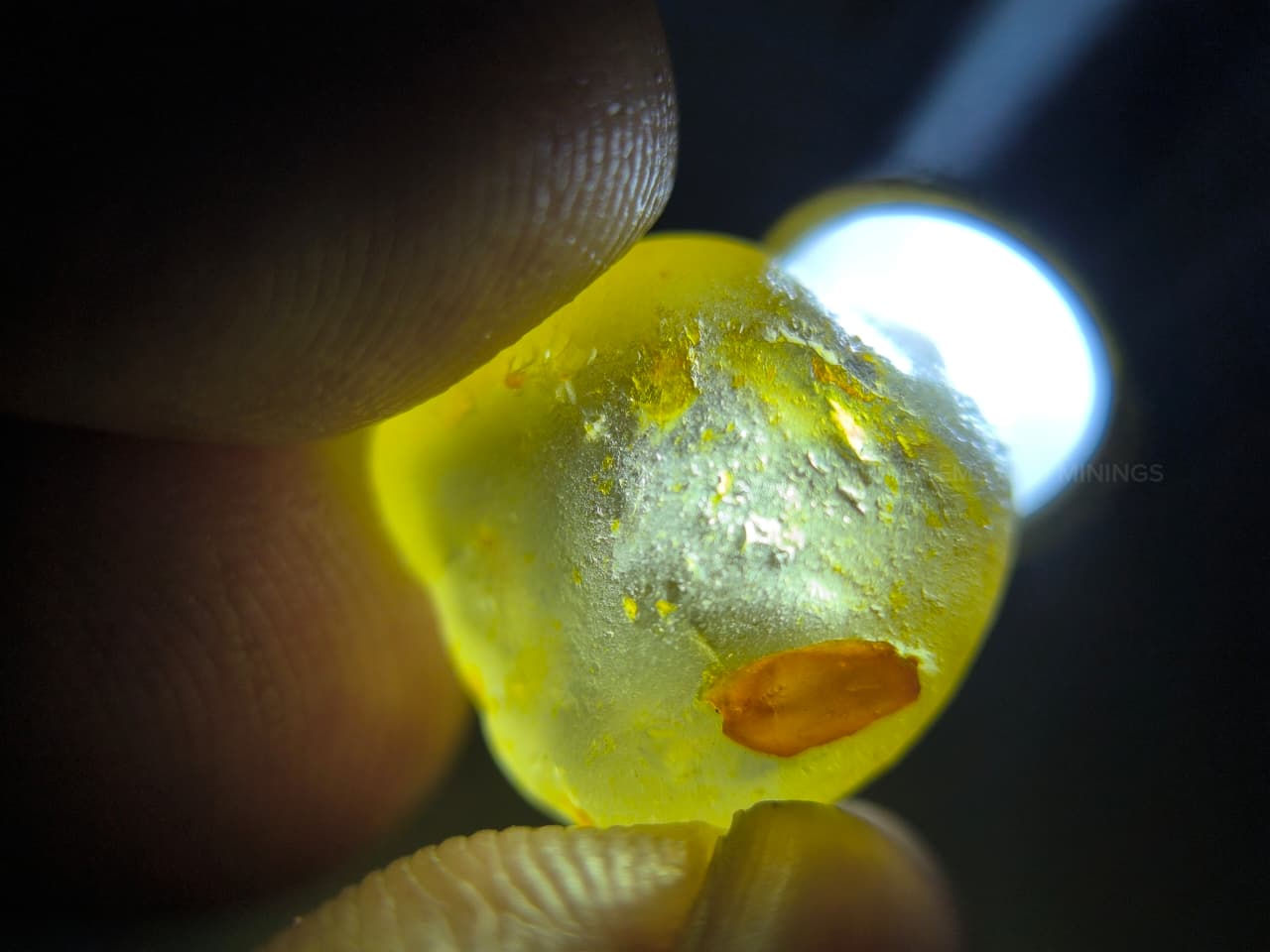
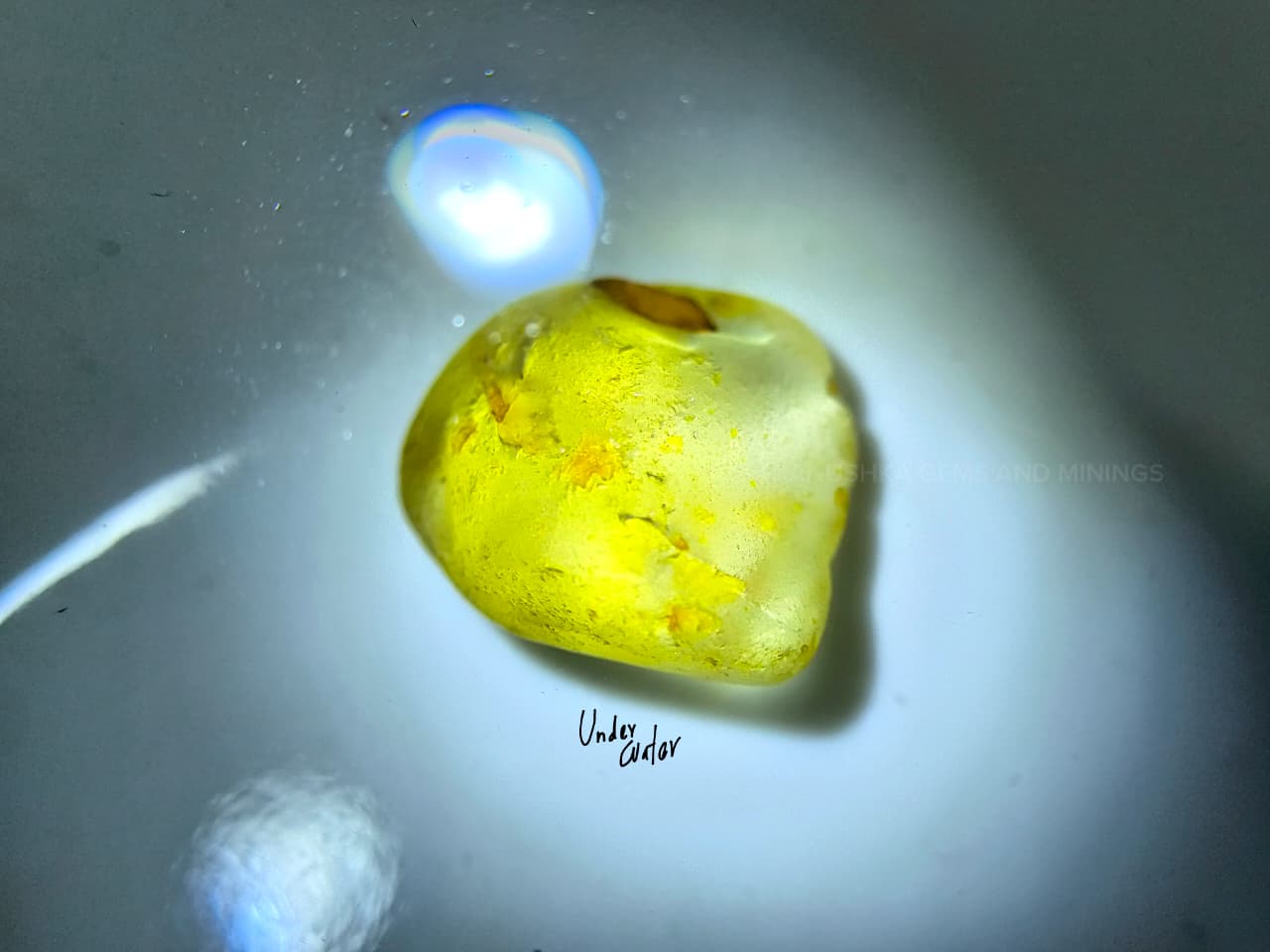
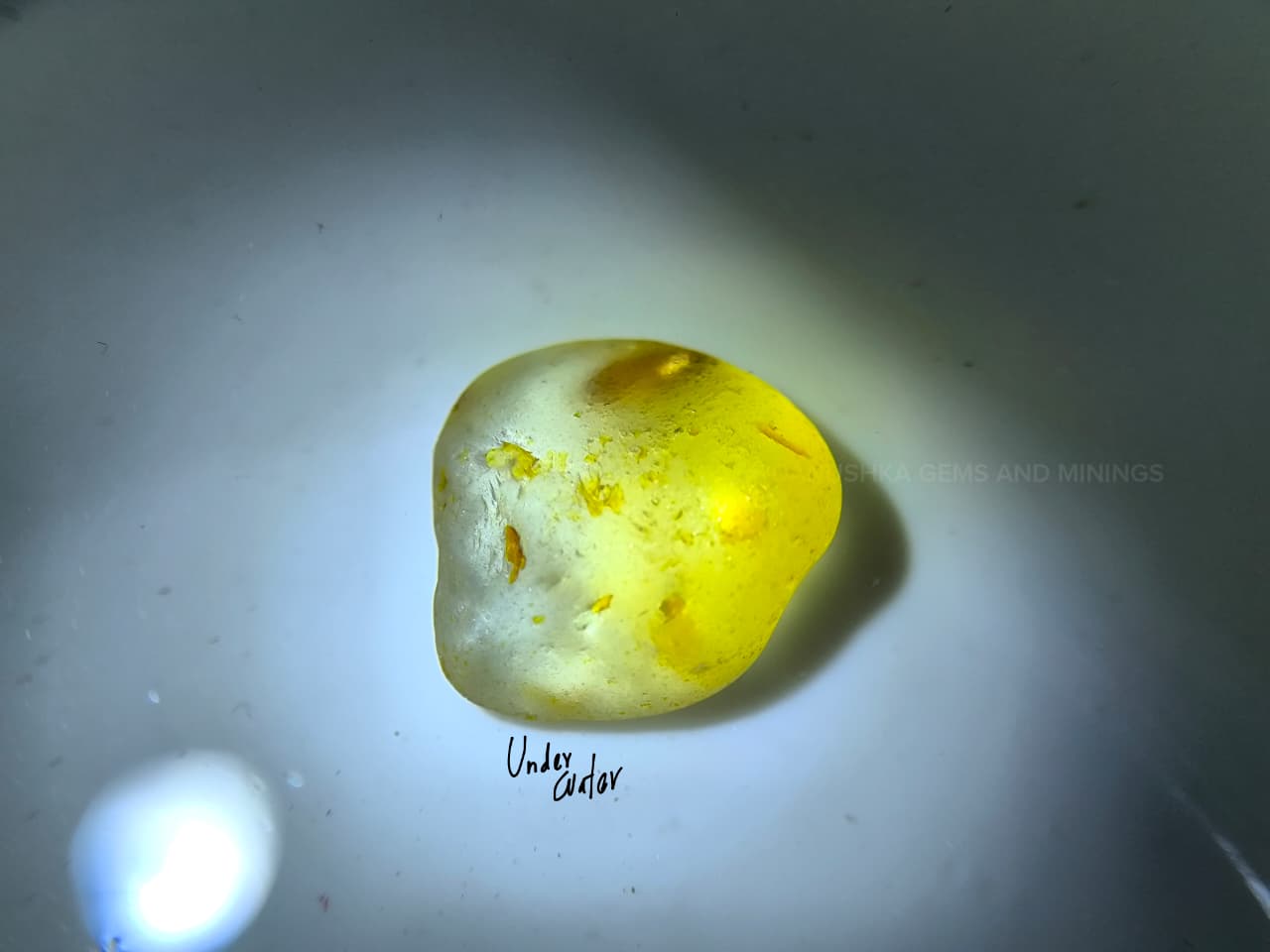
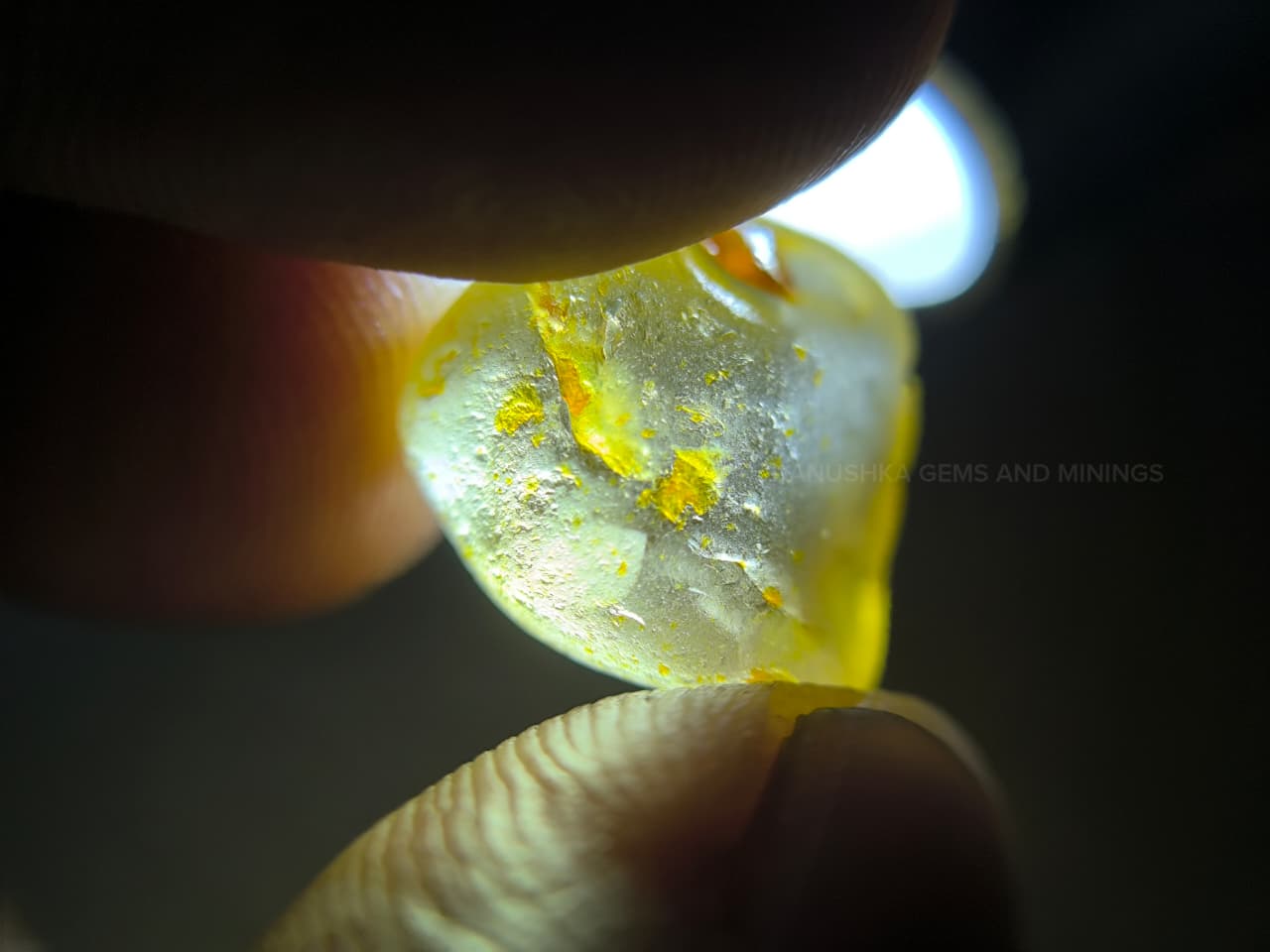
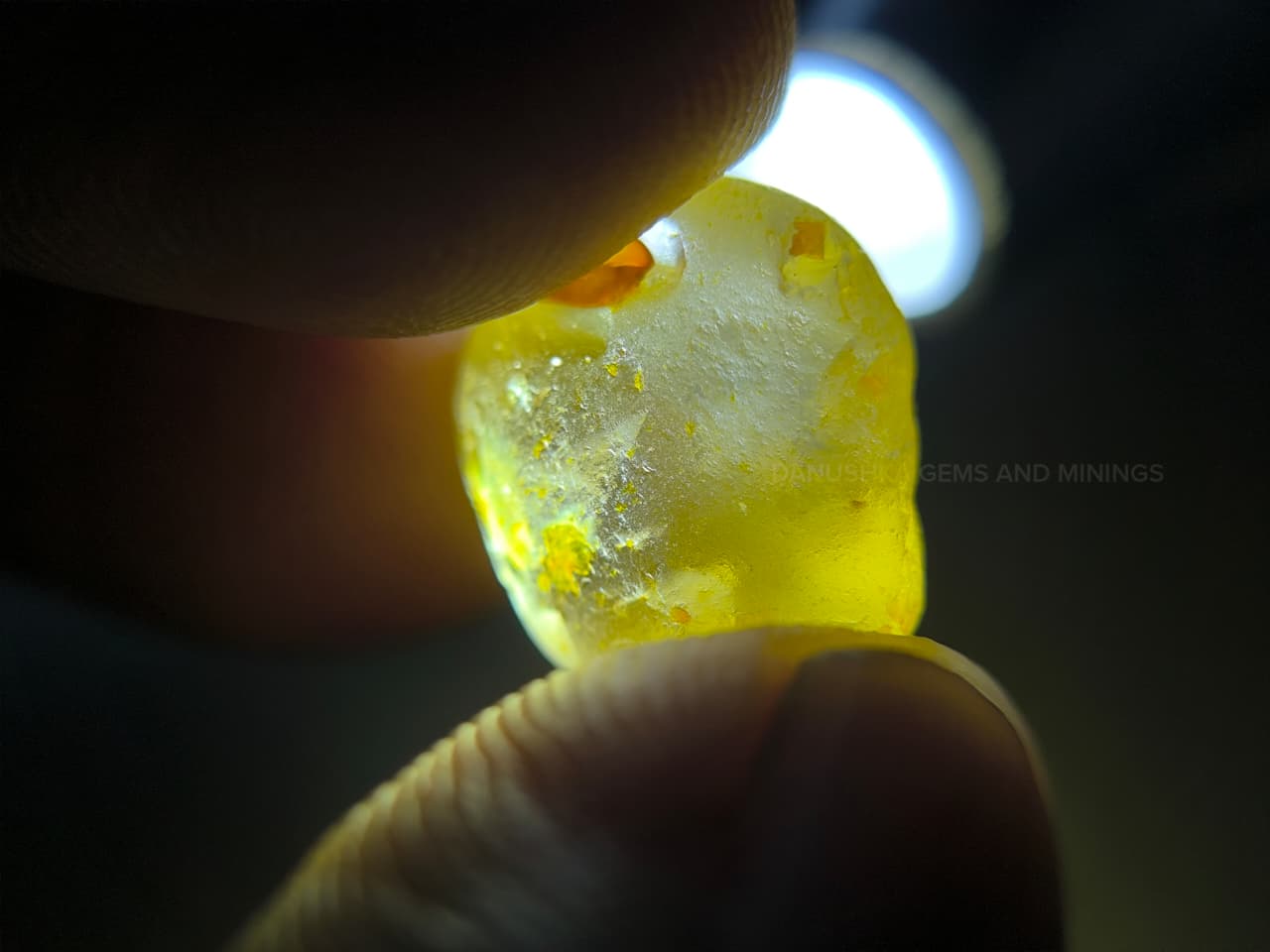
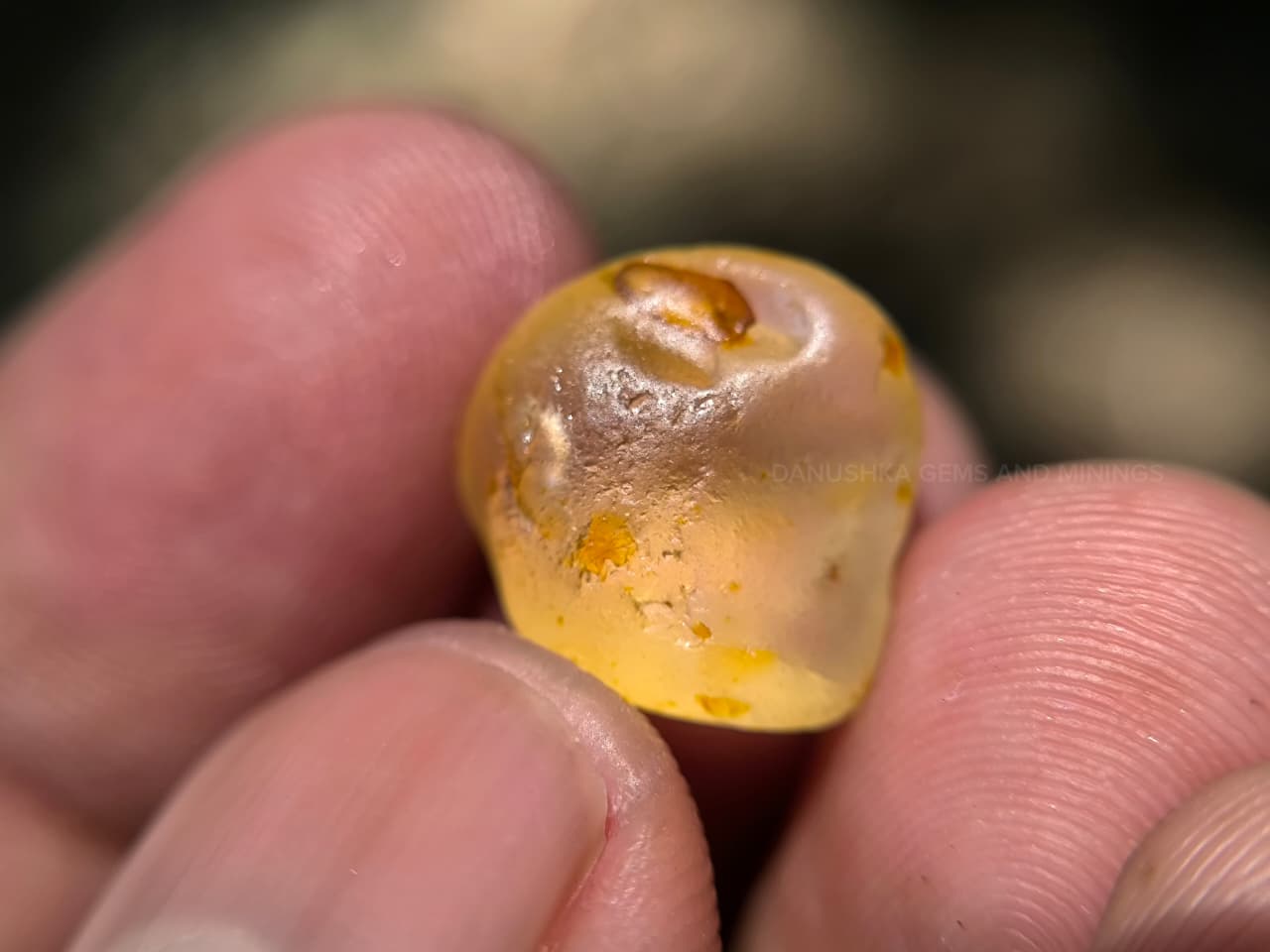
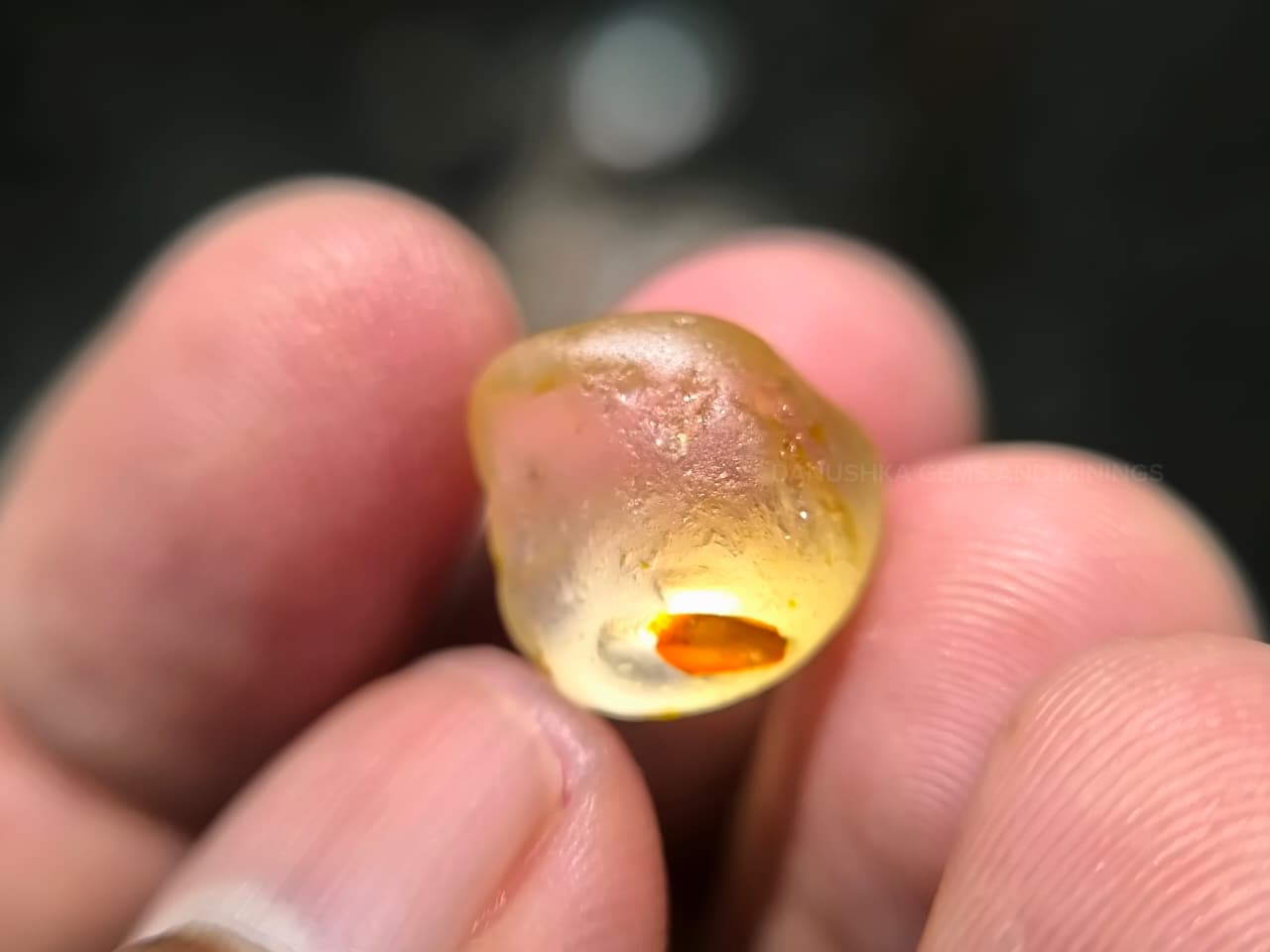
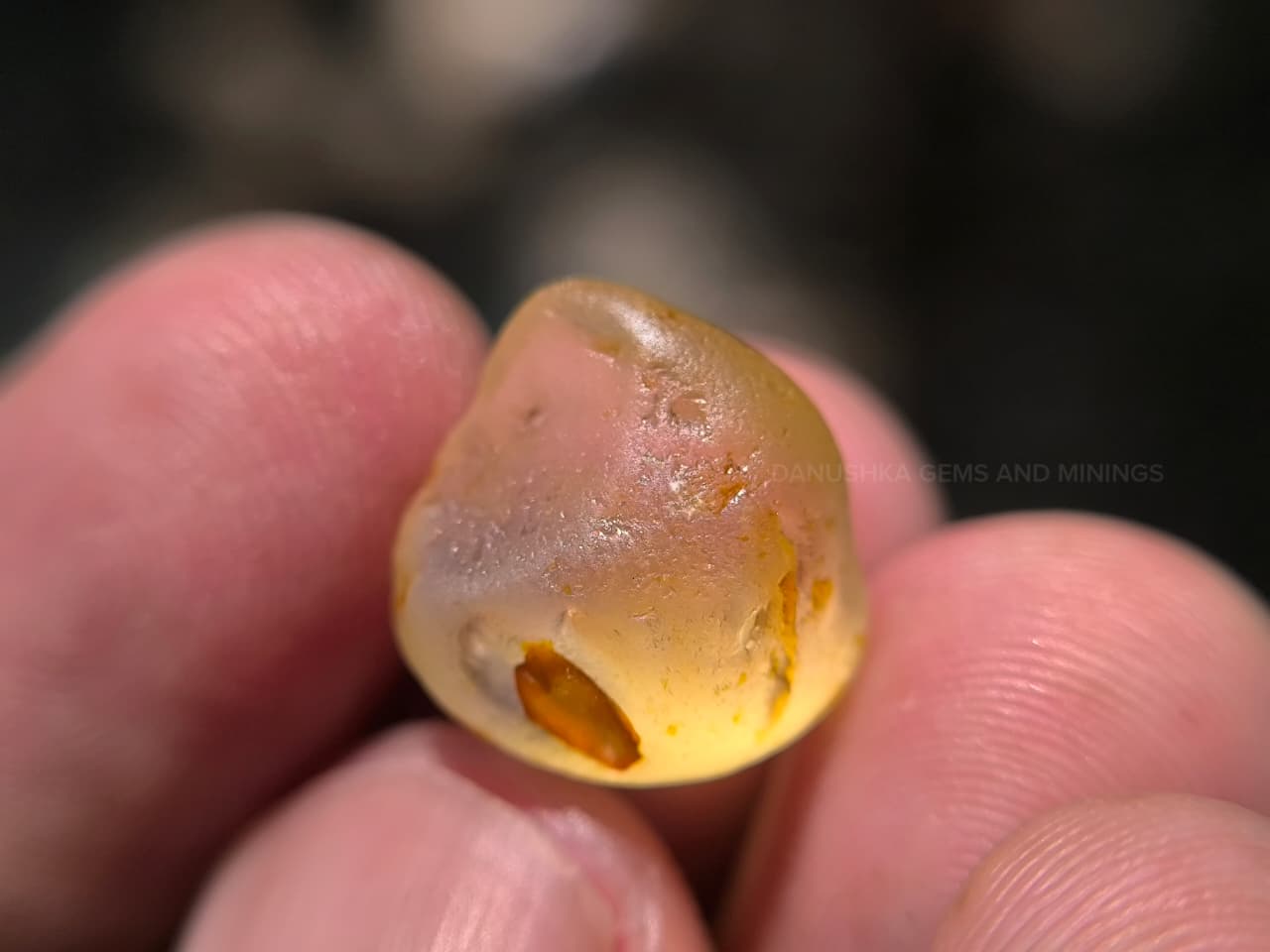
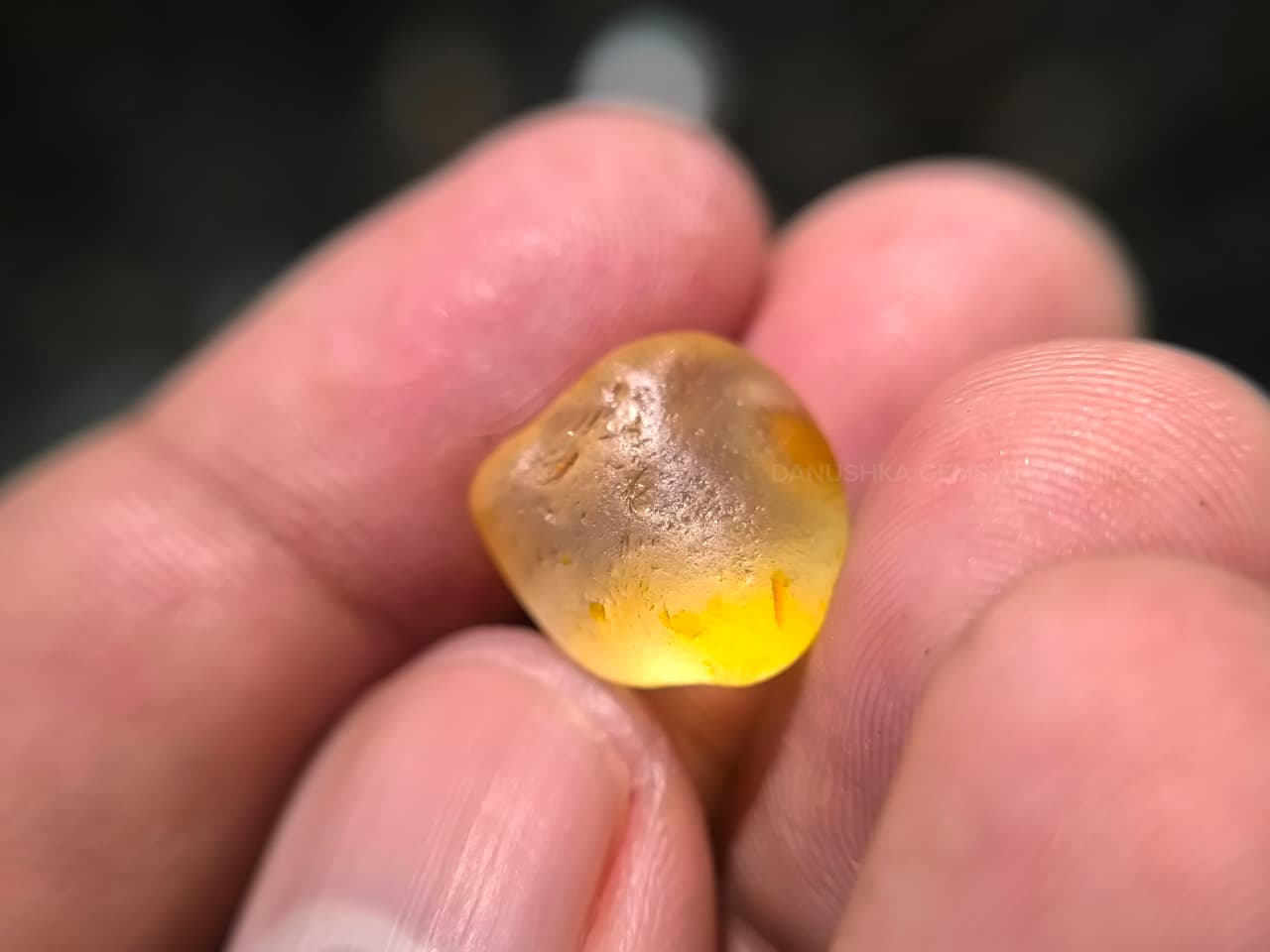
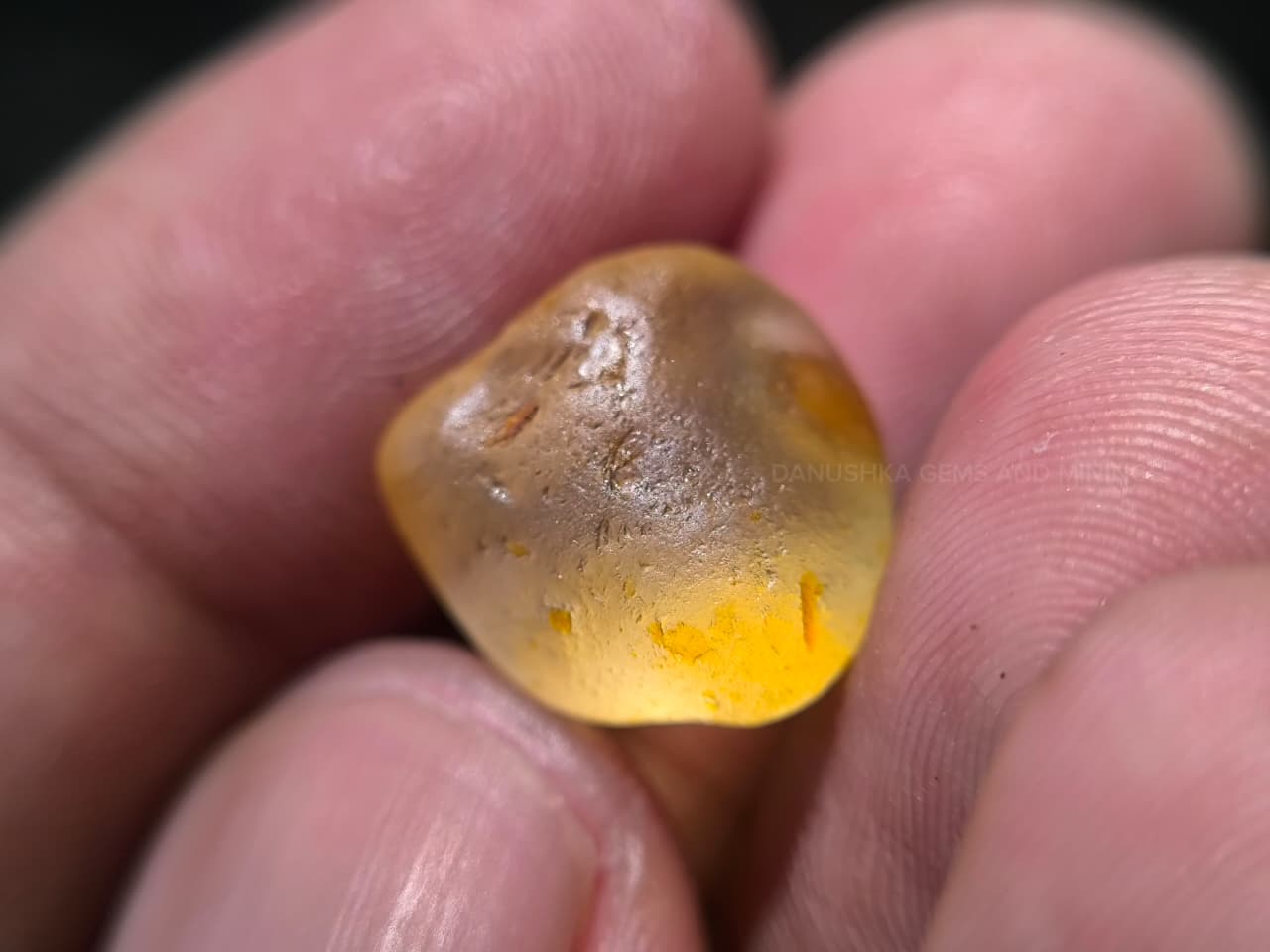
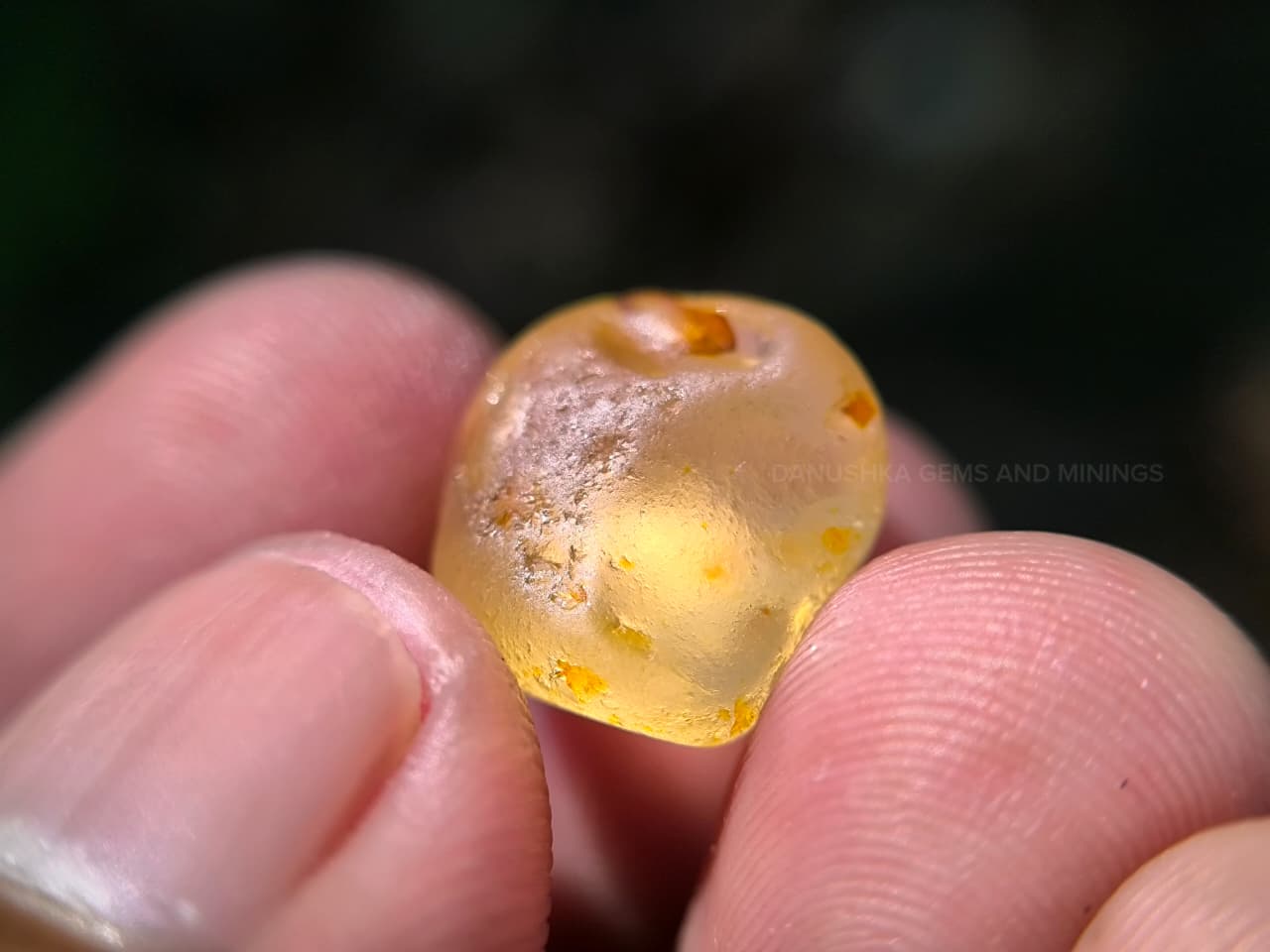
13.19 ct Unheated Ceylon Yellow Sapphire Facet Grade Rough – Pelmadulla
13.19 ct unheated Ceylon yellow sapphire, facet-grade alluvial rough.
SKU
DG00862
Categories Sapphire Rough, Yellow Sapphire
Tags alluvial sapphire, Ceylon Yellow Sapphire, Facet grade rough, Sri Lanka Gemstone, Unheated sapphire
Spread the Love
STONE IDENTITY & QUALITY
This 13.19 carat natural unheated Ceylon yellow sapphire rough originates from Pelmadulla village around mining in Sri Lanka, Sabaragamuwa Province.
Measuring 13.3 × 13 × 7.7 mm, the stone is identified as facet-grade alluvial rough, intended for professional gemstone cutting and evaluation.
Yellow sapphire belongs to the corundum mineral species, composed primarily of aluminium oxide (Al₂O₃). Corundum has a hardness of 9 on the Mohs scale and is widely used in fine jewelry.
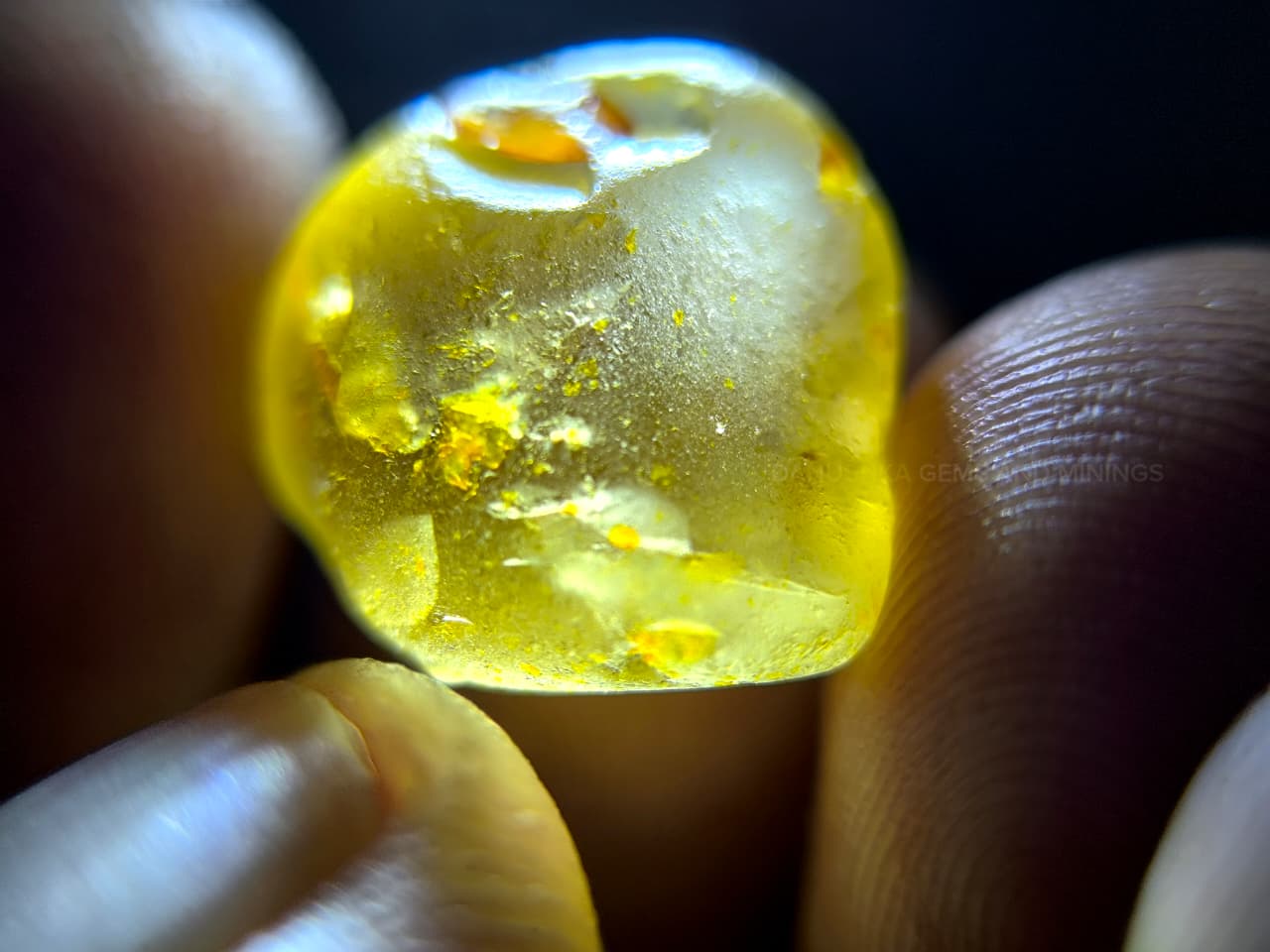
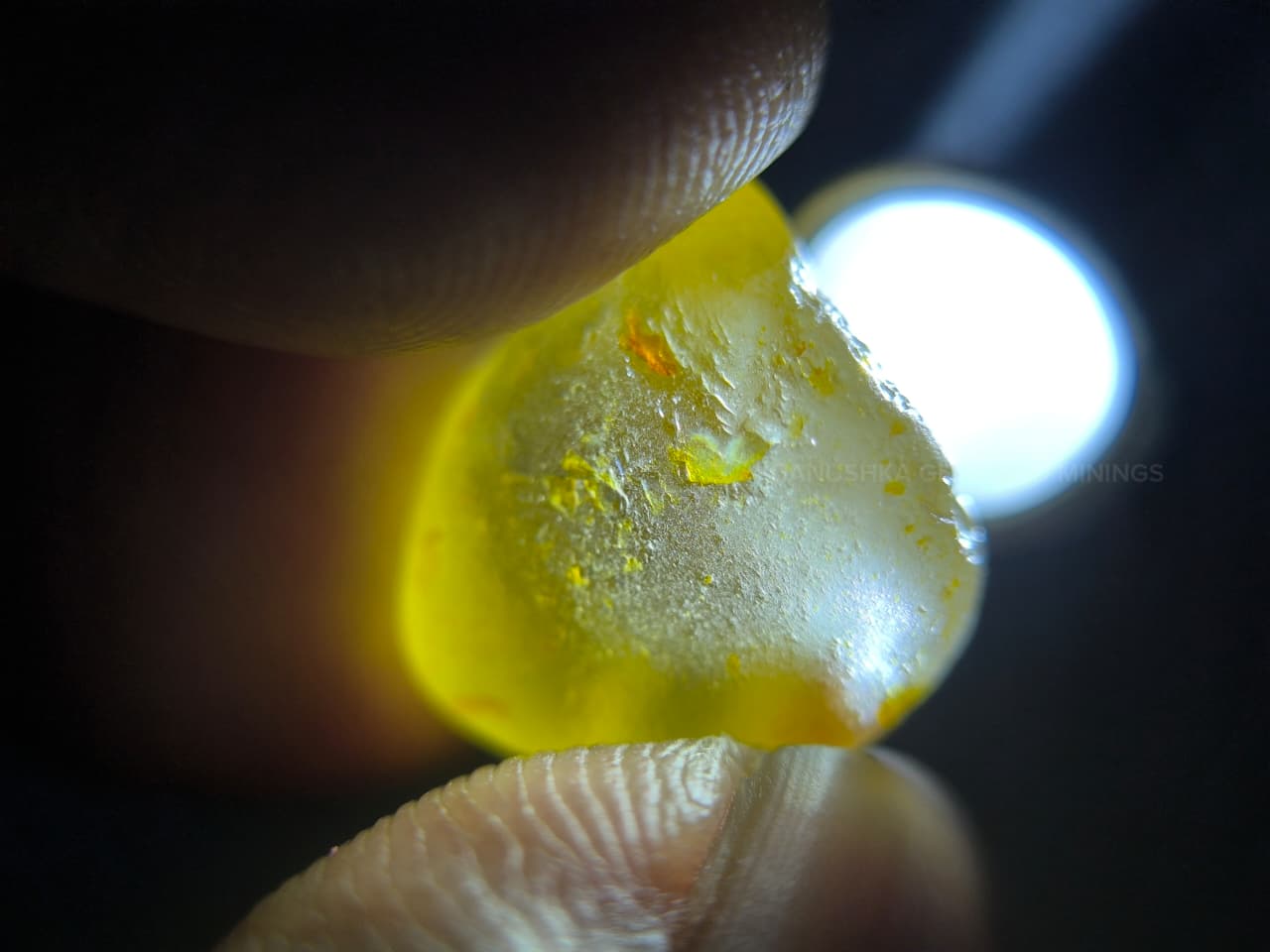
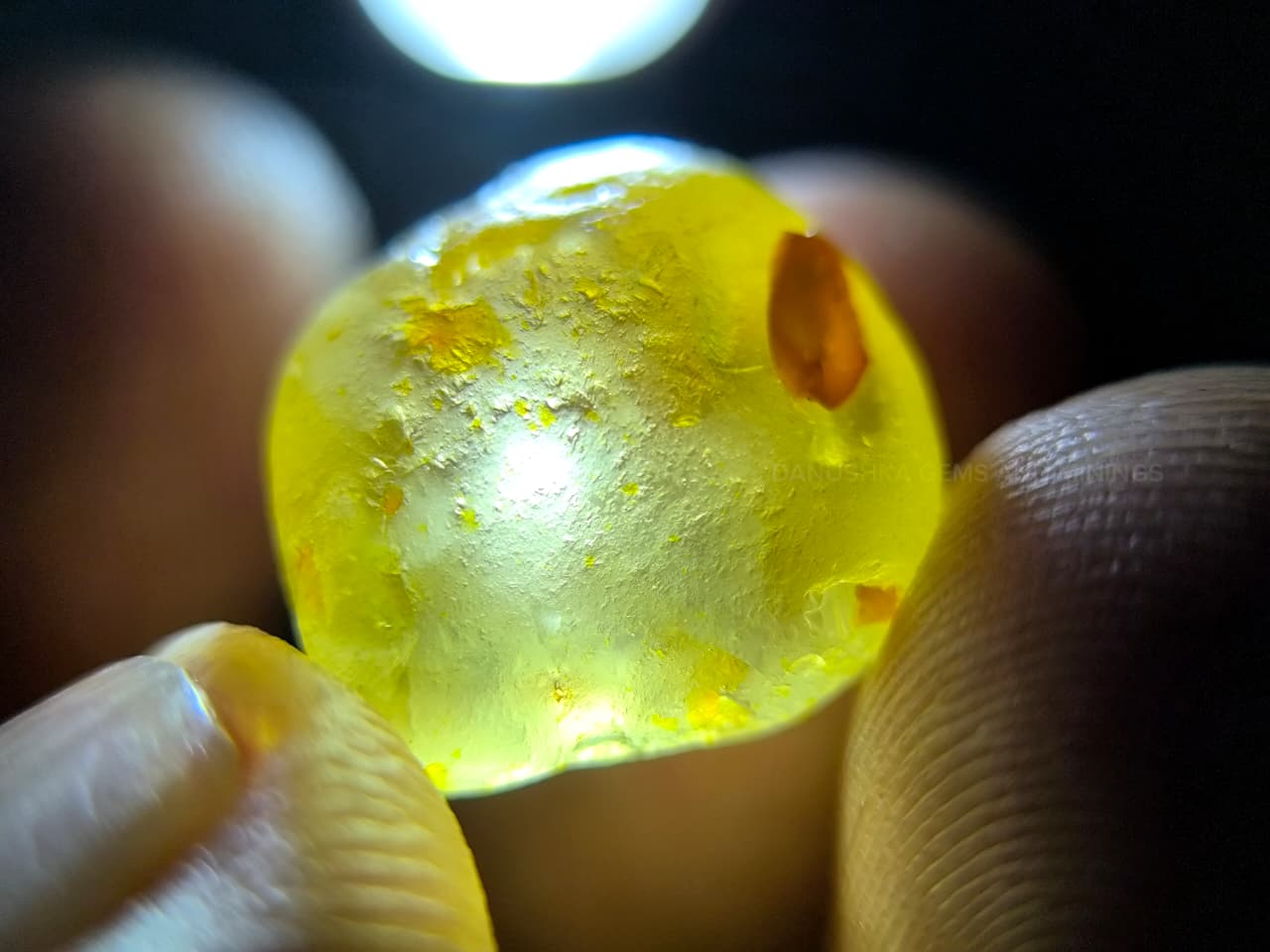
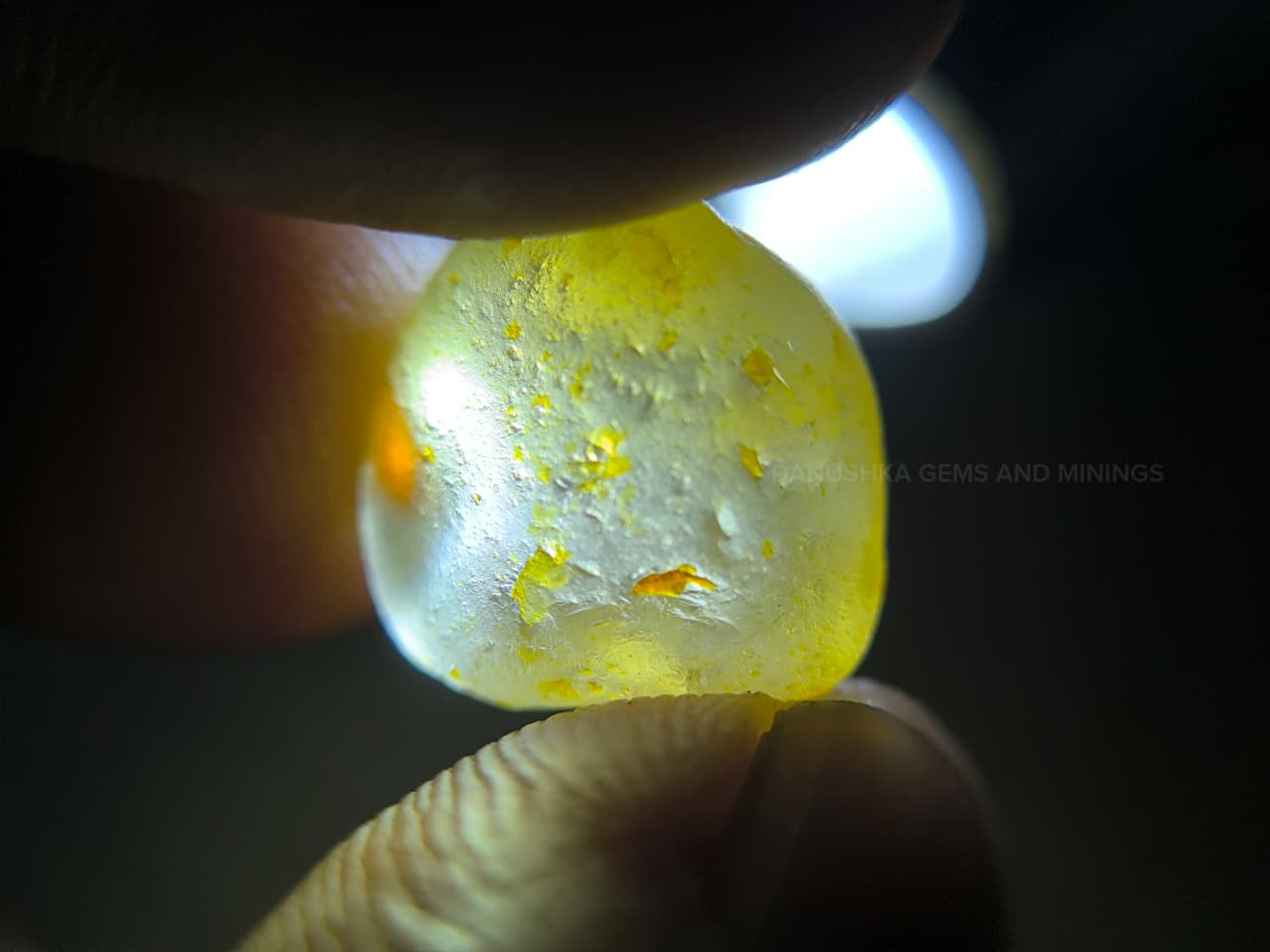
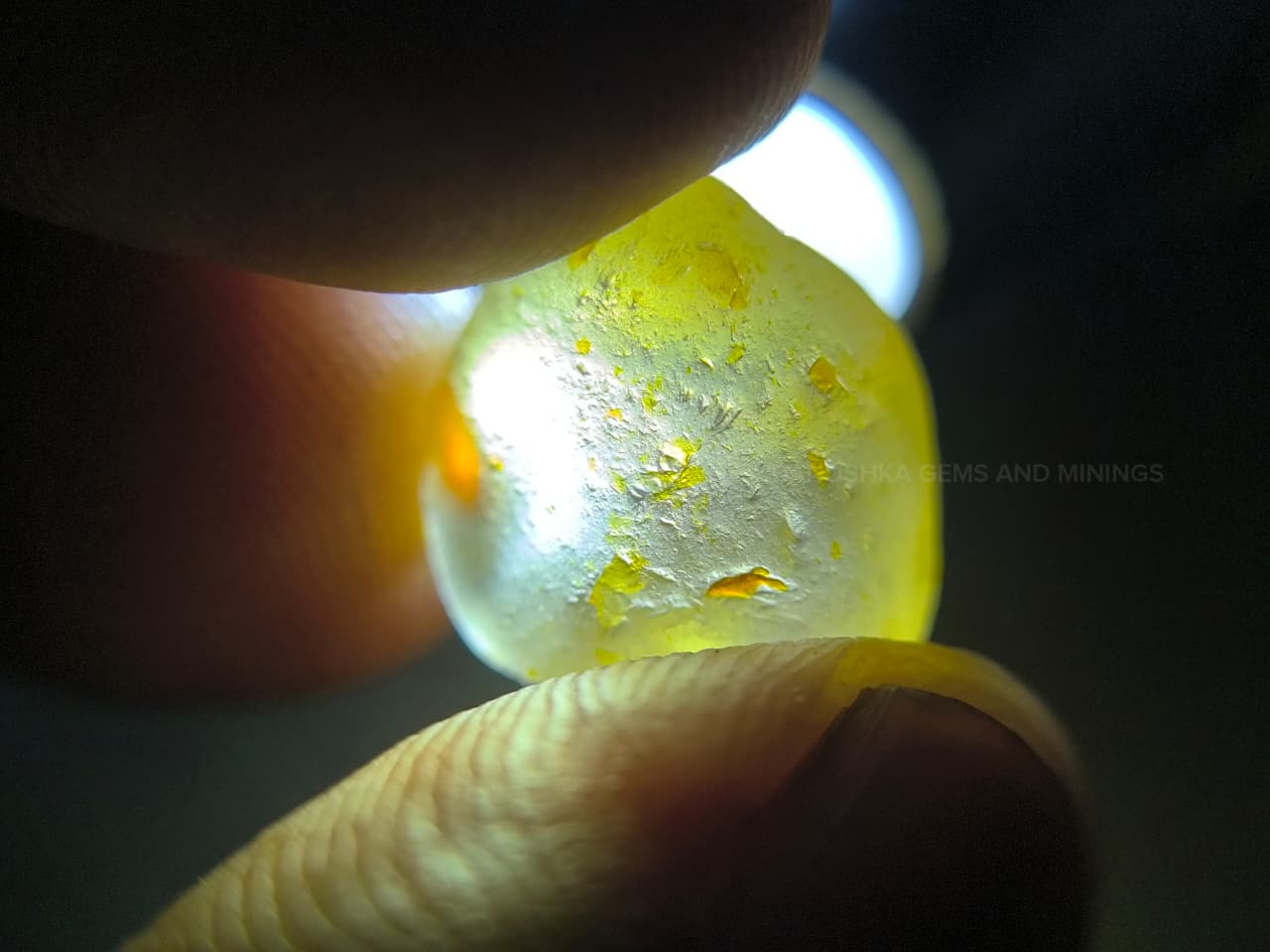
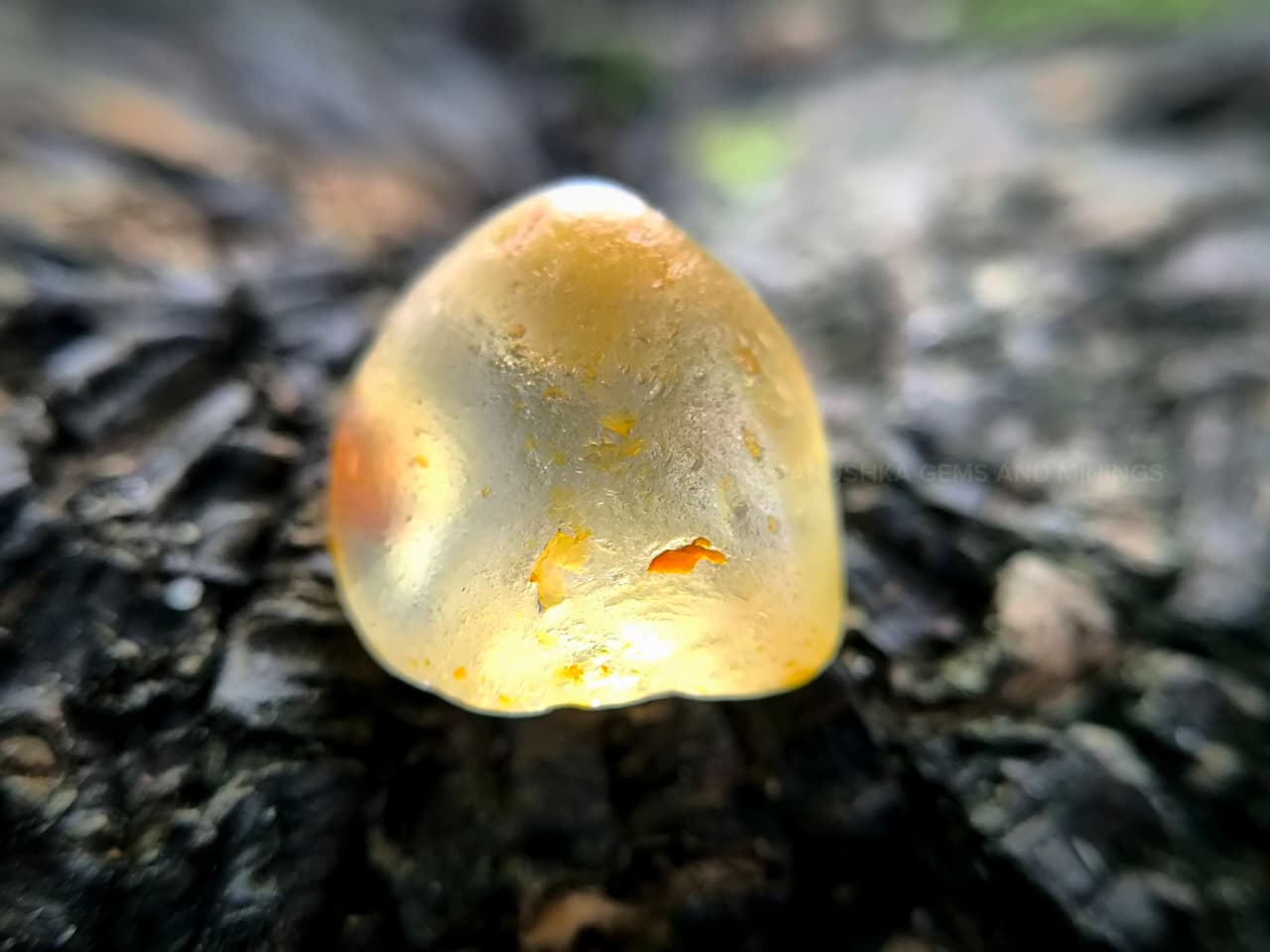
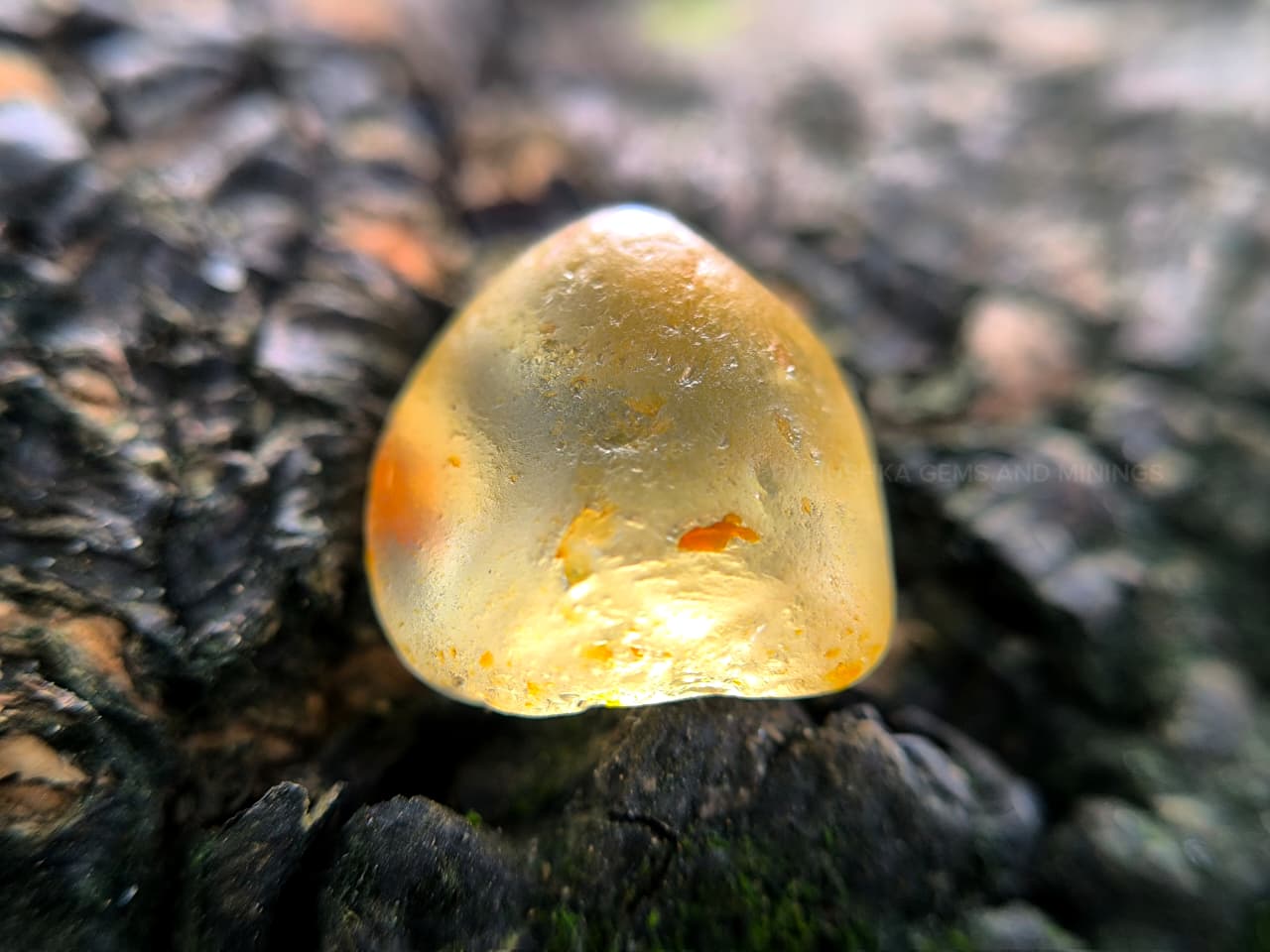
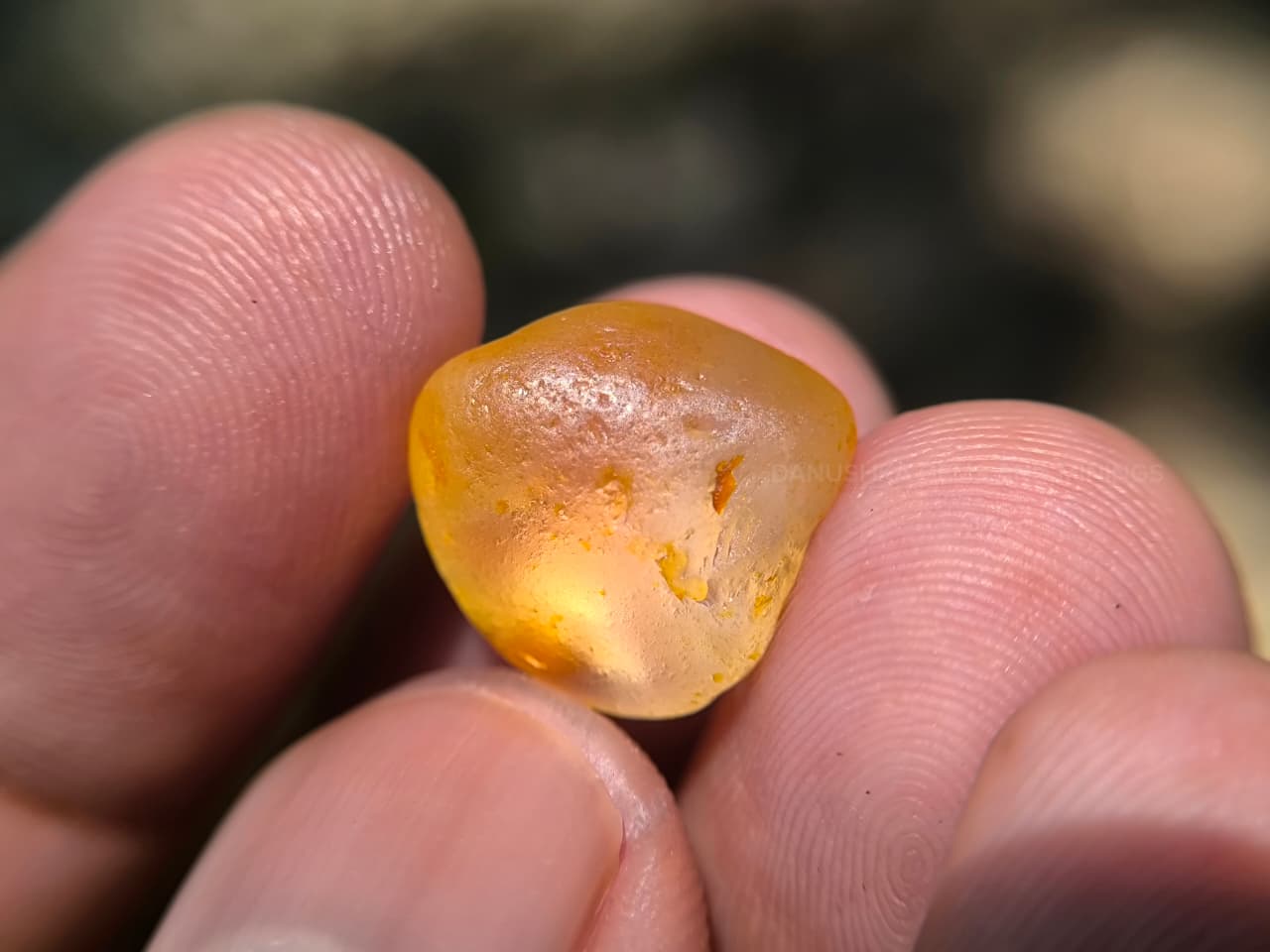
The stone retains a naturally rounded alluvial form, with visible yellow coloration, lighter areas and features requiring closer examination near the surface.
Its treatment disclosure is Unheated.
COLOR & VISUAL CHARACTERISTICS
The sapphire displays yellow coloration that varies in apparent intensity depending on the direction and strength of the light.
Under concentrated transmitted lighting, brighter yellow areas become visible, while other portions appear lighter and less saturated. These differences are relevant to selecting the most suitable cutting orientation.
One important consideration is pleochroism, an optical property of sapphire that can cause color appearance or intensity to vary according to the direction of observation.
Yellow sapphires can display different yellow intensities along different crystallographic directions. A cutter must therefore examine the rough carefully before positioning the table and pavilion.
For this particular stone, the supplied source evaluation identifies direction-dependent color as an important cutting consideration.
A well-selected cutting direction may help present stronger yellow coloration, while an unsuitable direction could result in a lighter face-up appearance.
INTERNAL & EXTERNAL FEATURES
The rough retains a naturally rounded exterior, with small surface irregularities and areas displaying differing transparency.
The supplied photographs show yellowish markings, reflective features and localized characteristics near the surface.
some portions appear comparatively cleaner under transmitted light, while other areas require closer examination before preforming.
The exact identity and depth of the visible features cannot be established without deep examination.
Professional magnification and directional lighting are necessary to determine whether particular characteristics are superficial, internal or potentially relevant to the gemstone’s durability.
This evaluation is important because the position of a feature may influence the intended table, girdle or pavilion placement.
Material that appears relatively clean from one direction may show additional characteristics when viewed from another.
CUTTING POTENTIAL – FACET GRADE ALLUVIAL SAPPHIRE
The 13.19 ct rough offers an interesting starting point for professional faceting because of its alluvial shape and available cutting body.
Unlike sharply irregular rough material, a naturally rounded alluvial stone may sometimes allow a cutter to select a design with relatively favorable weight retention.
However, the actual recovery depends on orientation, internal characteristics, proportions and the removal of unsuitable material.
For this sapphire, three factors deserve particular attention.
First is color orientation. Since sapphire exhibits pleochroism, the cutter should examine the stone from different directions to determine which position provides the desired yellow appearance.
Second is the distribution of cleaner-looking areas. The cutting plan should consider the position of visible near-surface characteristics and whether they can be removed or minimized without sacrificing excessive usable material.
Third is the relationship between natural rough shape and finished design. The original dimensions of 13.3 × 13 × 7.7 mm should guide the evaluation, but they do not establish a particular finished shape.
A cutter may need to balance maximum weight retention against stronger face-up color, suitable proportions and clarity considerations.
The final shape, carat weight and clarity cannot be guaranteed before cutting.
ORIGIN & SOURCE STORY
This natural yellow sapphire originates from Pelmadulla village around mining in Sri Lanka, within Sabaragamuwa Province.
Pelmadulla belongs to the established gemstone-producing region associated with Ratnapura, where sapphire and other gemstones have been sourced through generations of local mining and trading.
Sri Lanka, historically known as Ceylon, is internationally recognized for producing sapphires in a broad range of colors.
Yellow sapphire forms an important part of this gemstone heritage, both as polished jewelry material and as rough for specialist cutting.
Danushka Gems & Minings maintains relationships with miners, mine owners, local buyers and source dealers across Sri Lanka’s gemstone-producing communities.Our sourcing approach involves examining rough gemstones individually, considering their original characteristics and evaluating suitable processing options.
For this Pelmadulla yellow sapphire, the main considerations are color orientation, alluvial shape, usable cutting areas and natural treatment status.
TREATMENT / CUTTING / CERTIFICATION NOTES
Treatment disclosure: Unheated.
The stone is presented in its original rough condition, without a reported heat-treatment process.
Natural unheated yellow sapphire is an established category within the gemstone trade.
However, unheated status does not automatically establish color stability, a particular clarity grade or a guaranteed cutting result.
The rough should be examined under suitable lighting before a cutting orientation is selected.
Custom faceting and independent gemological certification may be arranged where suitable.
No laboratory certificate has been applied yet as a raa gem,
WHY THIS STONE IS INTERESTING
This 13.19 ct Ceylon yellow sapphire is interesting because its cutting potential depends on balancing several characteristics rather than simply choosing the shape with the highest possible weight.
Its rounded alluvial form may provide opportunities for favorable recovery, while the direction-dependent color requires attention to pleochroism and cutting orientation.
For professional lapidaries, it represents a practical example of how color, internal features and original rough geometry influence the final cutting decision.
SOURCE & ETHICAL POSITION
Danushka Gems & Minings focuses on source-connected gemstone purchasing, transparent treatment disclosure and practical evaluation of natural rough material.
We travel through Sri Lankan mining communities and maintain relationships with people involved in gemstone production and local trading.
Our approach emphasizes understanding each stone before processing, communicating known characteristics accurately and avoiding unrealistic promises about finished weight, clarity or value.
Where suitable, professional cutting and certification support can be arranged.
Frequently Asked Questions
It is natural unheated yellow sapphire facet-grade alluvial rough measuring 13.3 × 13 × 7.7 mm.
Pelmadulla village around mining in Sri Lanka, Sabaragamuwa Province.
Yellow sapphire can exhibit pleochroism, meaning color intensity may vary with viewing direction. Orientation can influence finished face-up color.
The rounded form may offer favorable weight-retention possibilities, but recovery cannot be guaranteed.
Professional faceting and independent certification may be arranged where suitable. The finished result depends on examination and cutting.