| Weight | 7.38 ct |
|---|---|
| Dimensions | 17.3 × 7.7 × 5.9 mm |
| Grade | Facet Grade |
| Variety | Sapphire Rough |
| Treatment | Standard heated |
| Mining Location | elahera village around mining in Sri Lanka |
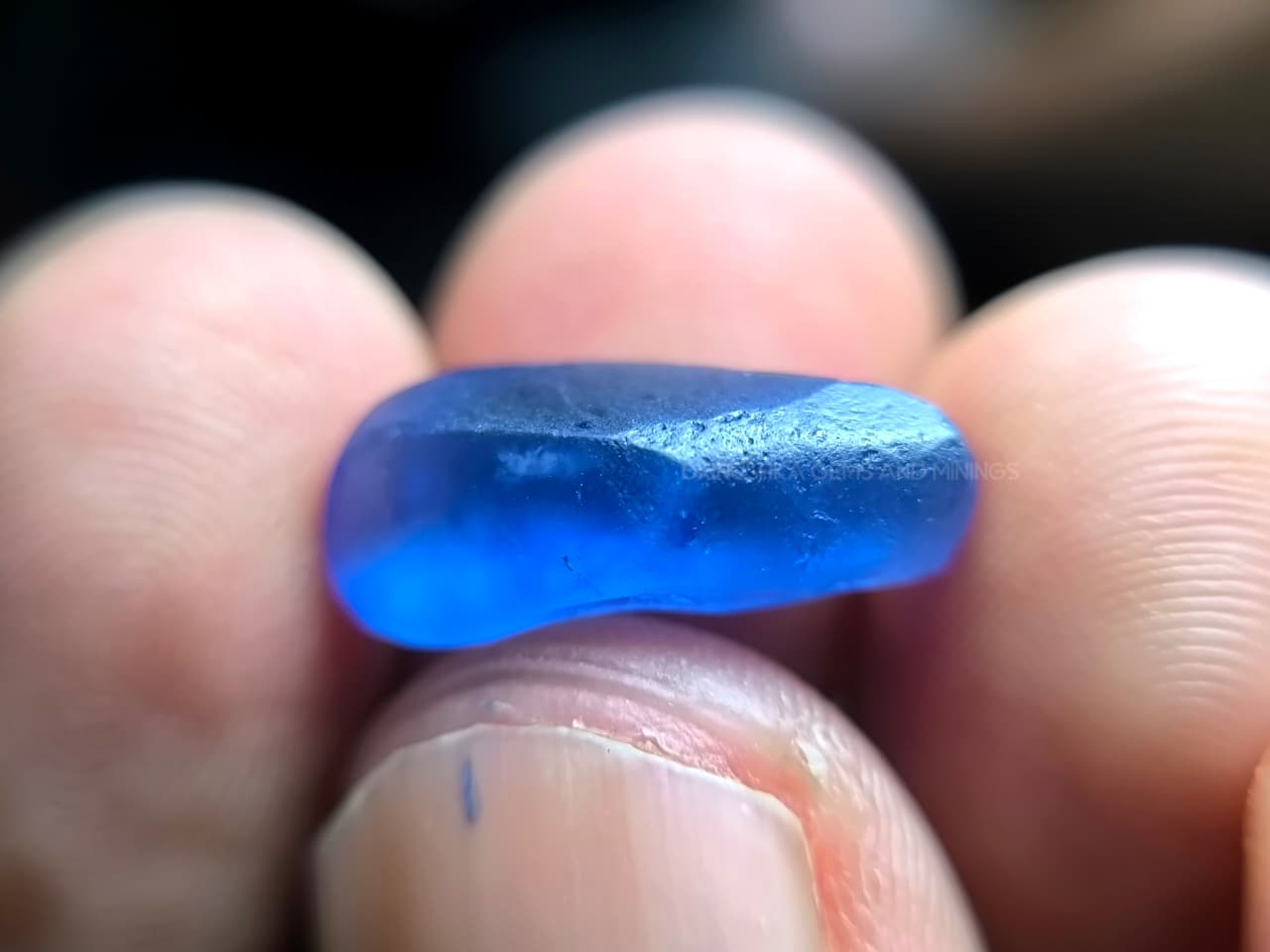
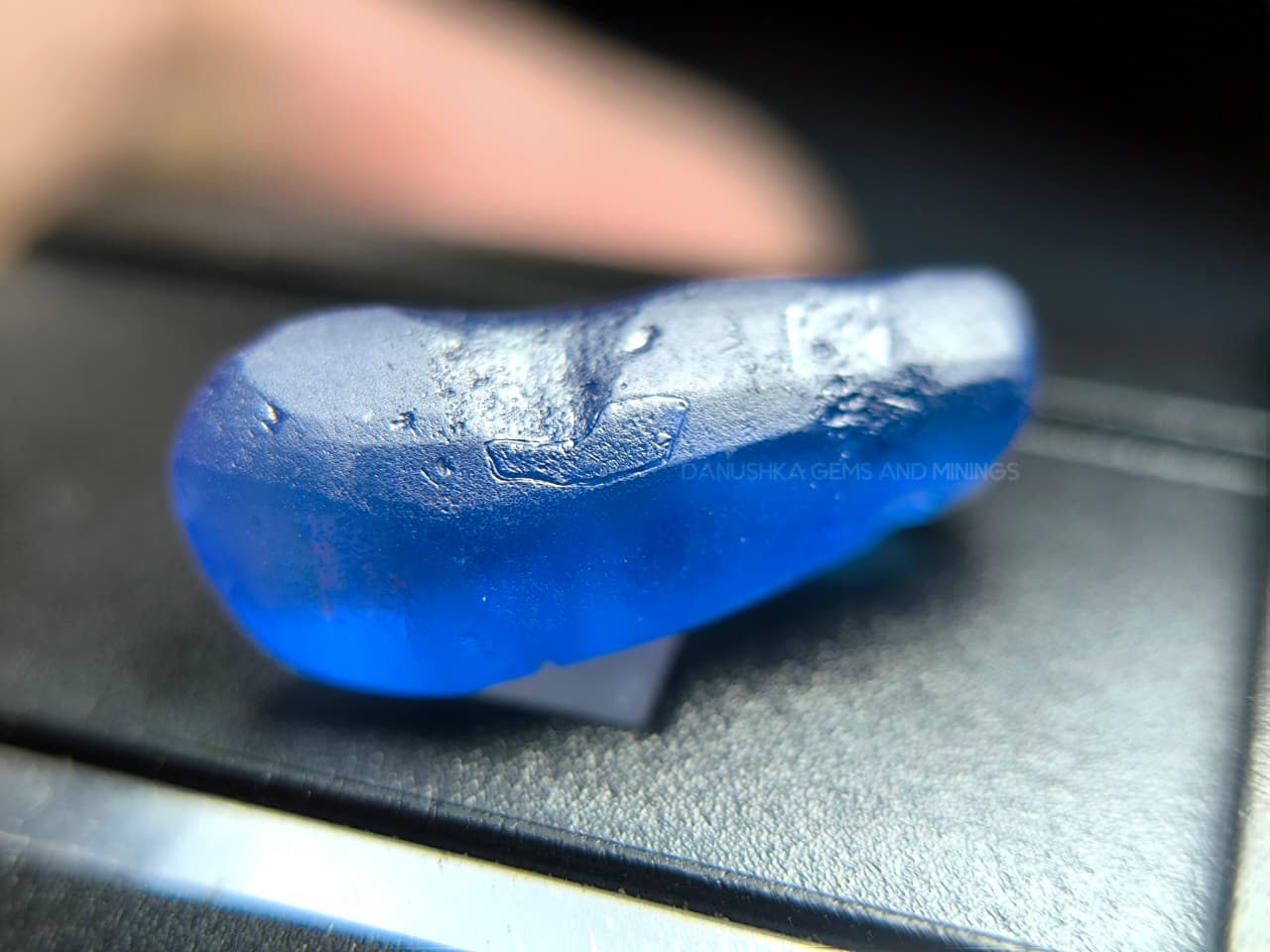
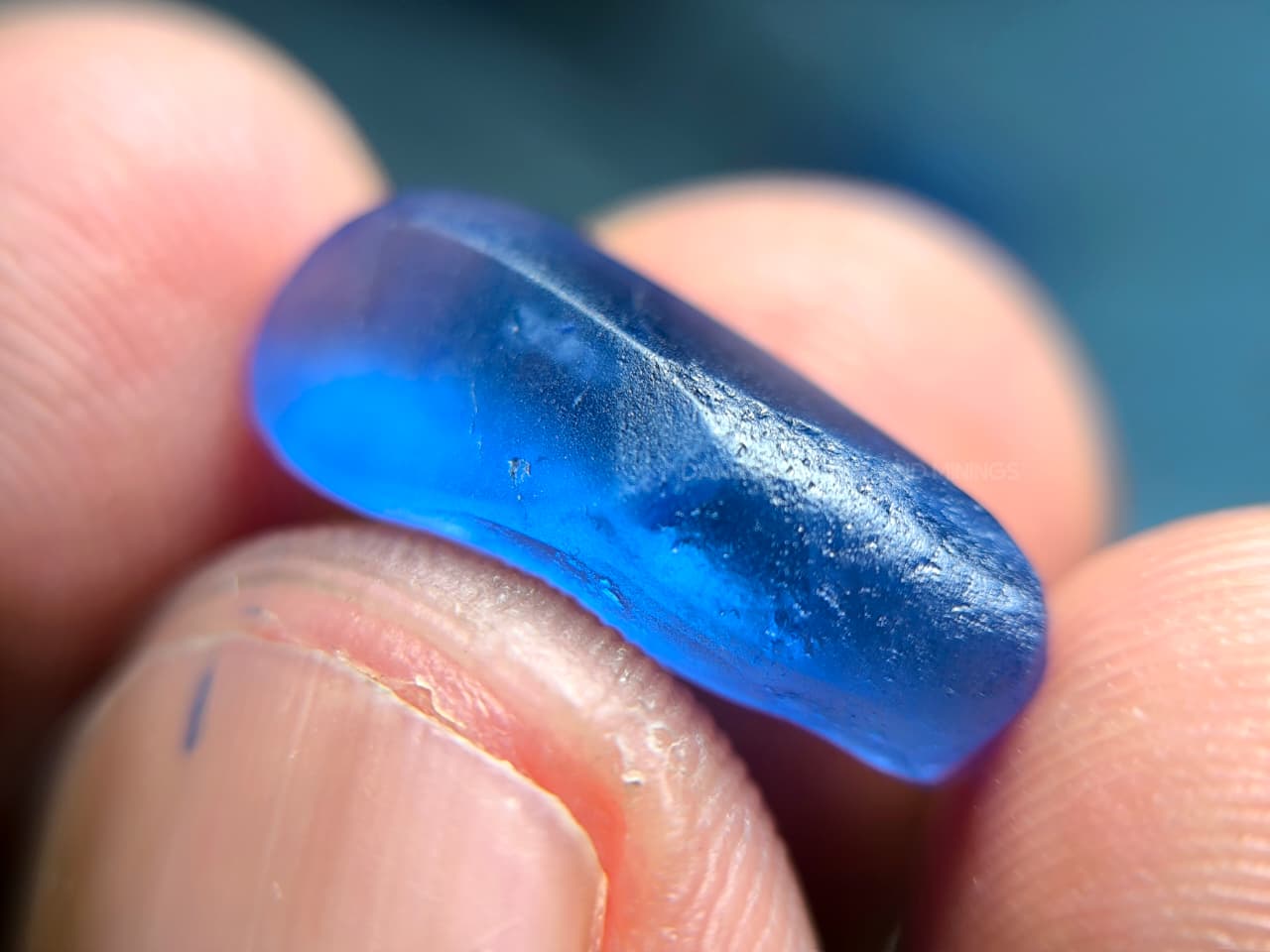
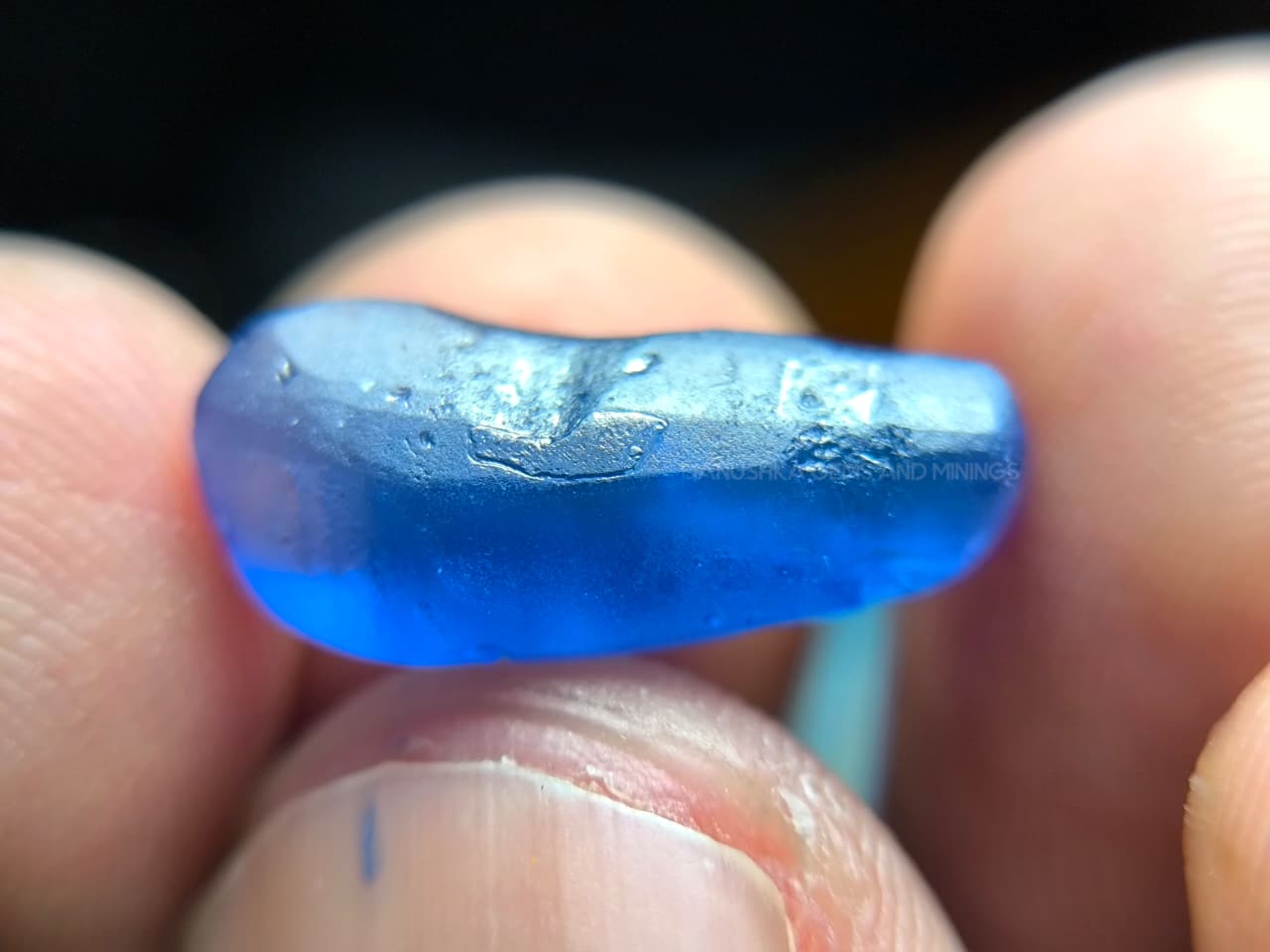
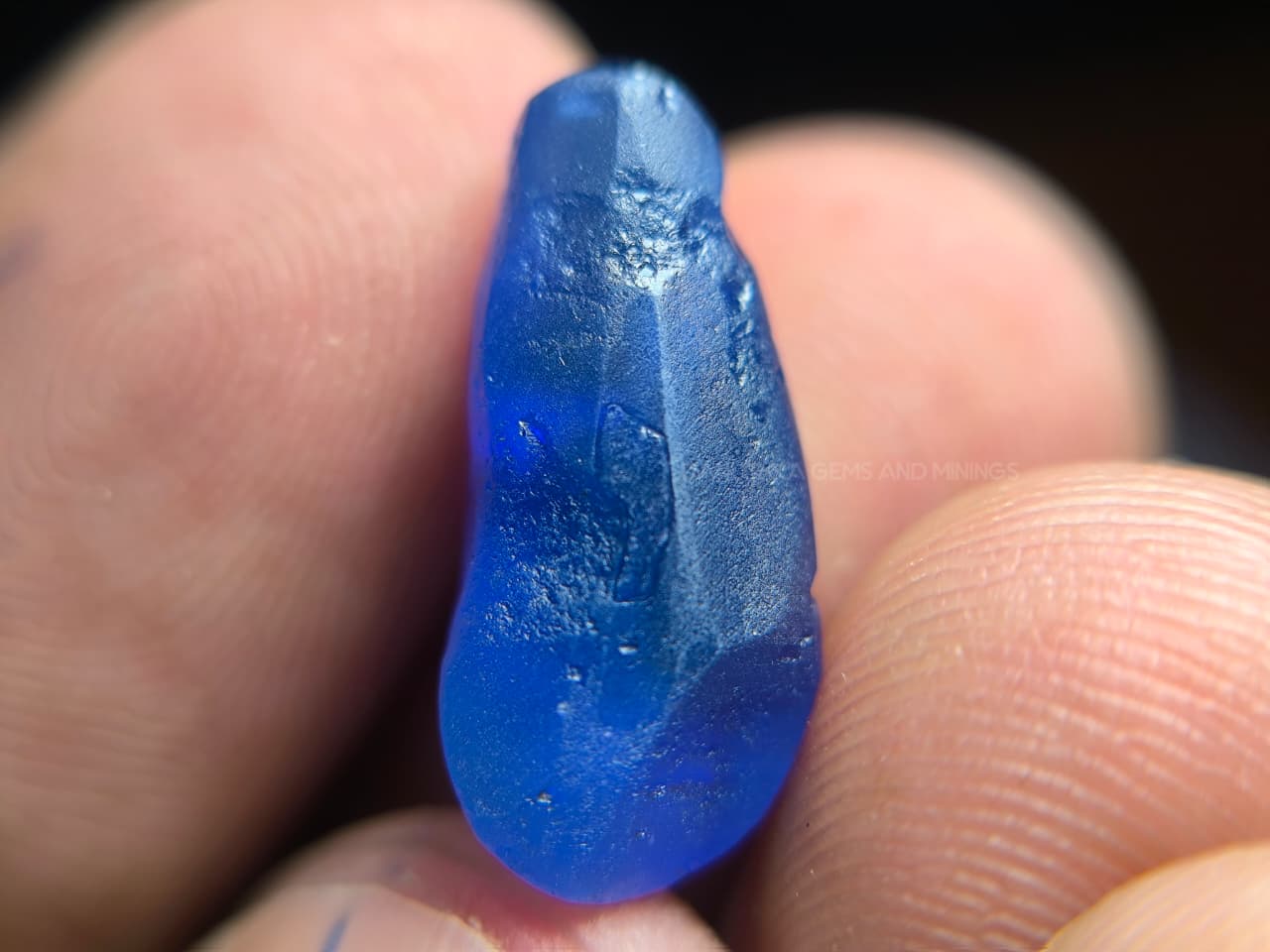
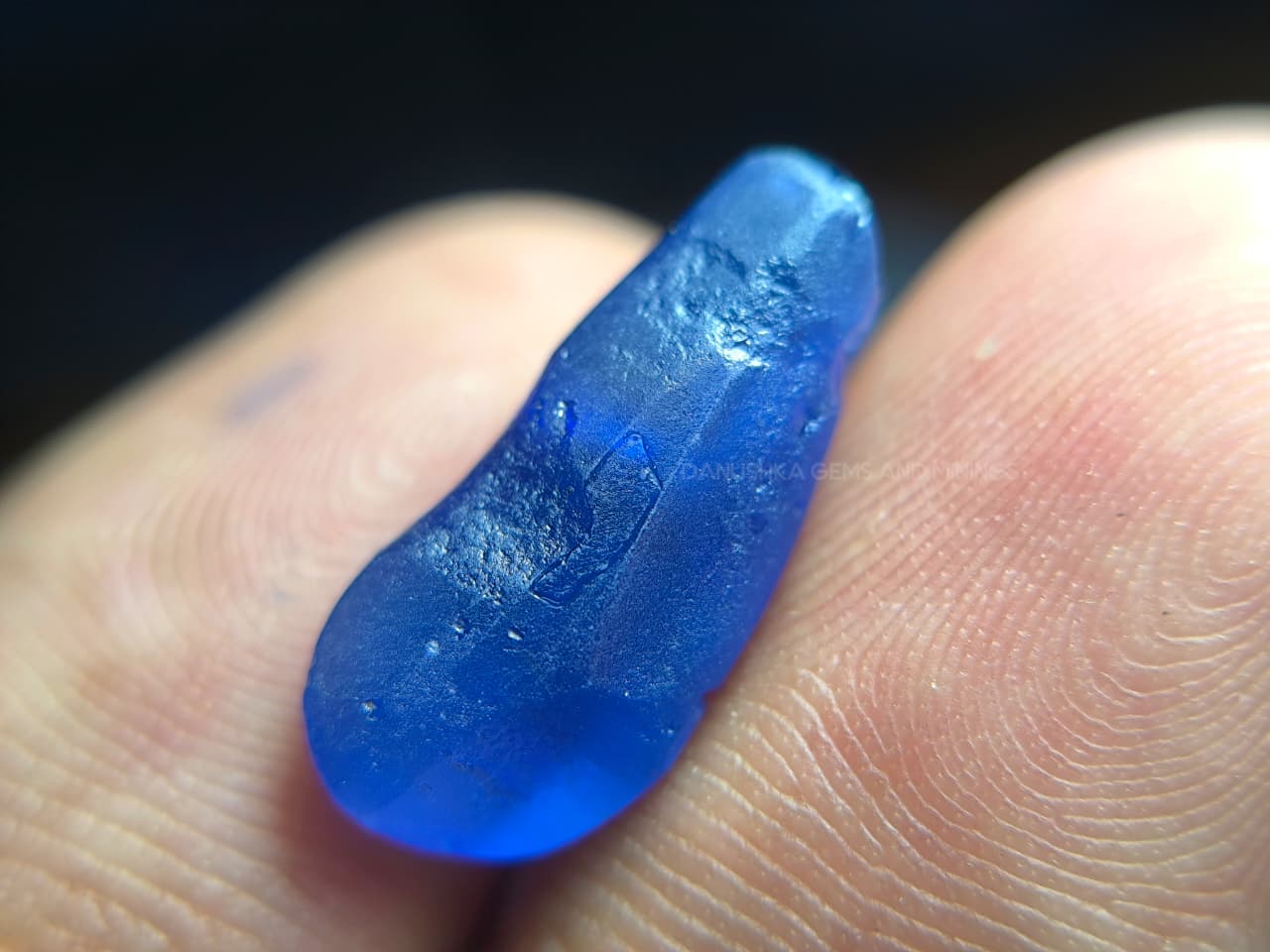
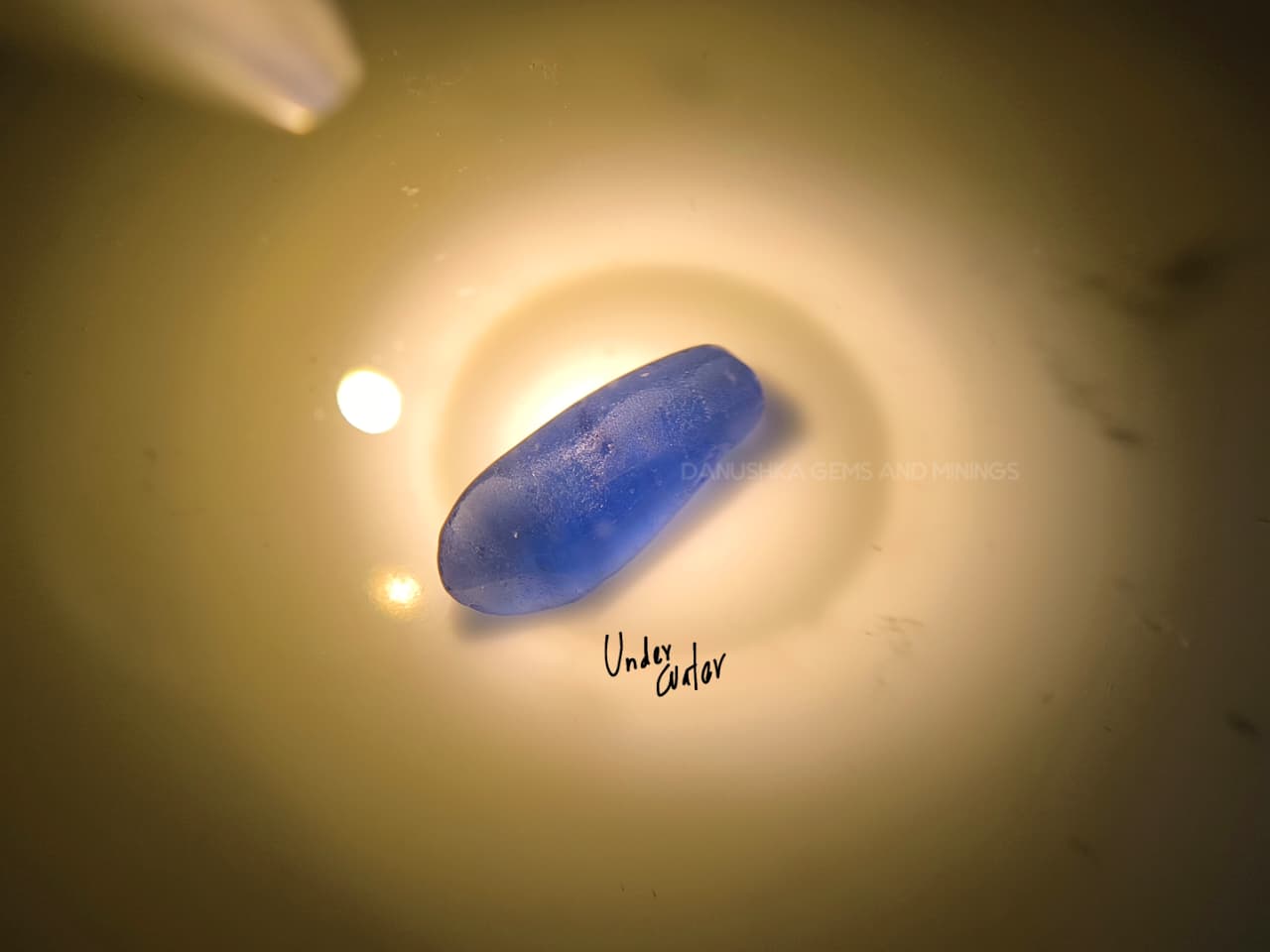
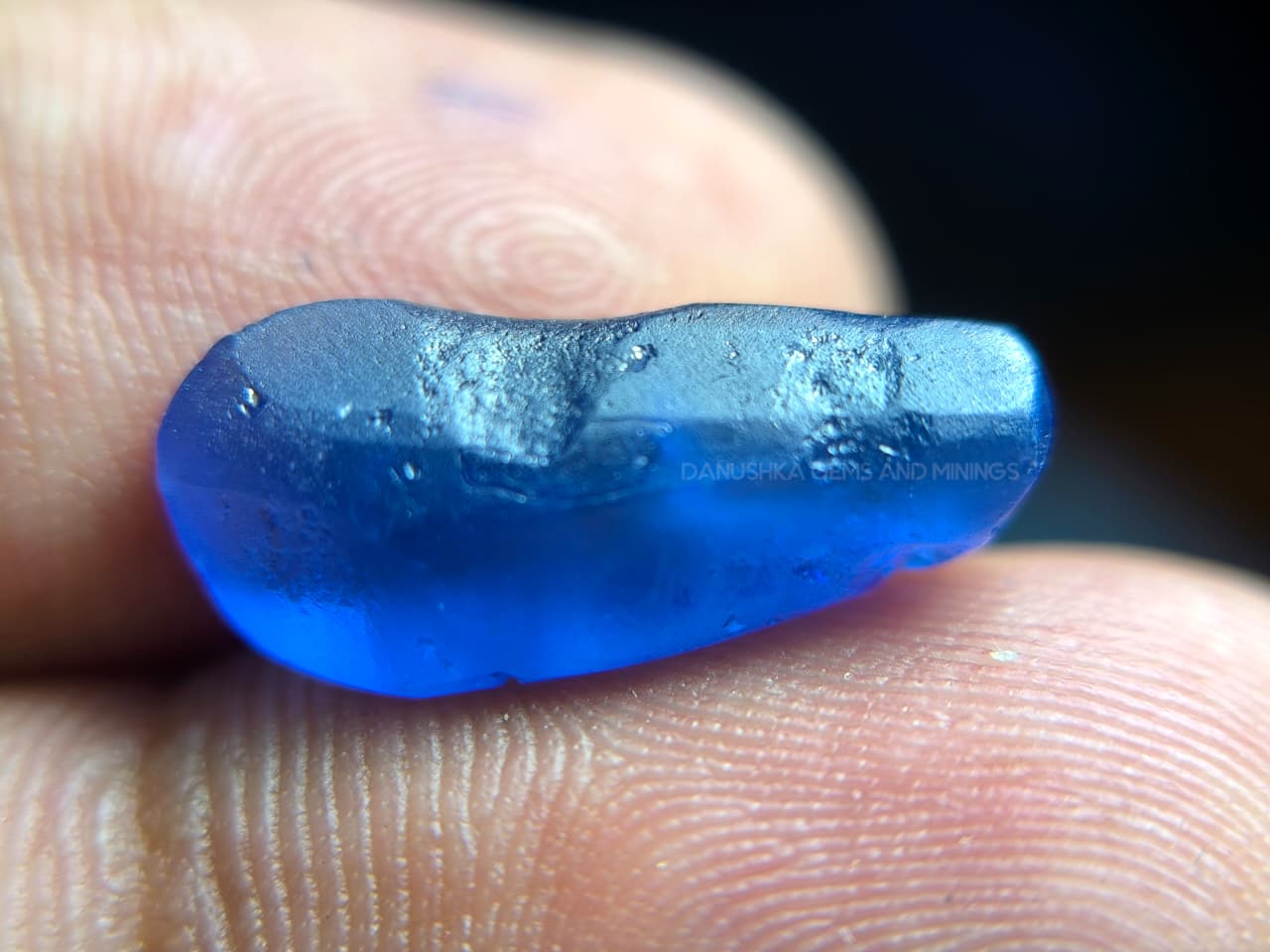
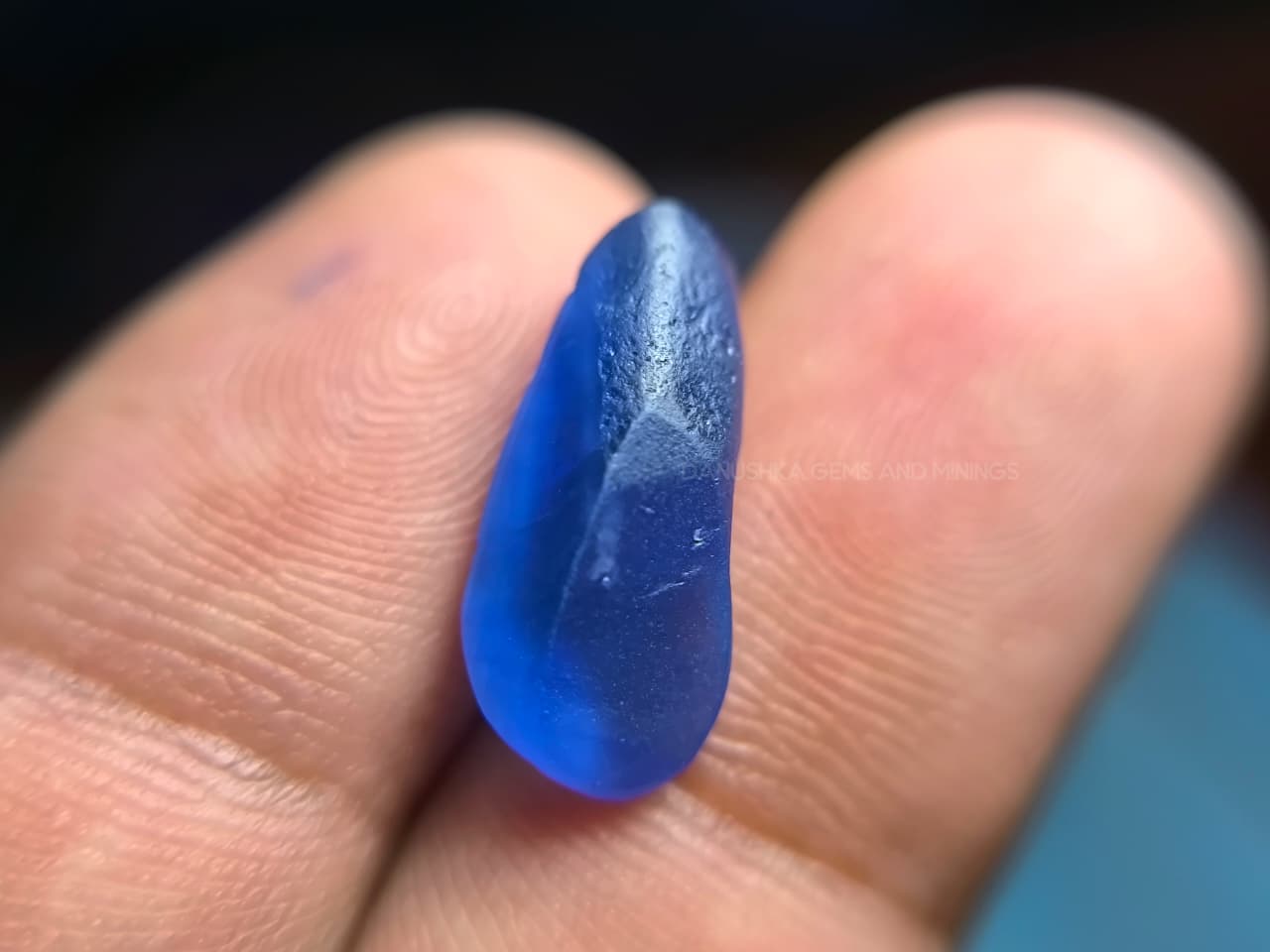
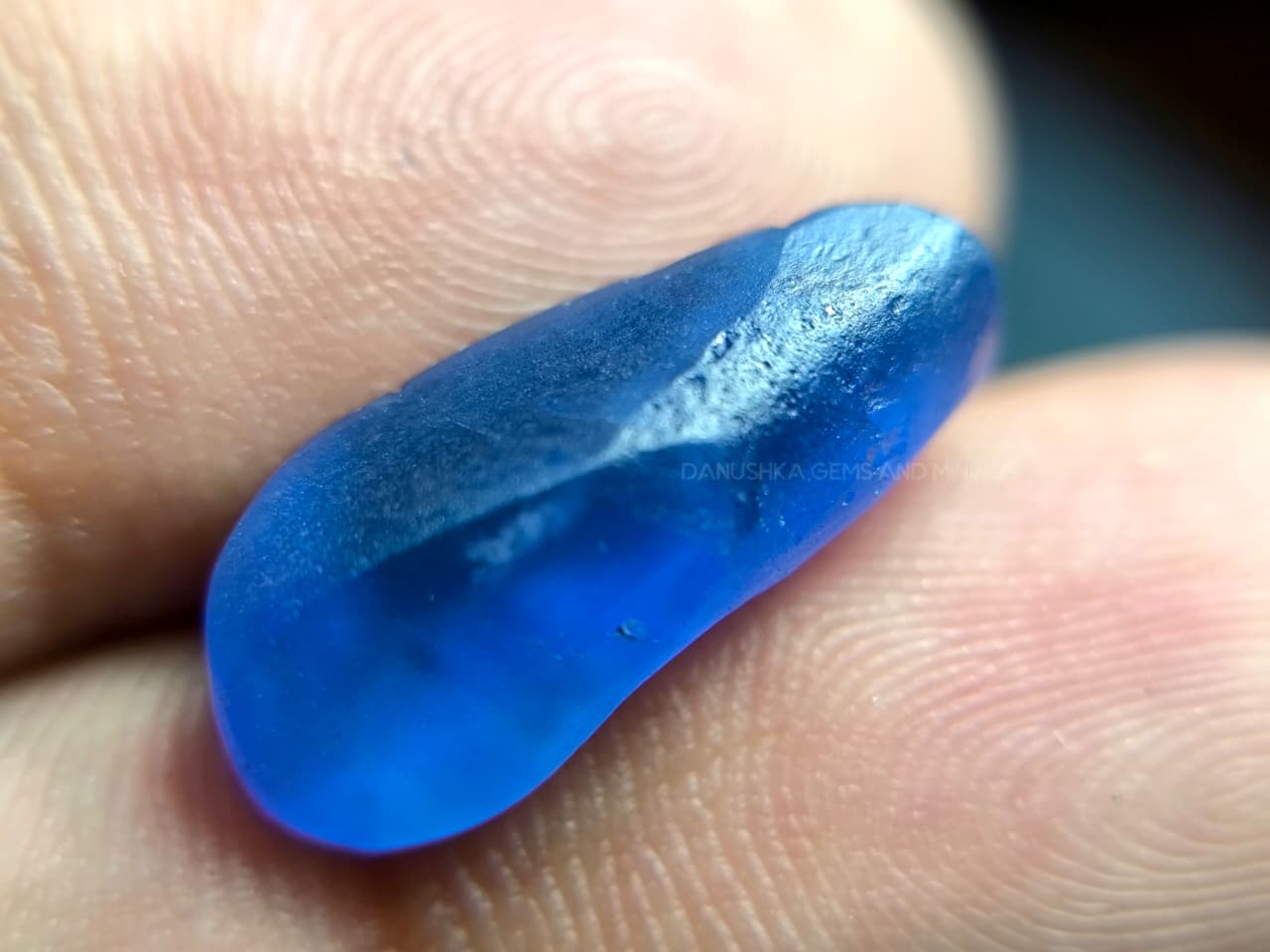
7.38 ct Heated Ceylon Blue Sapphire Rough – Elahera Geuda Transformation, Facet Grade
SKU
DG00815
Categories Blue Sapphire, Sapphire Rough
Tags blue sapphire rough, Ceylon blue sapphire, Elahera sapphire, elongated sapphire rough, Gemstone Cutting Rough, heated sapphire rough
Spread the Love
Stone Identity & Quality
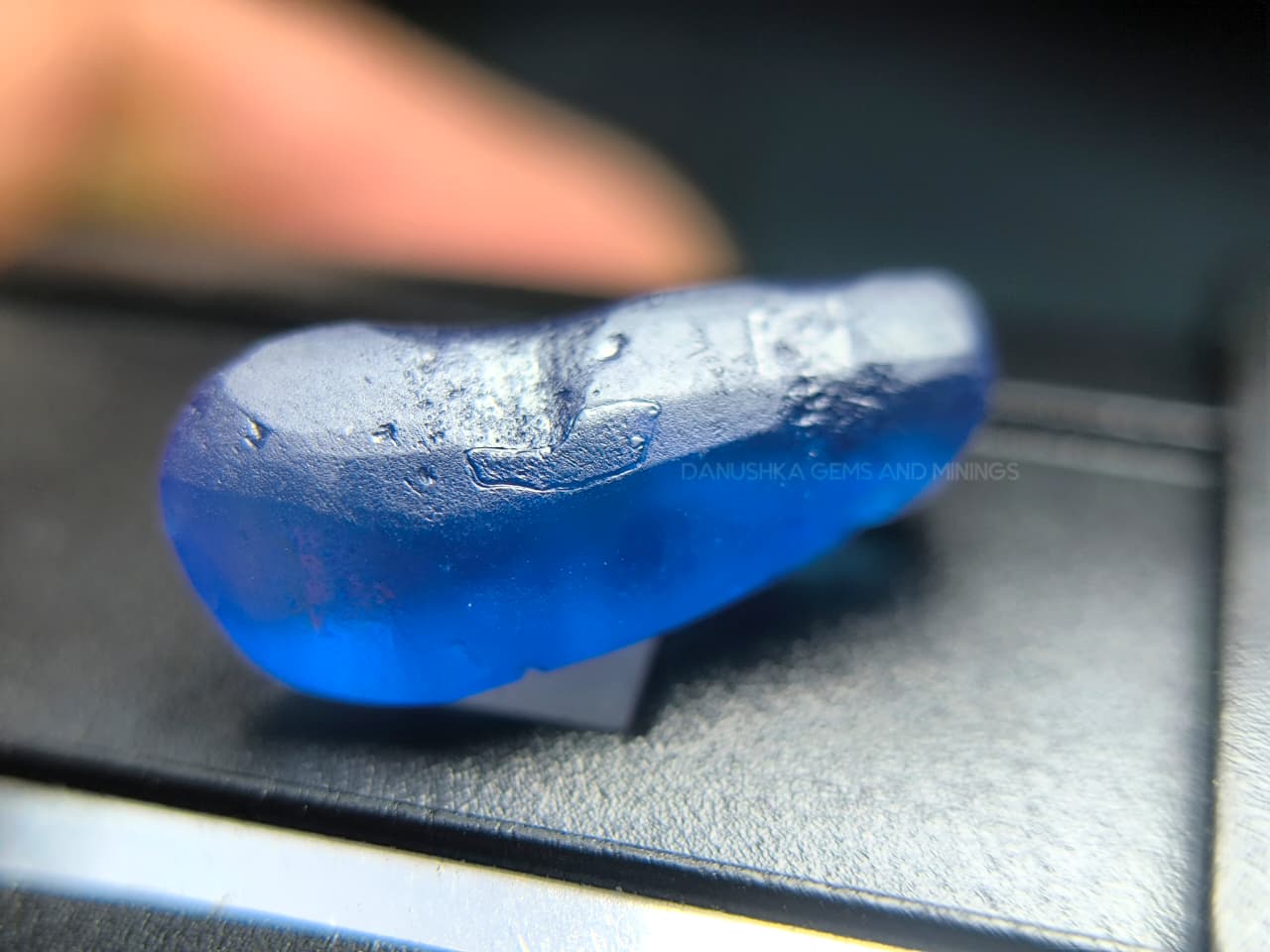
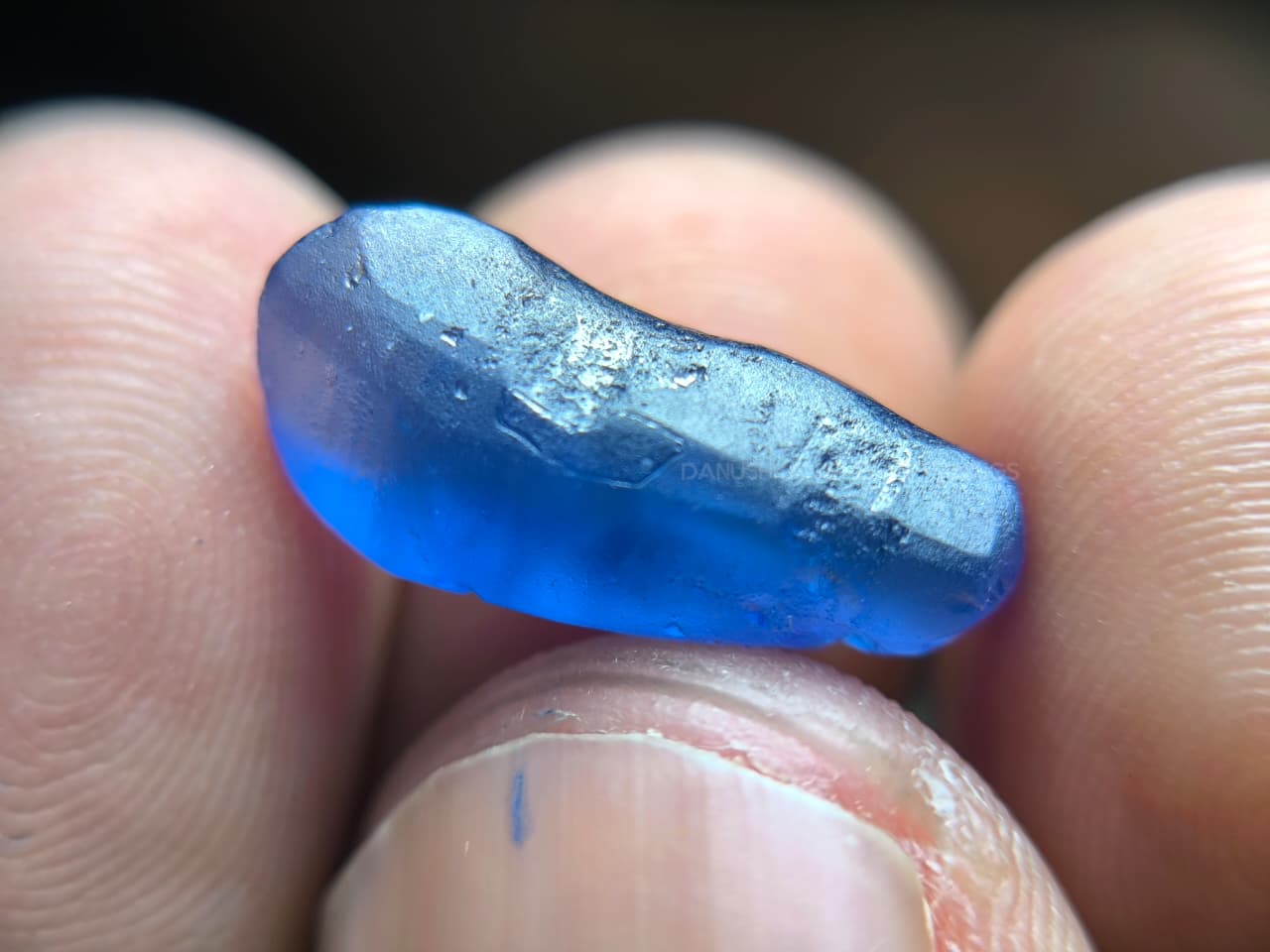
This is a 7.38 ct natural Ceylon blue sapphire rough measuring 17.3 × 7.7 × 5.9 mm, sourced from Elahera village around mining in Sri Lanka.
The stone is facet-grade material with a naturally elongated alluvial form. It is described as very slightly included and has undergone standard heat treatment.
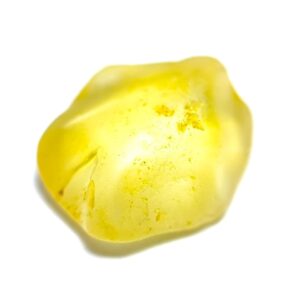
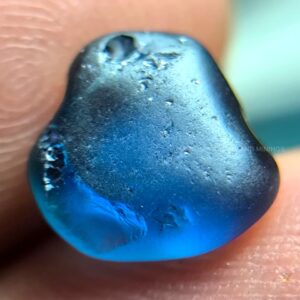
Before heating, the sapphire displayed a milky geuda-type appearance. After treatment, the body became clearer and developed a stronger blue color, making the material more suitable for evaluation as faceting rough.
Color & Visual Characteristics
The sapphire now shows a strong blue body color with better transparency than its original geuda appearance.
Its elongated form allows the color to be observed differently depending on orientation and lighting direction. As with many blue sapphires, final face-up tone after cutting will depend on pavilion depth, orientation, facet angles, and how the cutter manages light return.
The heating result should be described as an observed transformation of this particular stone rather than as a guaranteed outcome for other geuda material.
Internal & External Features
The stone is very slightly included and retains the naturally rounded and worn surface expected from alluvial rough.
Close examination under transmitted light is useful before cutting because this allows the cutter to study any internal features, zoning, depth variation, and possible orientation more clearly.
The rough’s long proportions are particularly important because cutting directly across the wrong axis could reduce useful yield unnecessarily.
Cutting, Orientation & Treatment Potential
Because the stone has already undergone heat treatment, the main consideration now is cutting strategy.
Its elongated dimensions may support several possible finished designs, including an elongated oval, modified cushion, rectangular mixed cut, or another custom shape that follows the rough.
A good cutting plan should consider:
– the direction of strongest blue color,
– depth distribution,
– inclusion position,
– final face-up size,
– pavilion requirements,
– symmetry,
– brilliance,
– and realistic weight recovery.
The final finished weight cannot be predicted accurately from measurements alone. Pre-forming and continuous evaluation during cutting are necessary before any reliable recovery estimate can be made.
Source & Ethical Position
Danushka Gems & Minings works closely with gemstone source areas, cutters, dealers, miners, and local suppliers across Sri Lanka.
Our approach is to present rough gemstones with practical information rather than exaggerated expectations. Treatment status, visible characteristics, possible cutting directions, and limitations are disclosed so the customer can make a better-informed decision.
This sapphire represents an important part of Sri Lanka’s traditional gemstone trade: naturally occurring geuda-type sapphire material that can sometimes respond positively to professional heat treatment and later become suitable for faceting.
Frequently Asked Questions
Yes. It is a natural Ceylon sapphire from Elahera village around mining in Sri Lanka.
Yes. It has undergone standard heat treatment.
It originally had a milky geuda-type appearance.
The stone became clearer and developed a stronger blue body color.
Its elongated rough shape may suit oval, modified cushion, rectangular mixed-cut, or another custom elongated design depending on orientation and inclusions.