| Weight | 8.00 ct |
|---|---|
| Grade | Facet Grade |
| Variety | Sapphire Rough |
| Mining Location | elahera village around mining in Sri Lanka |
| Treatment | unheated |
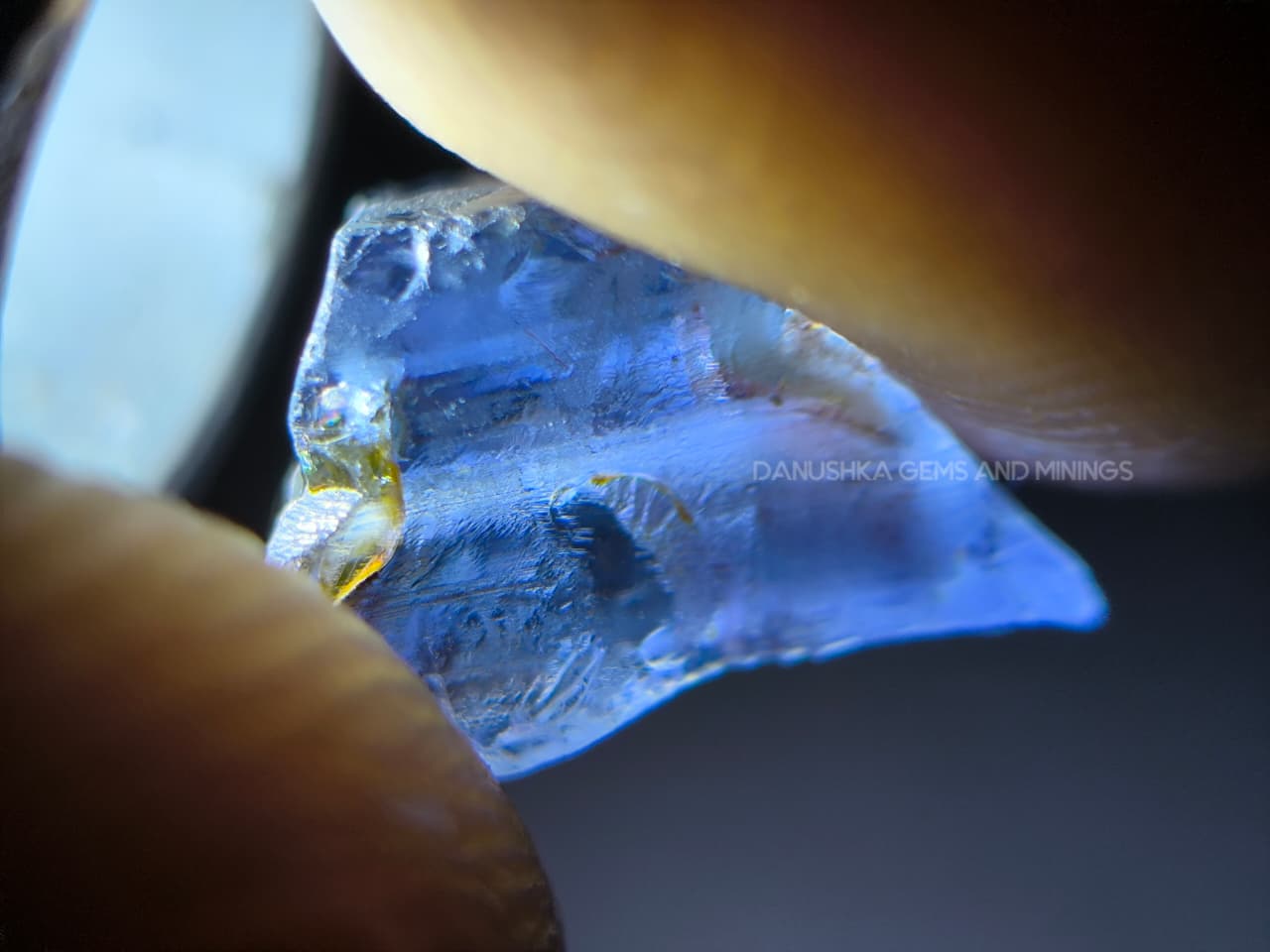
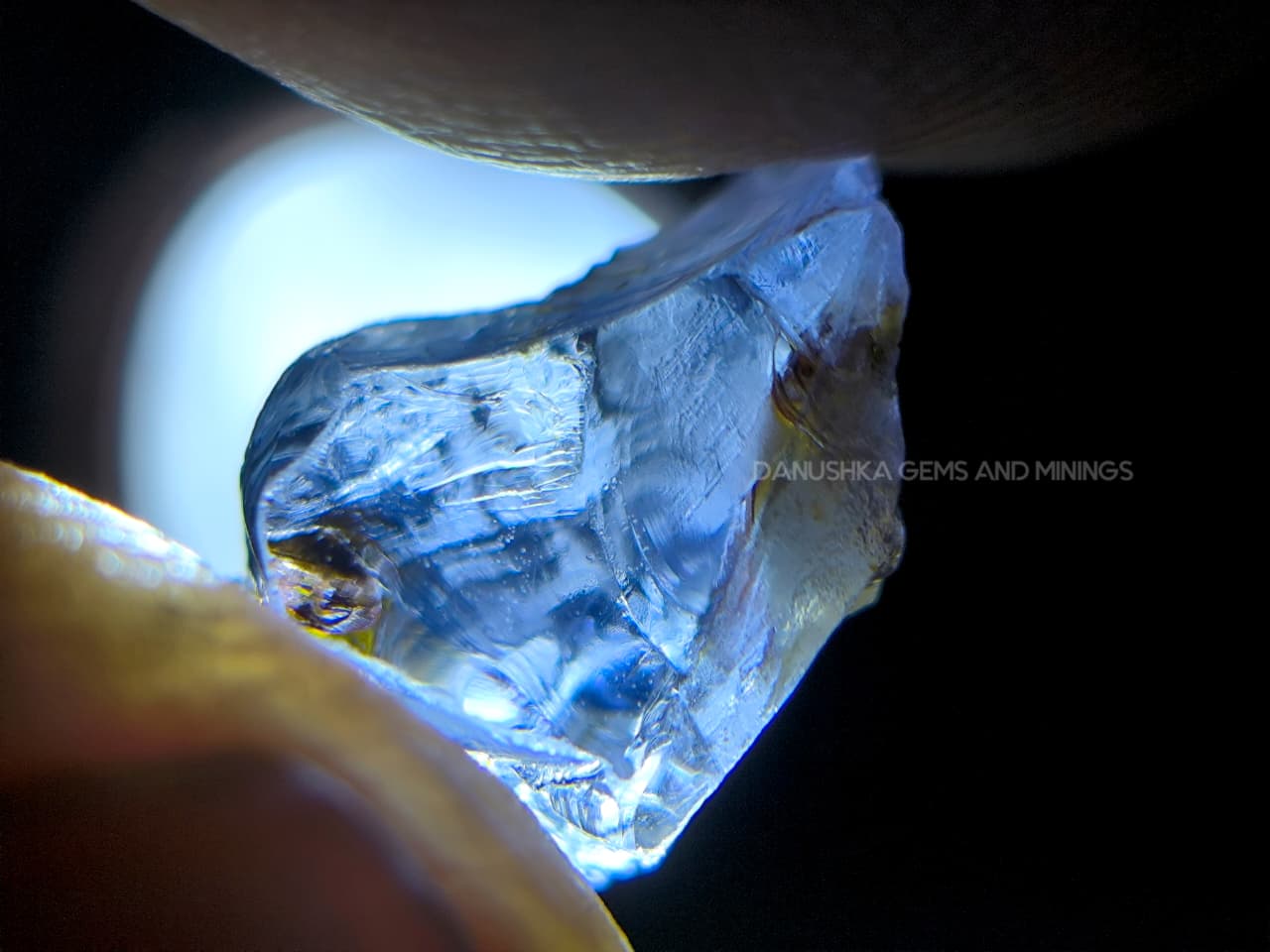
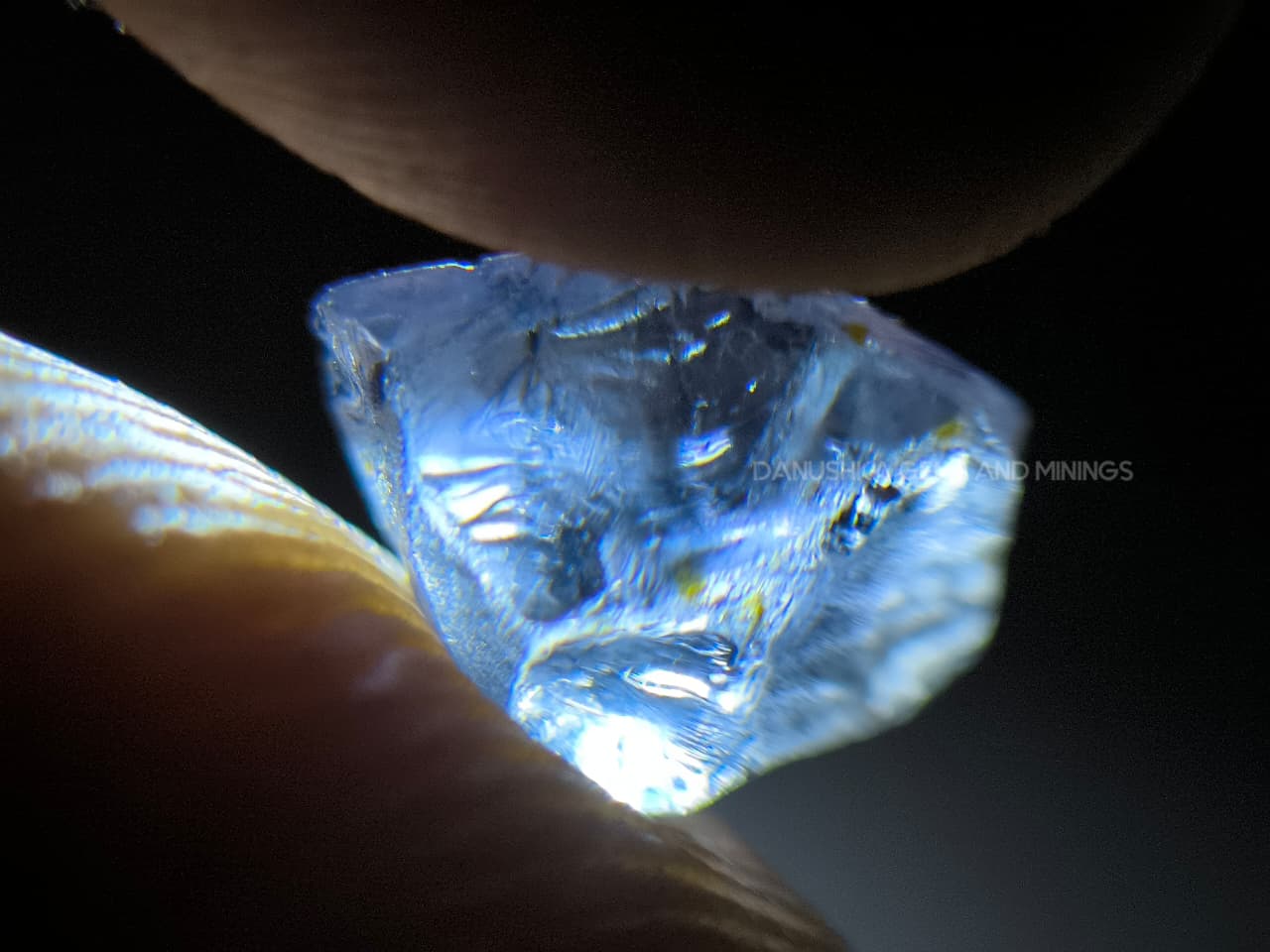
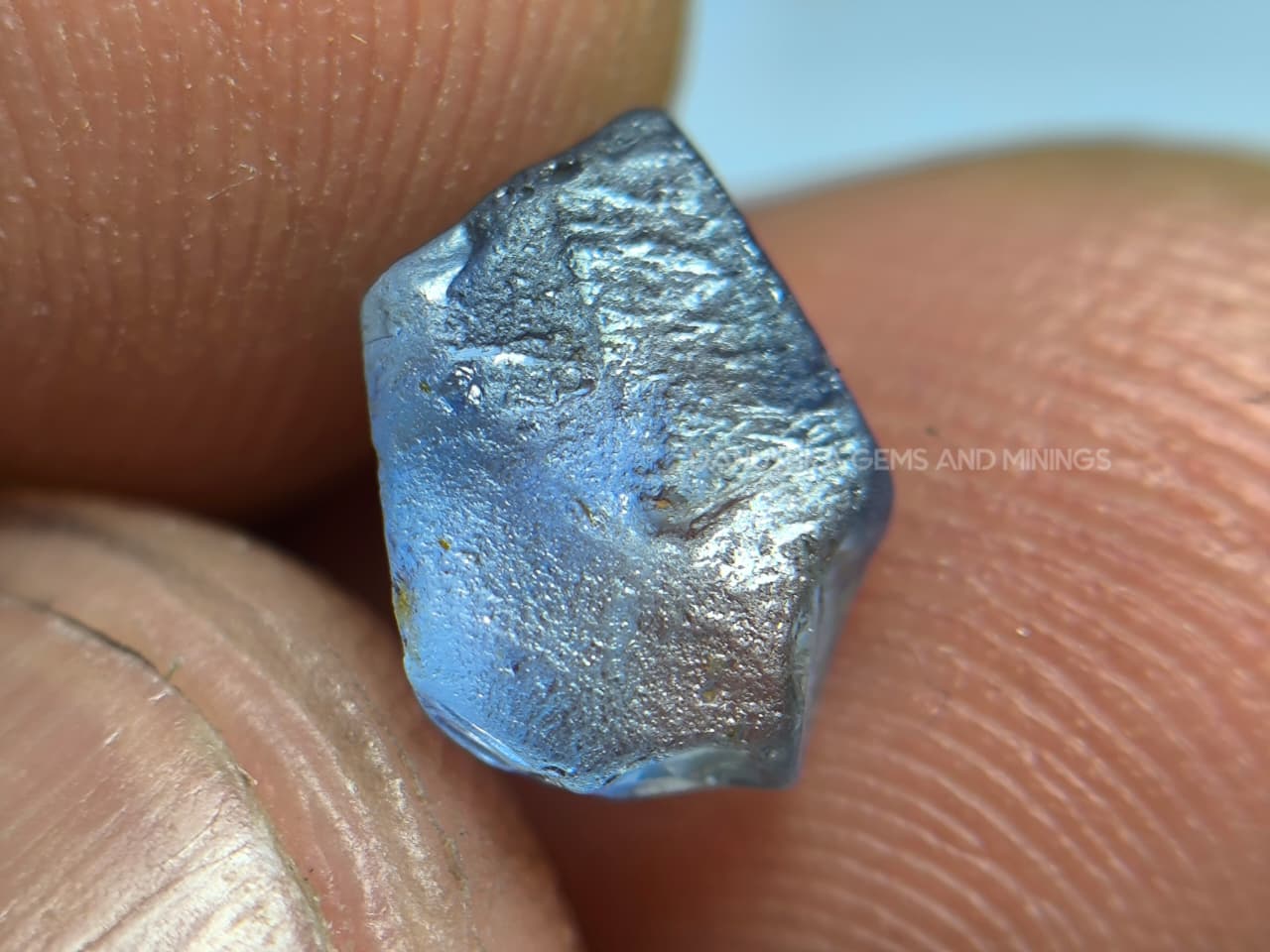
8.00 ct Ceylon Sapphire Rough Parcel – Ottu, Young Geuda & Light Blue Facet Grade Stones from Elahera
SKU
DG00732
Category Sapphire Rough
Tags Ceylon Sapphire Rough, Elahera sapphire, Heating Sapphire Rough, Light Blue Sapphire, natural sapphire rough
Spread the Love
Stone Identity & Quality
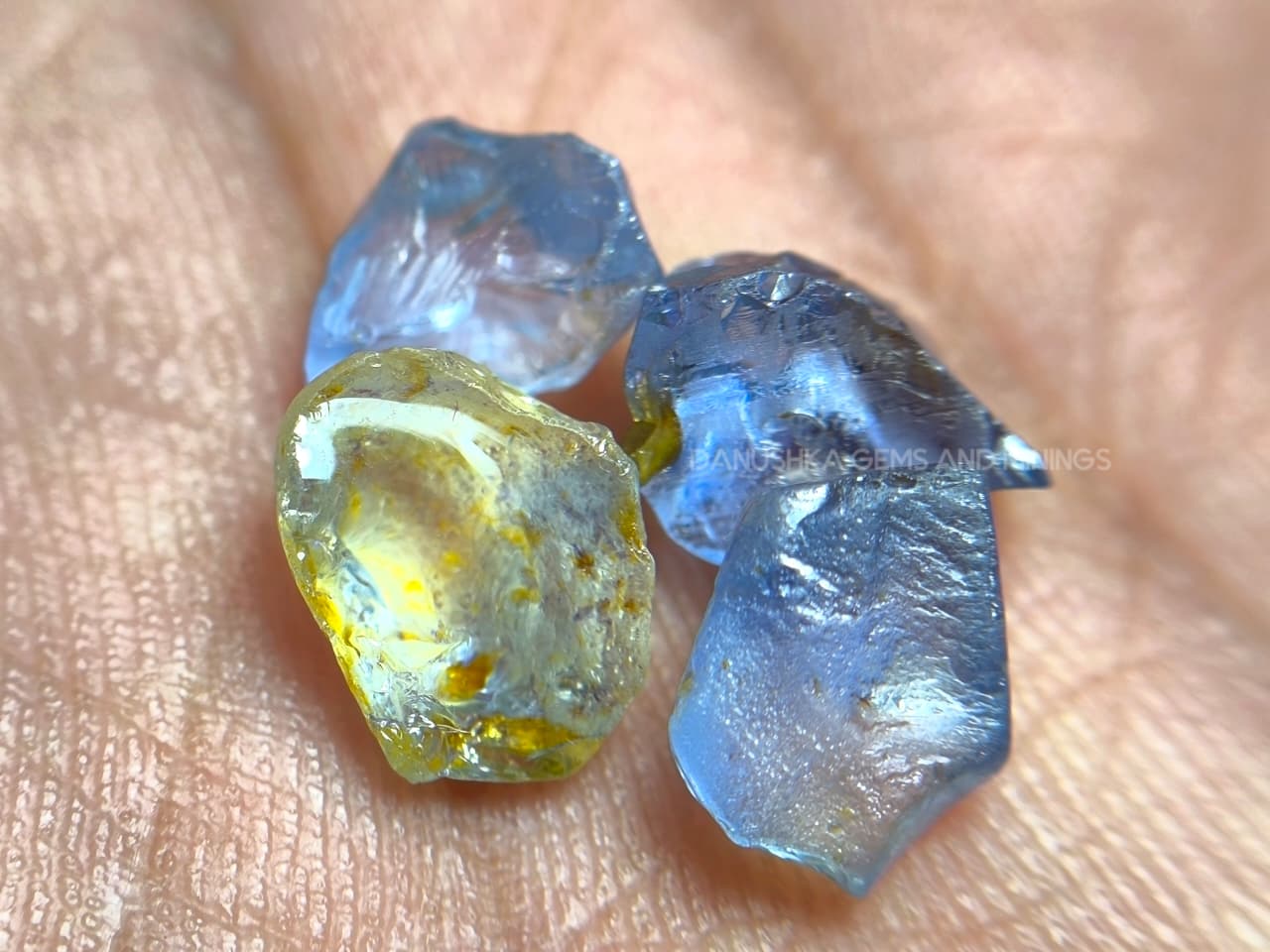
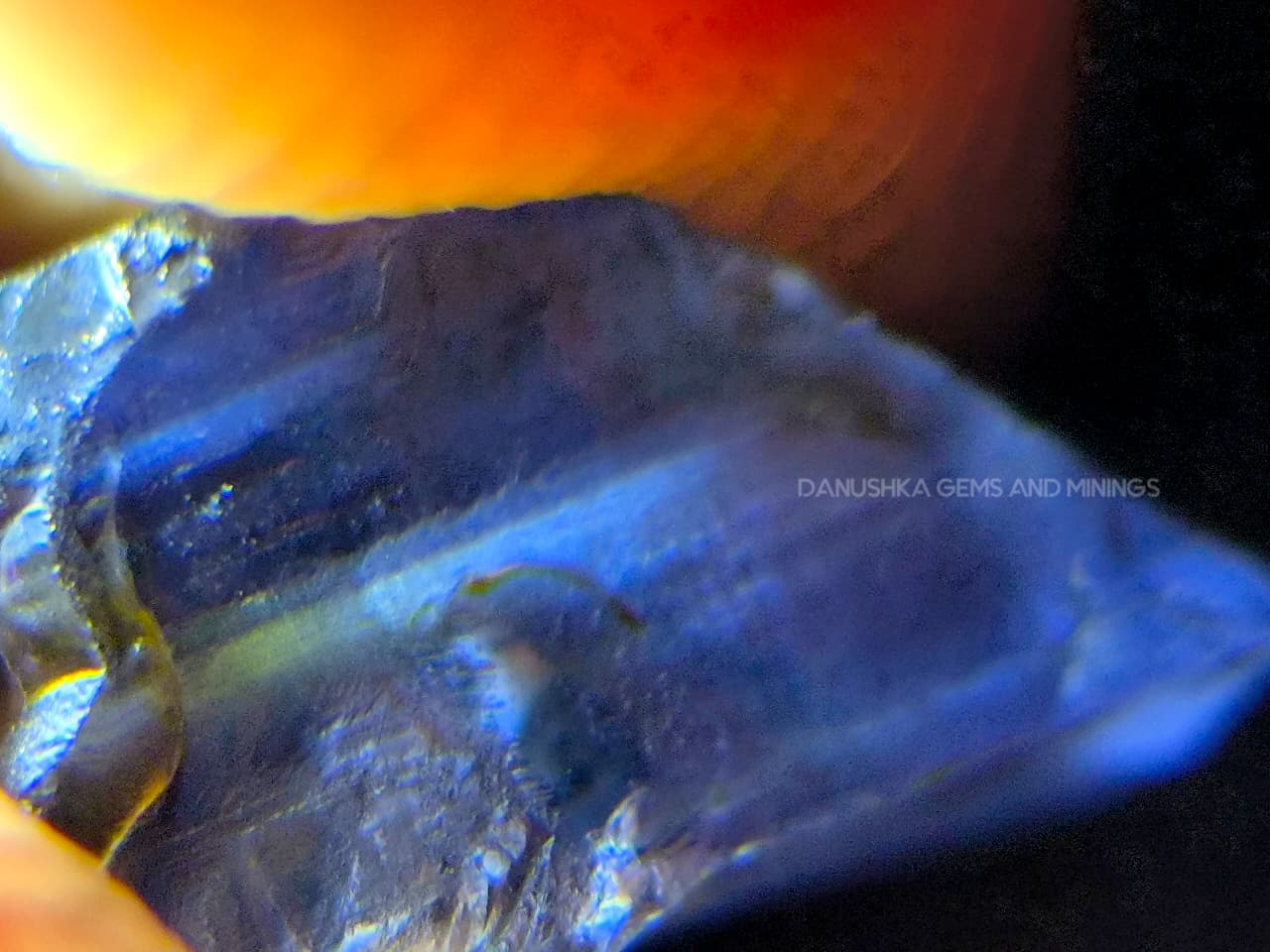
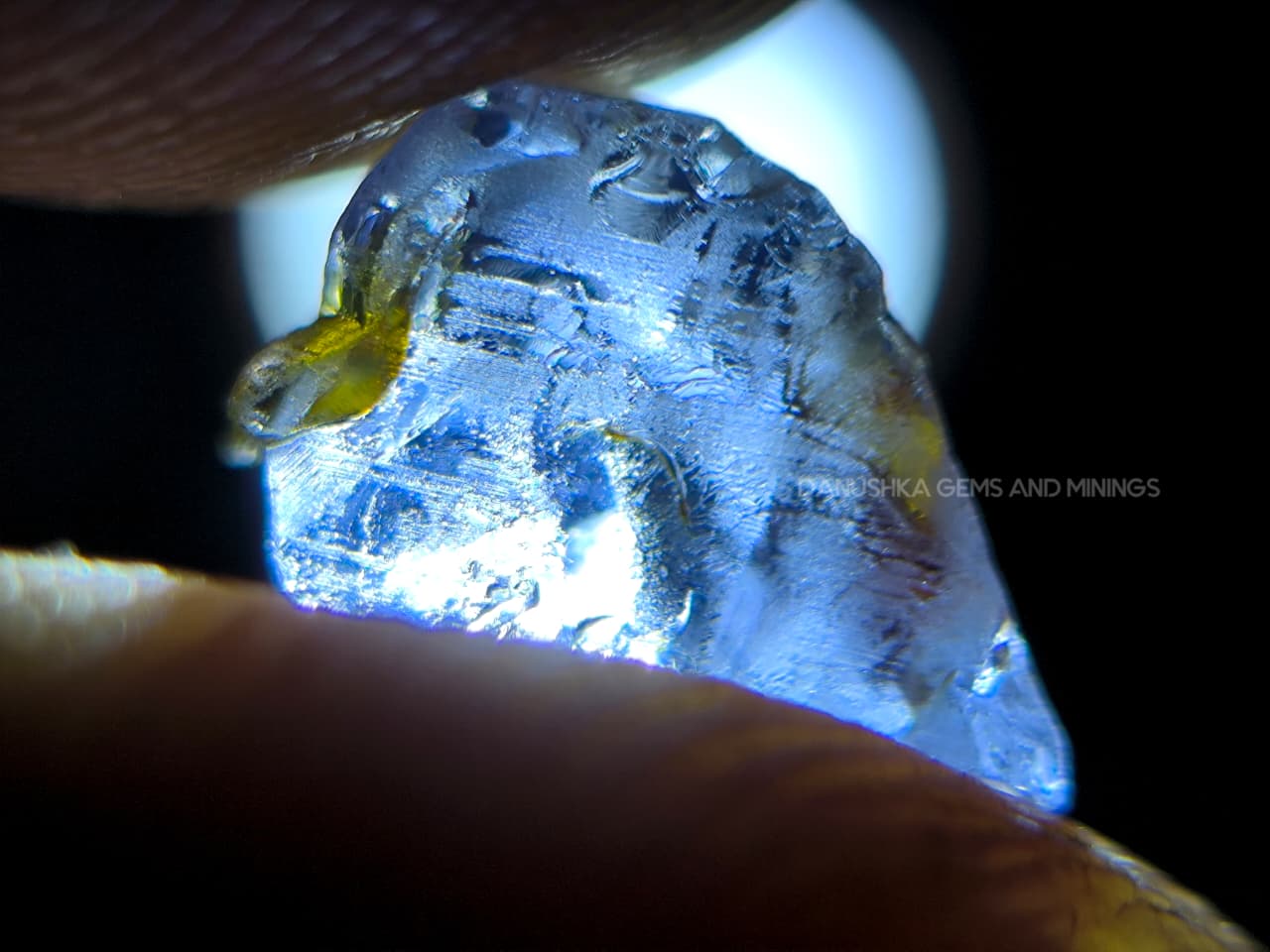
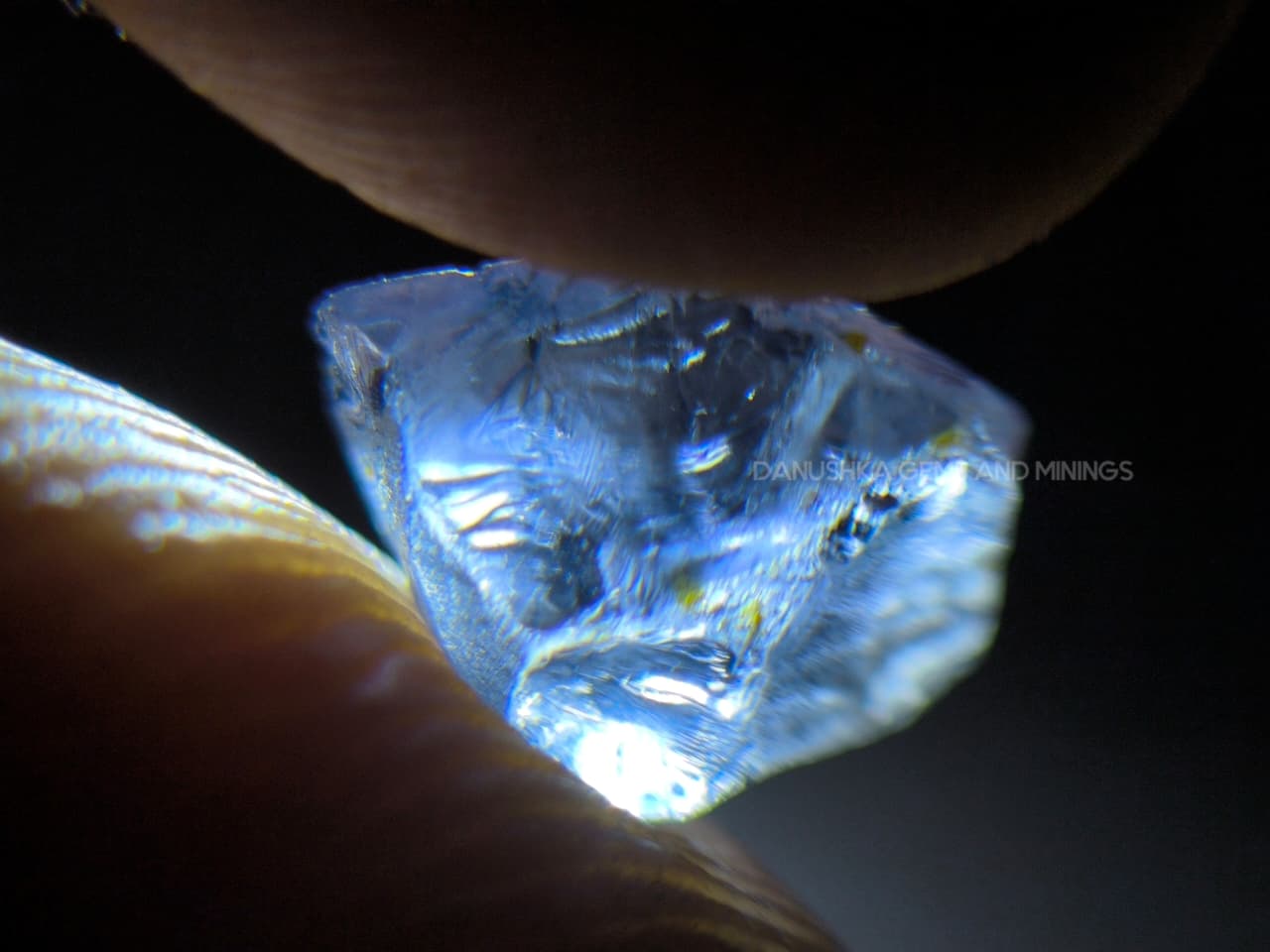
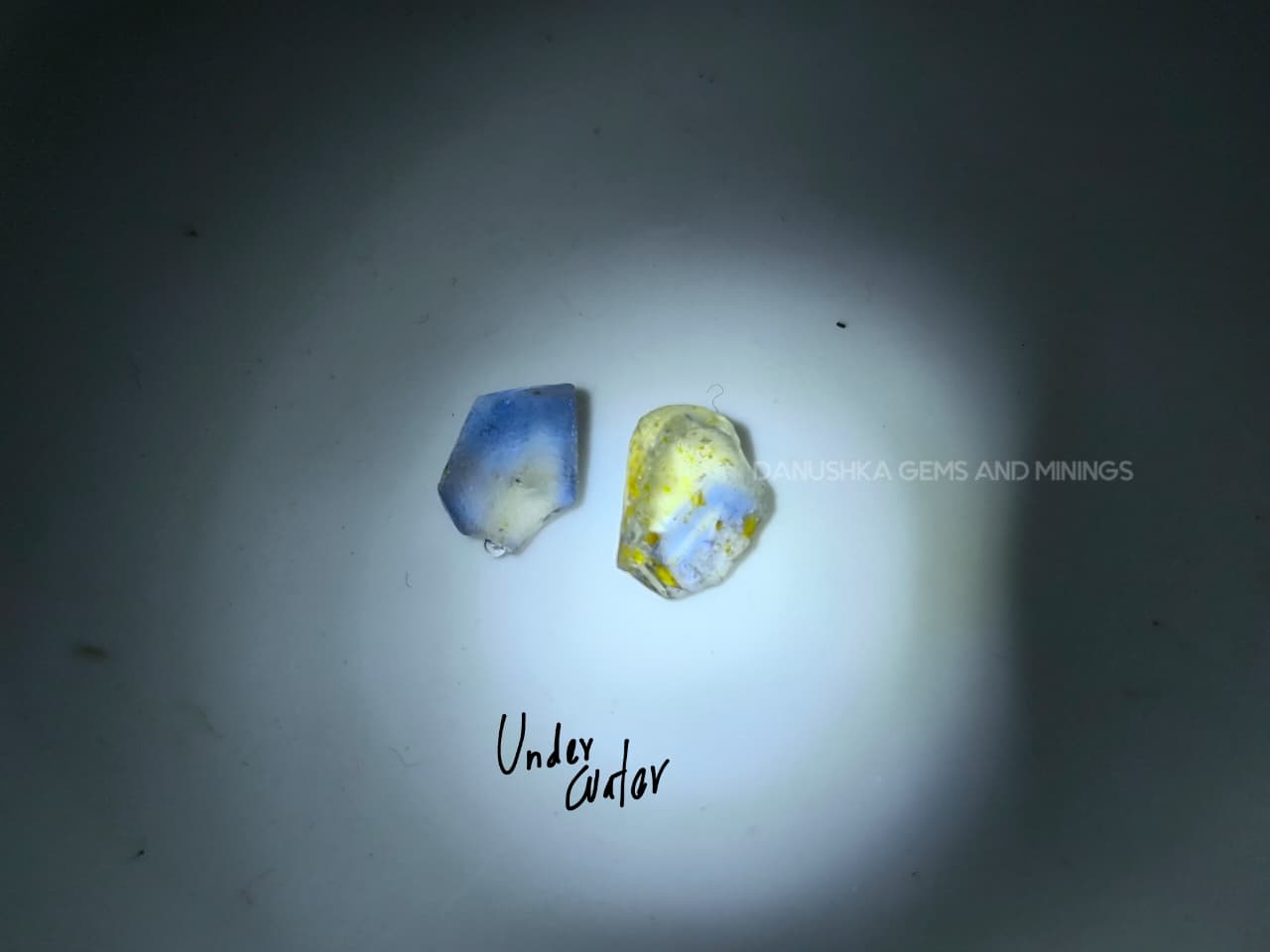
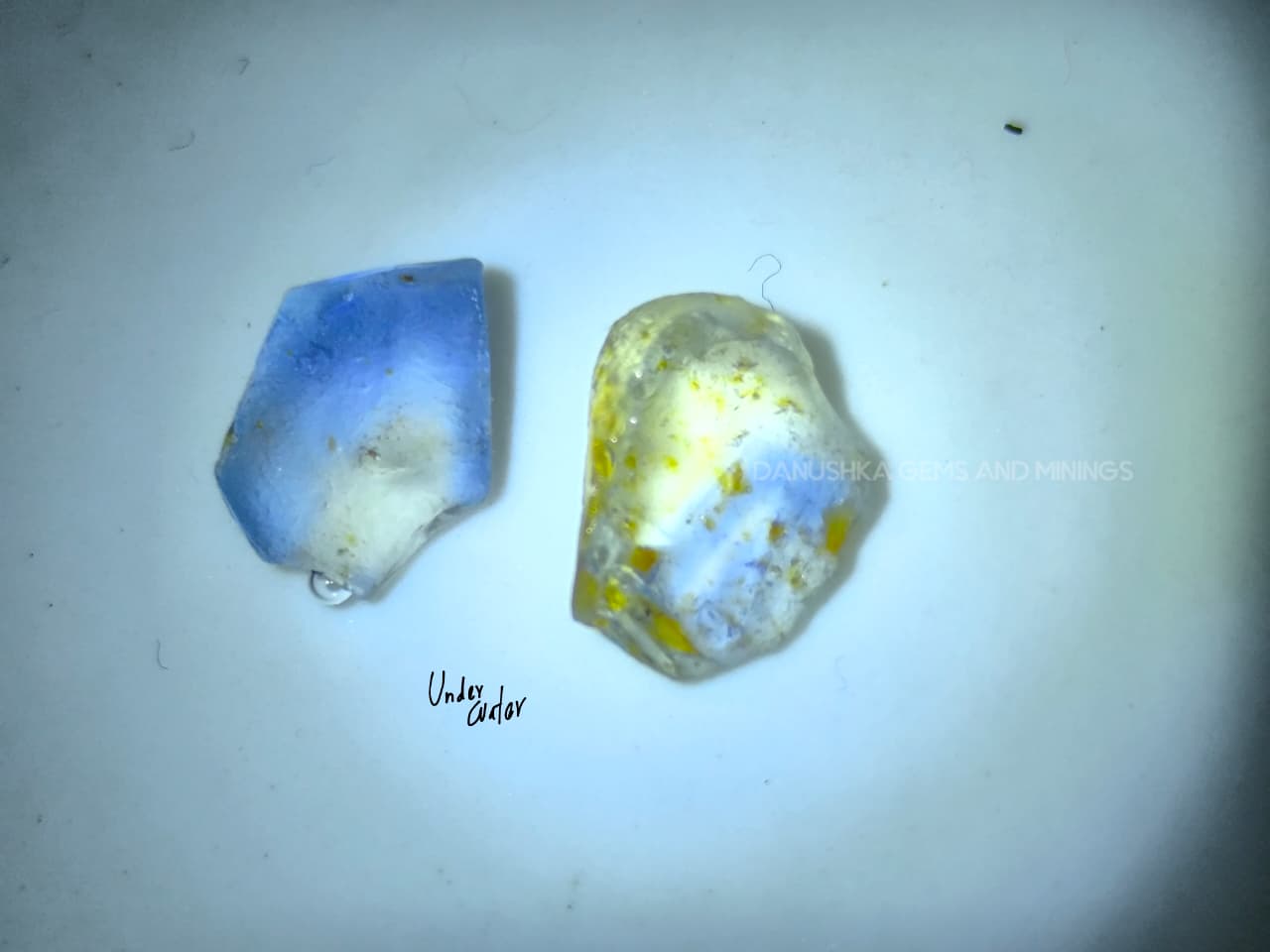
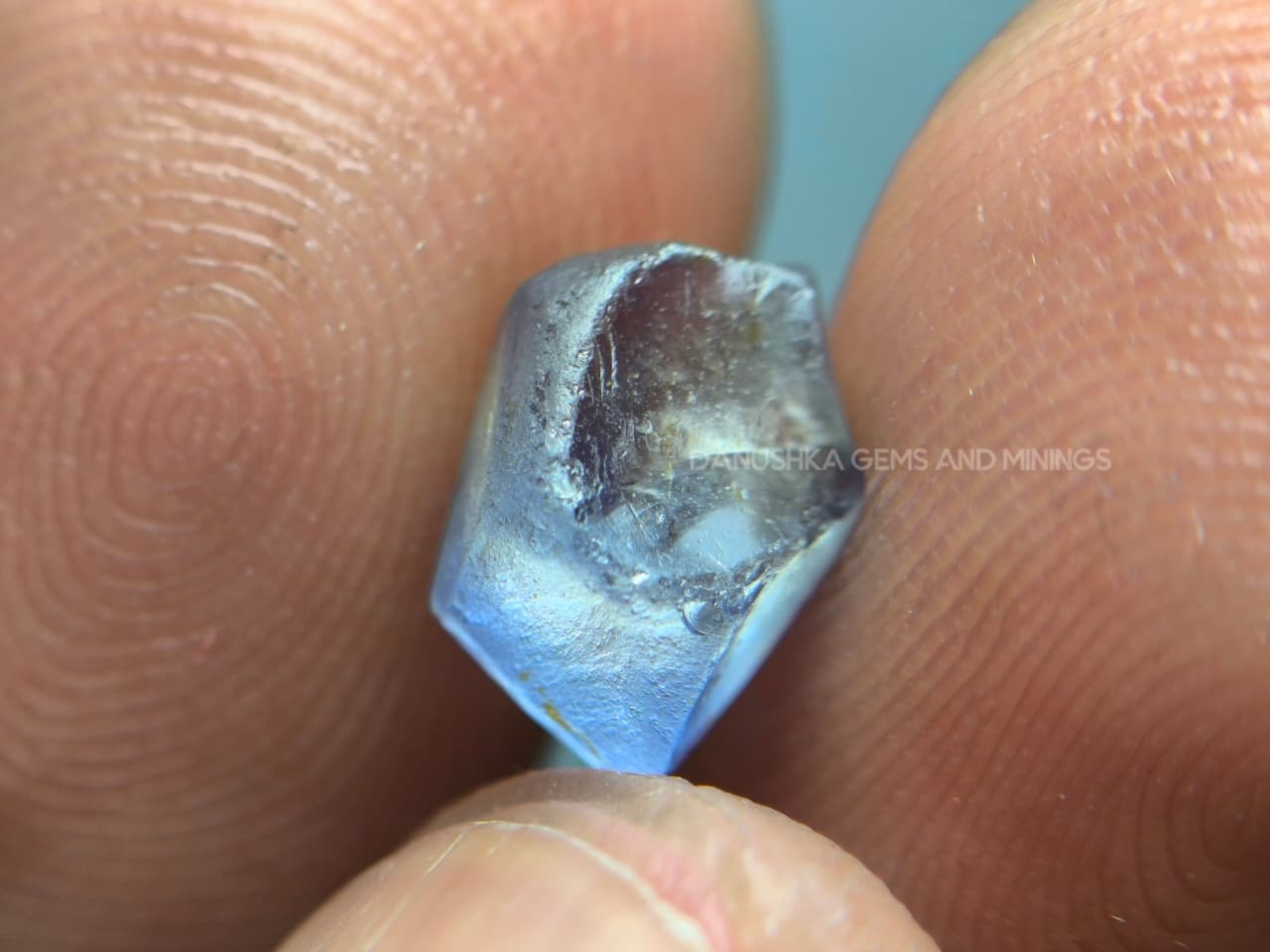
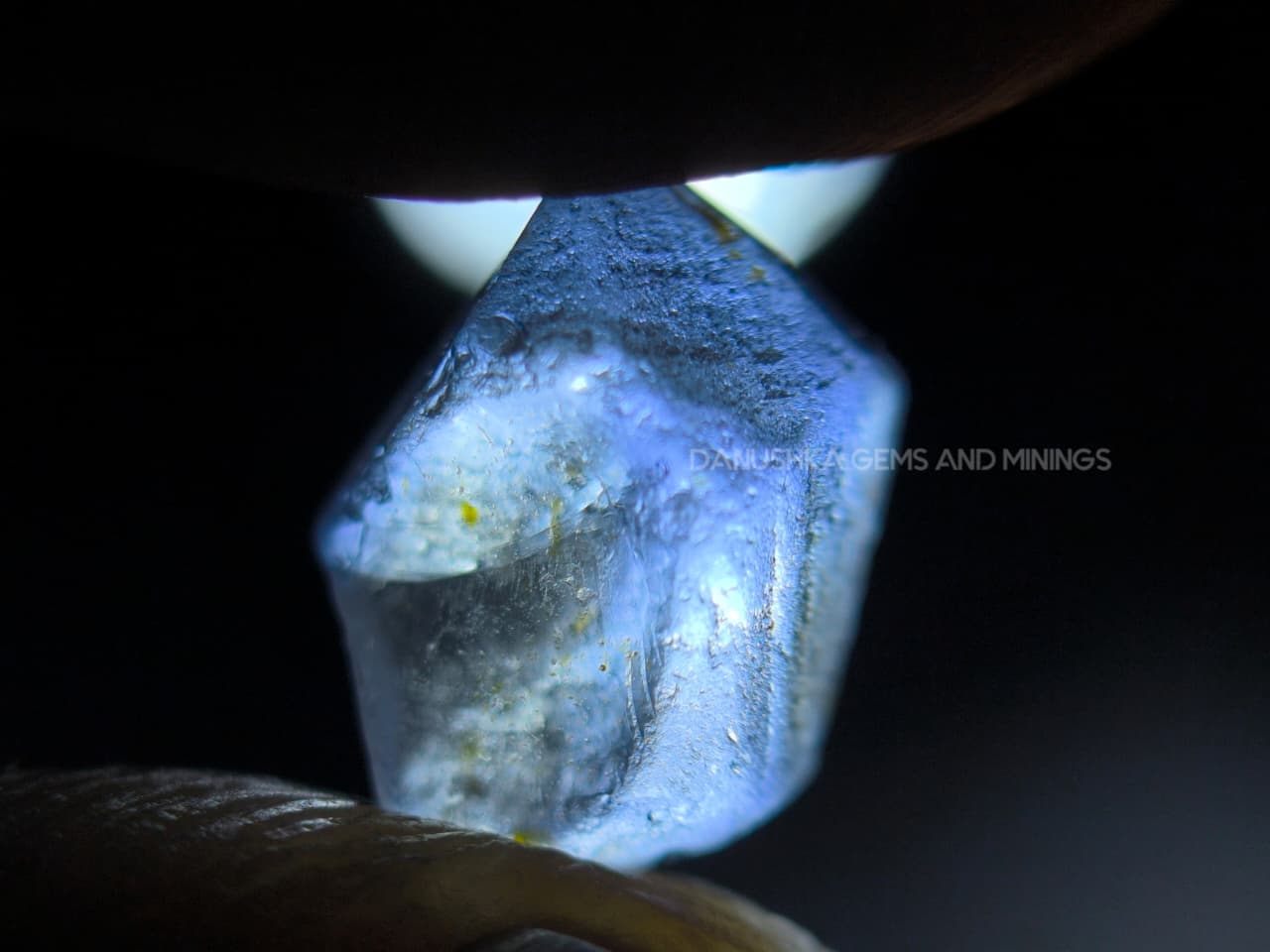
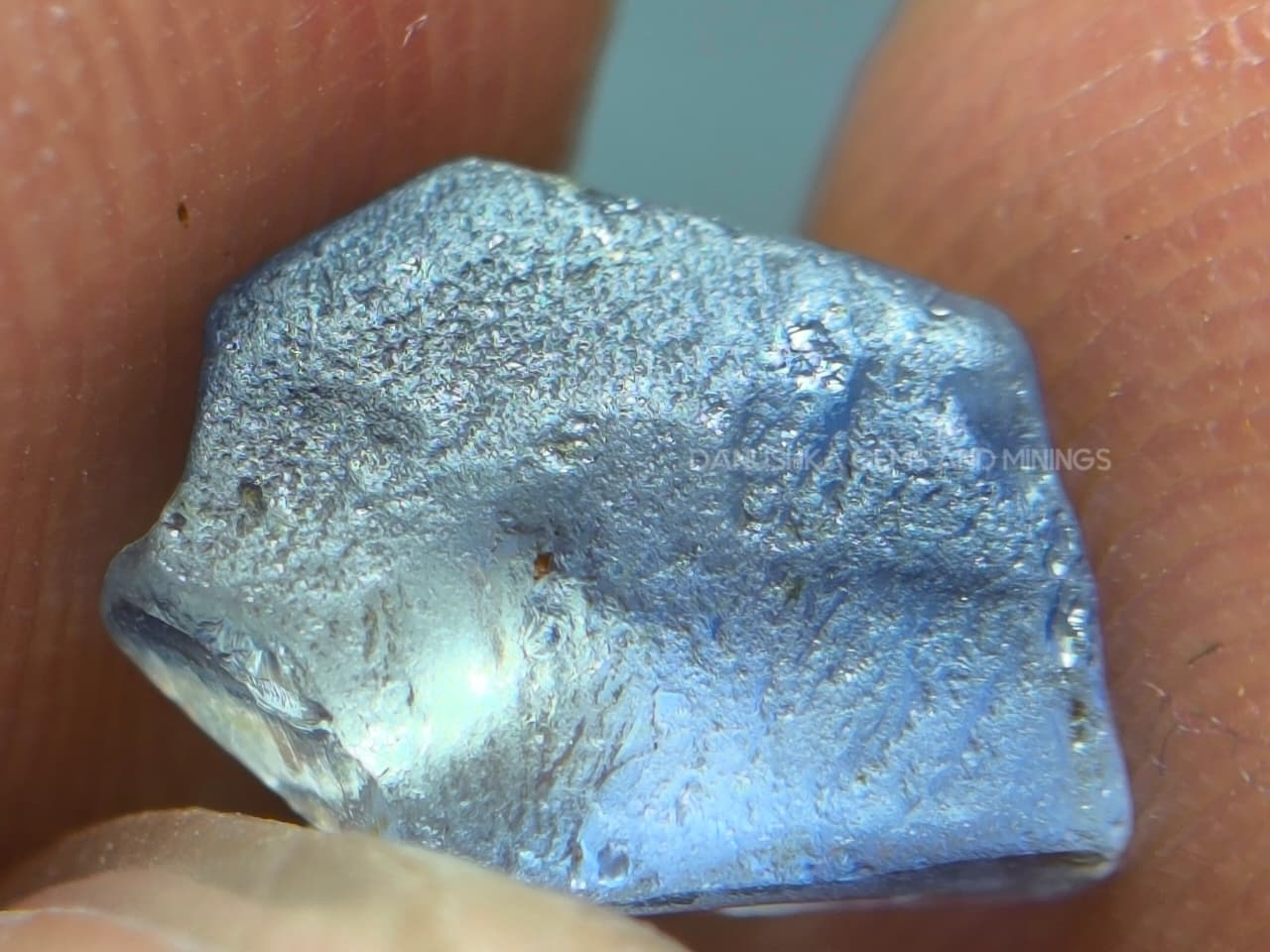
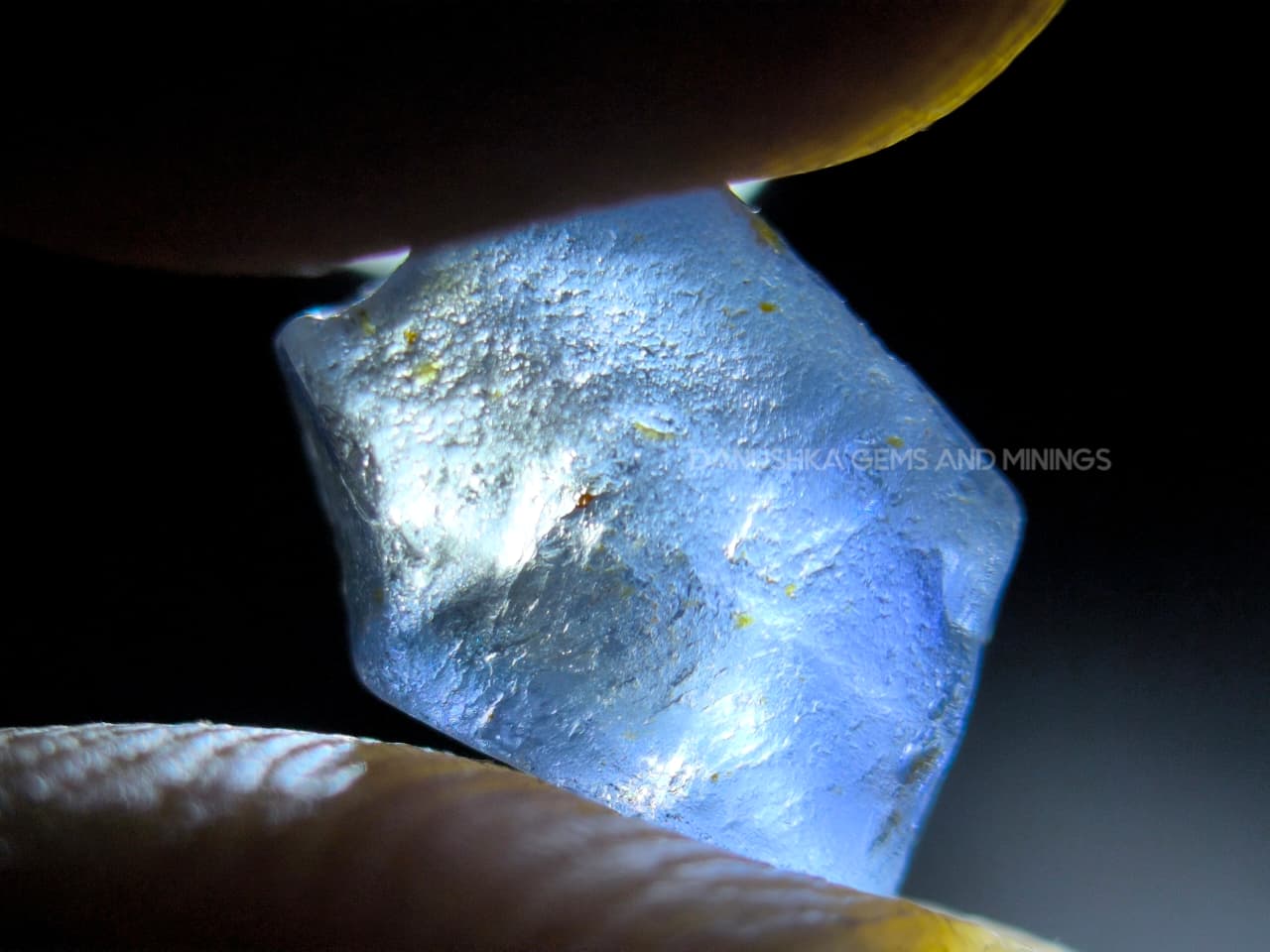
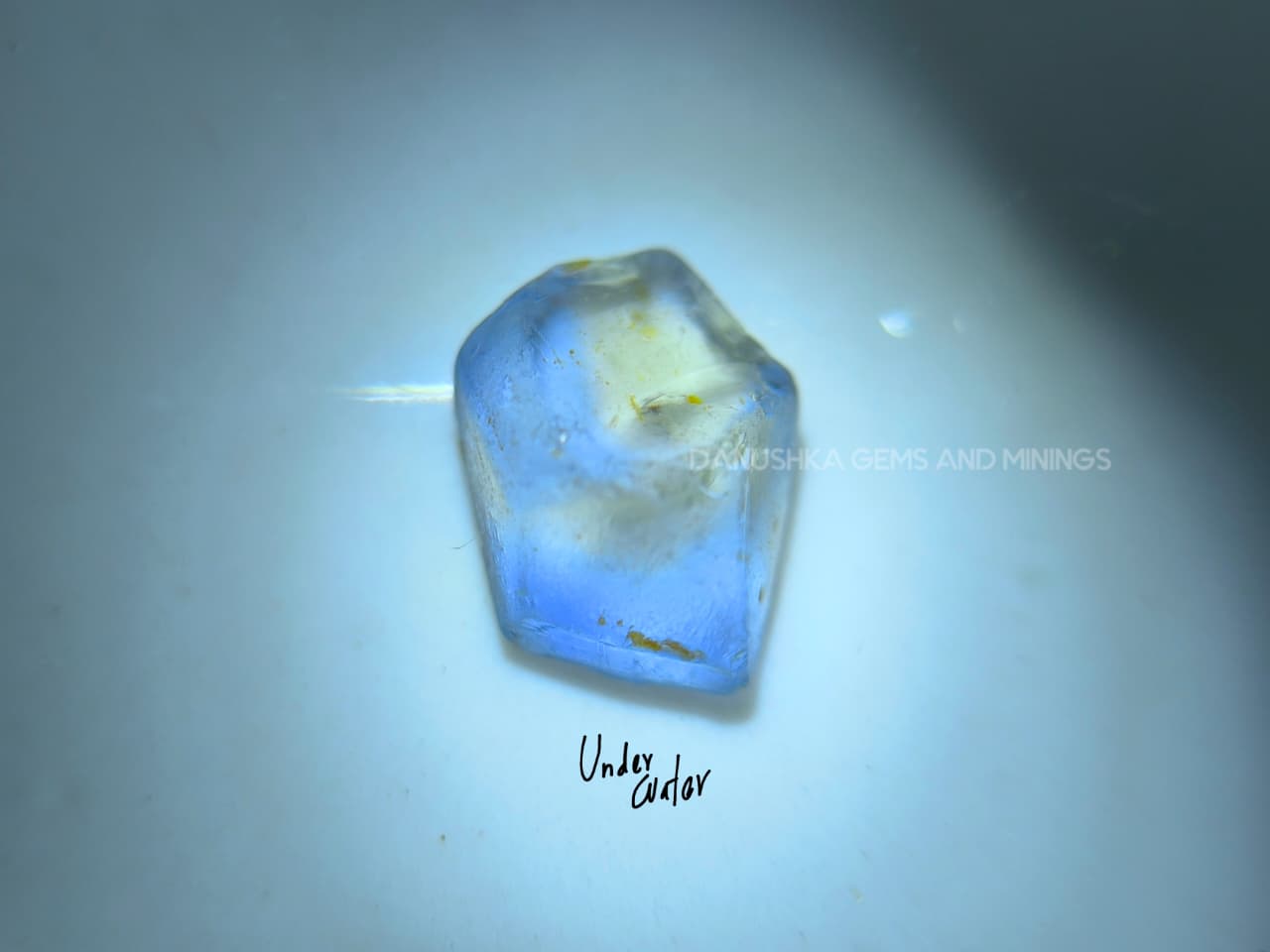
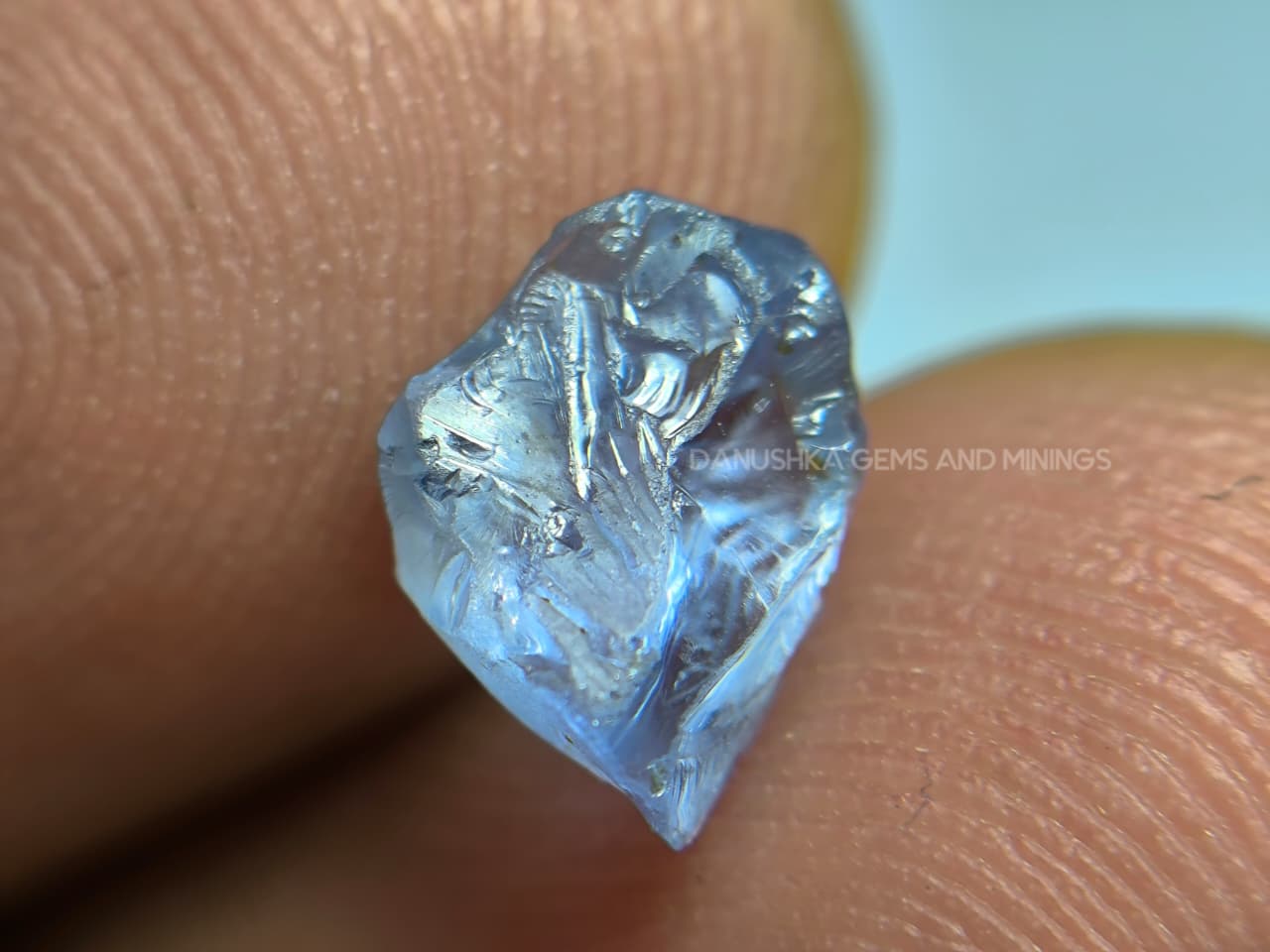
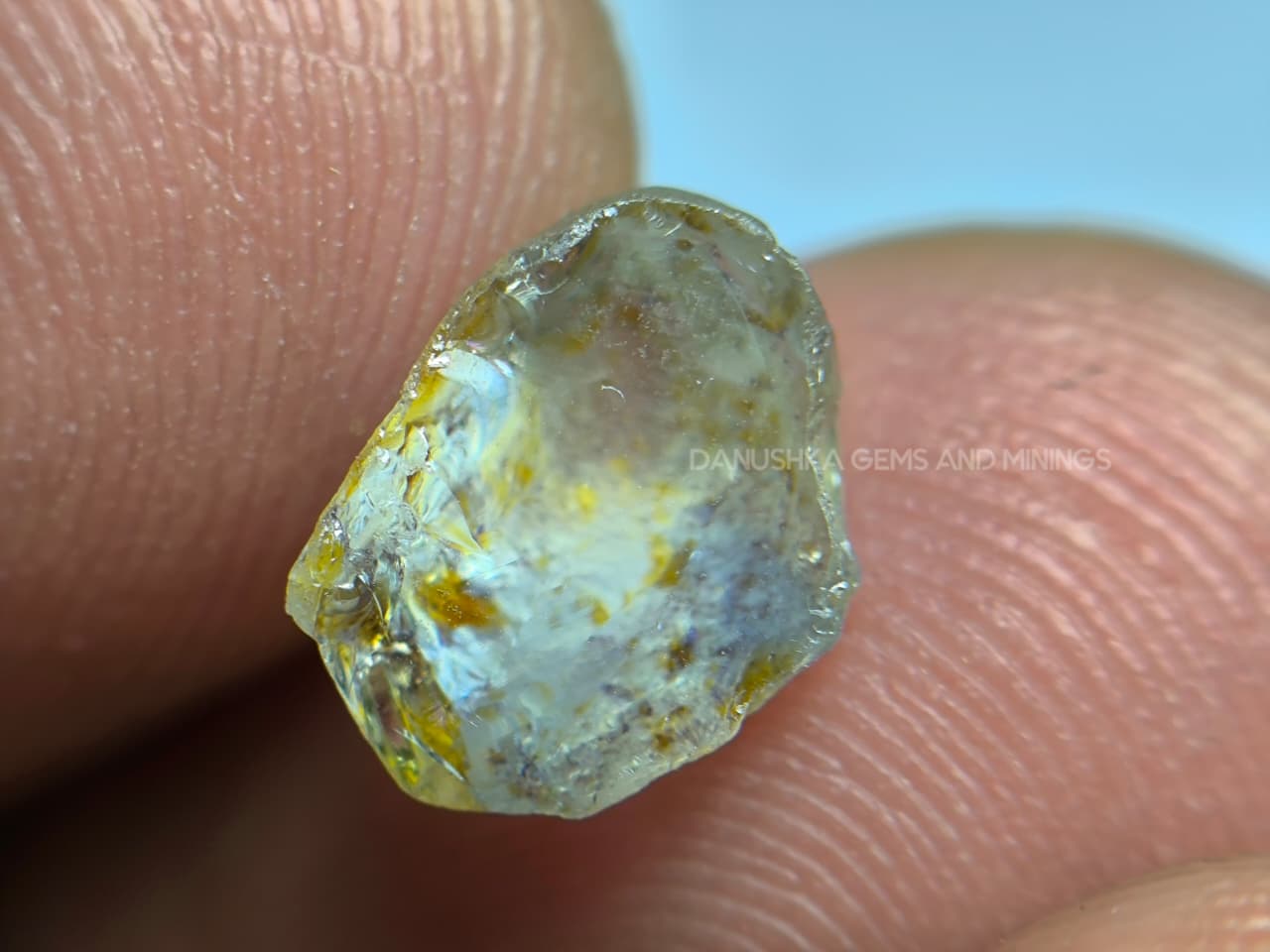
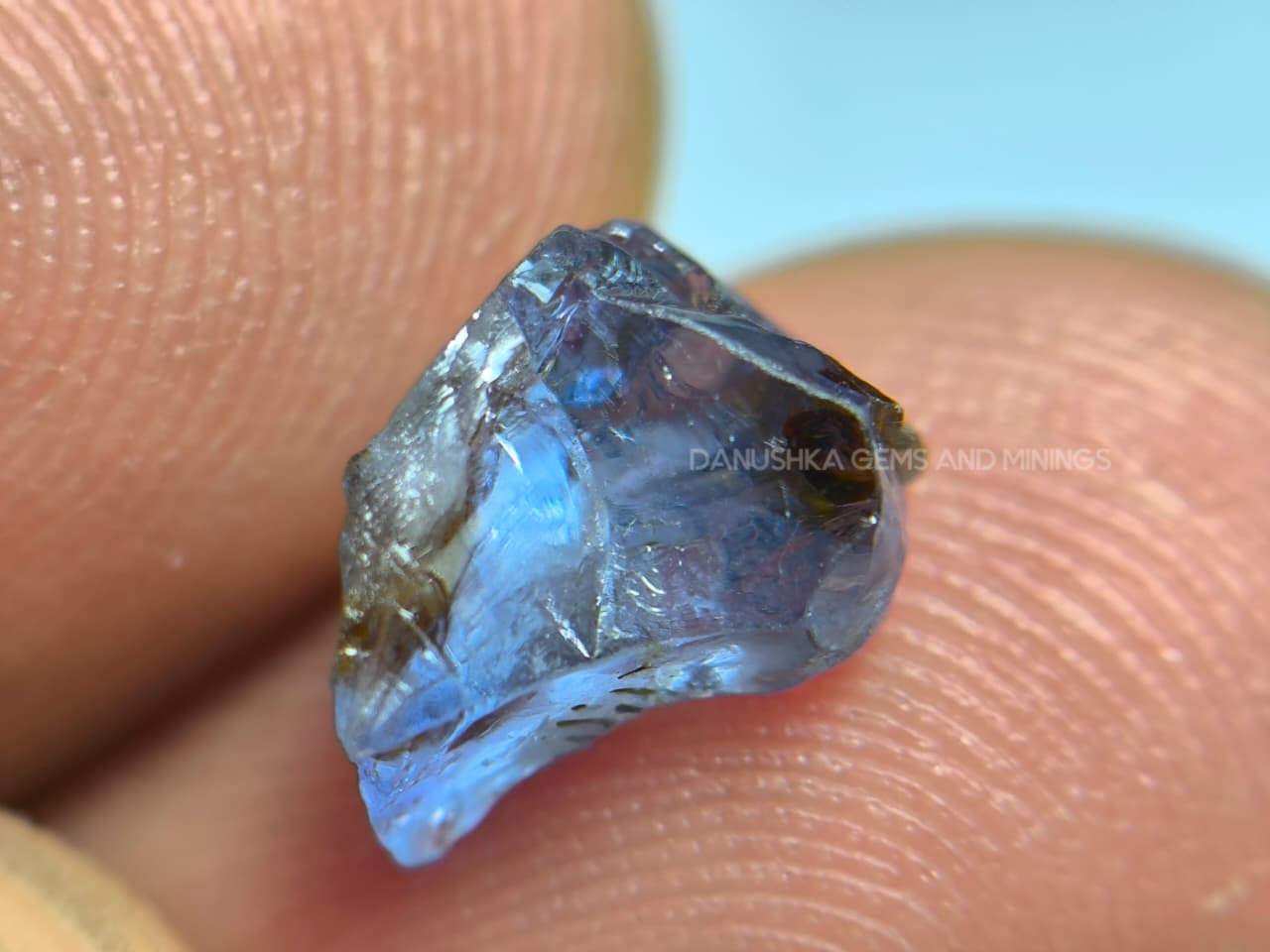
This parcel contains four facet-grade natural Ceylon sapphire rough stones weighing exactly 8.00 ct total, sourced from Elahera village around mining in Sri Lanka.
Individual weights are:
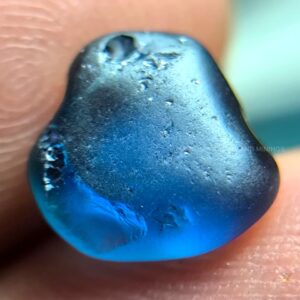
2.30 ct – Ottu-type sapphire
2.17 ct – Ottu-type sapphire
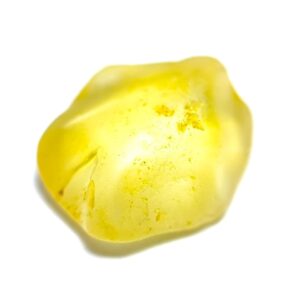
2.00 ct – Young geuda sapphire
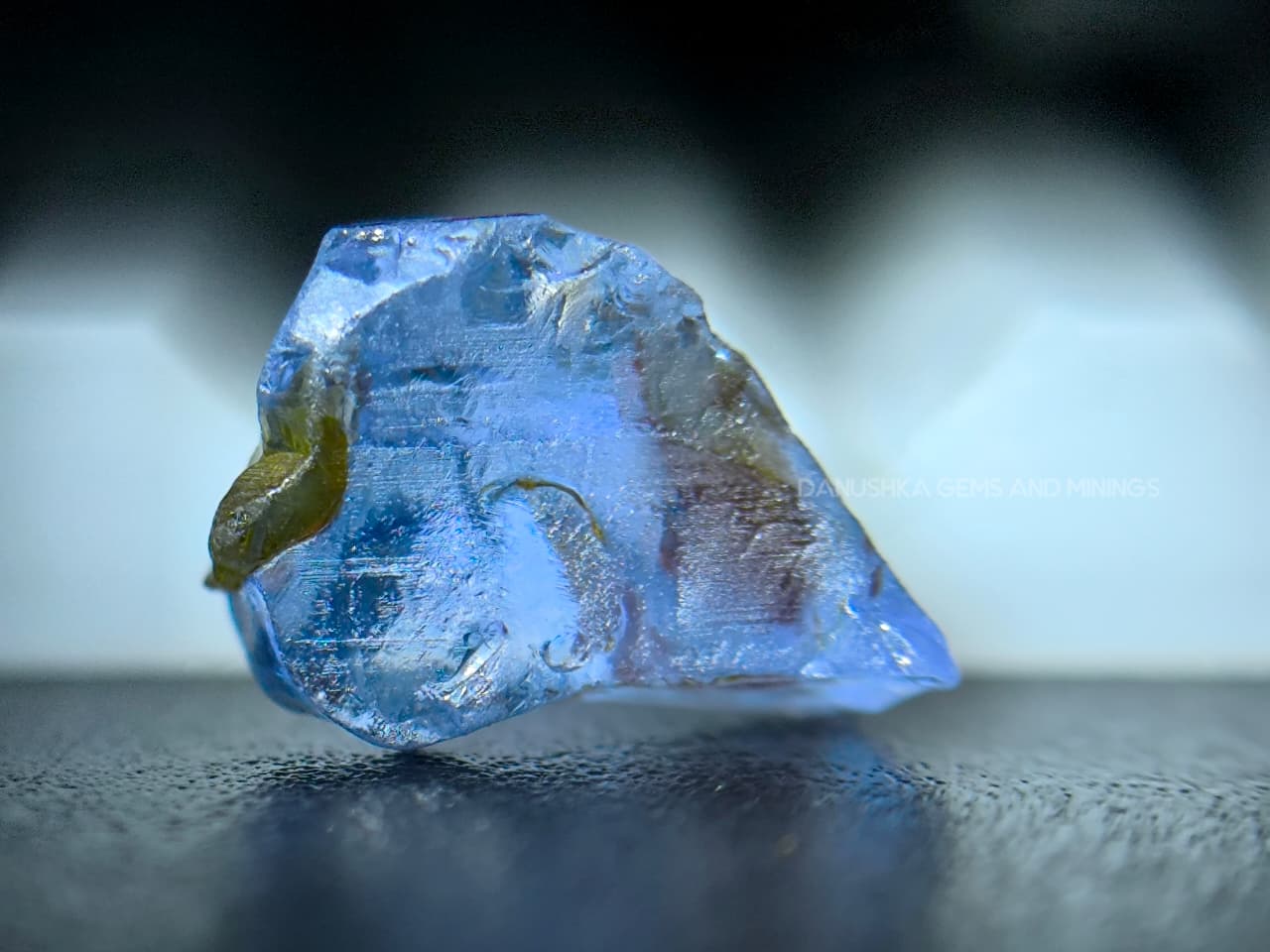
1.53 ct – Natural light-blue sapphire
All four stones are presently unheated and are described as clean-looking rough material.
Three stones—the two ottu pieces and the young geuda—have been selected for possible professional heat-treatment evaluation. The 1.53 ct light-blue sapphire is not intended for heating and can instead be evaluated as natural unheated cutting material.
Color & Visual Characteristics
The parcel shows pale to light blue sapphire appearances together with rough material whose final color potential cannot be judged only from external appearance.
The 1.53 ct stone already displays a visible light-blue body color and is intended to retain its natural unheated character.
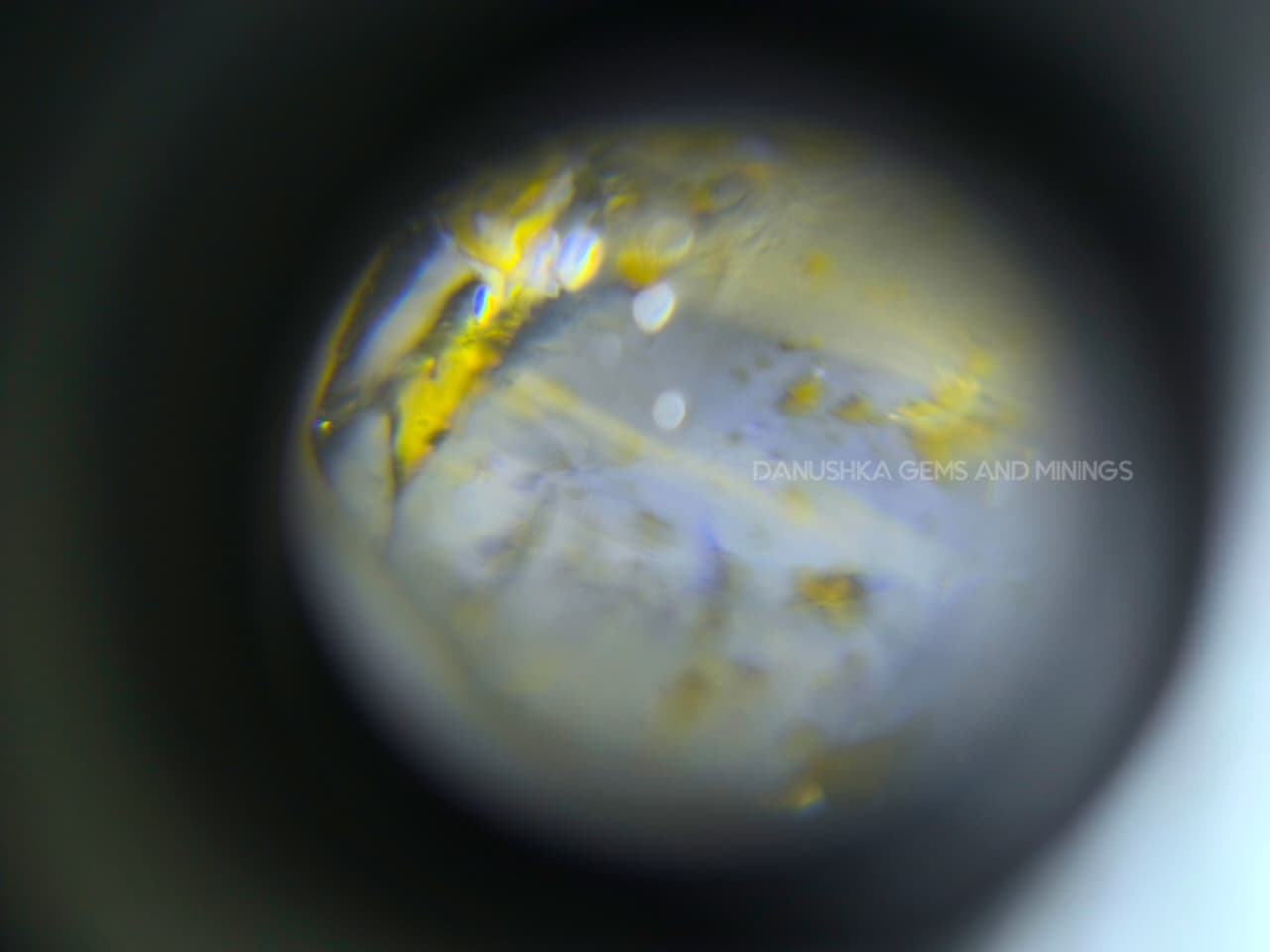
The ottu and young geuda pieces show the type of internal appearance that Sri Lankan buyers and heaters traditionally study when considering possible heat response. Their current visual condition should not be interpreted as a guarantee of stronger blue after treatment.
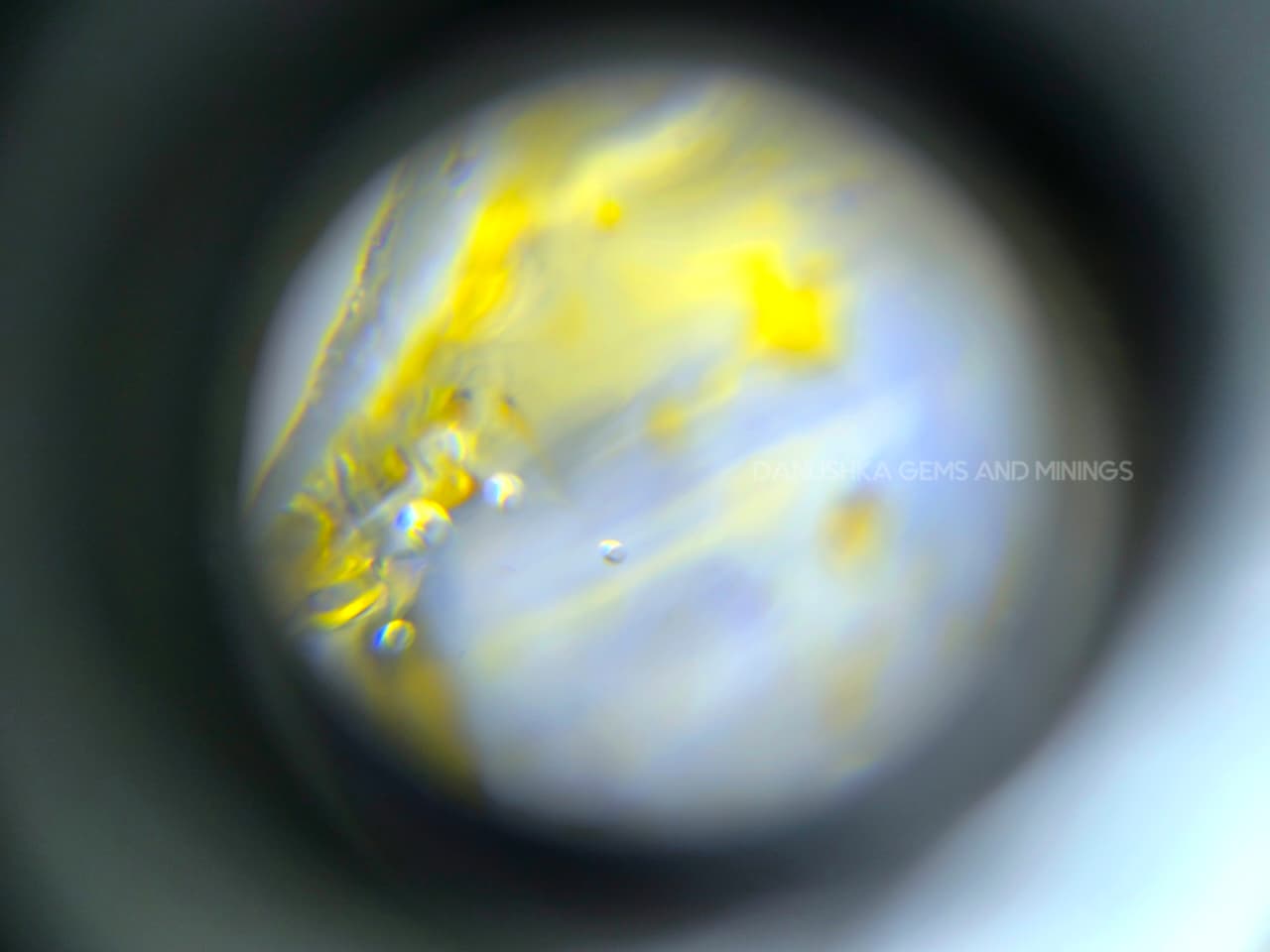
Depending on trace-element chemistry, crystal defects, silk, inclusions and heating conditions, sapphire may become deeper blue, lighter, clearer, differently toned or show limited change.
Internal & External Features
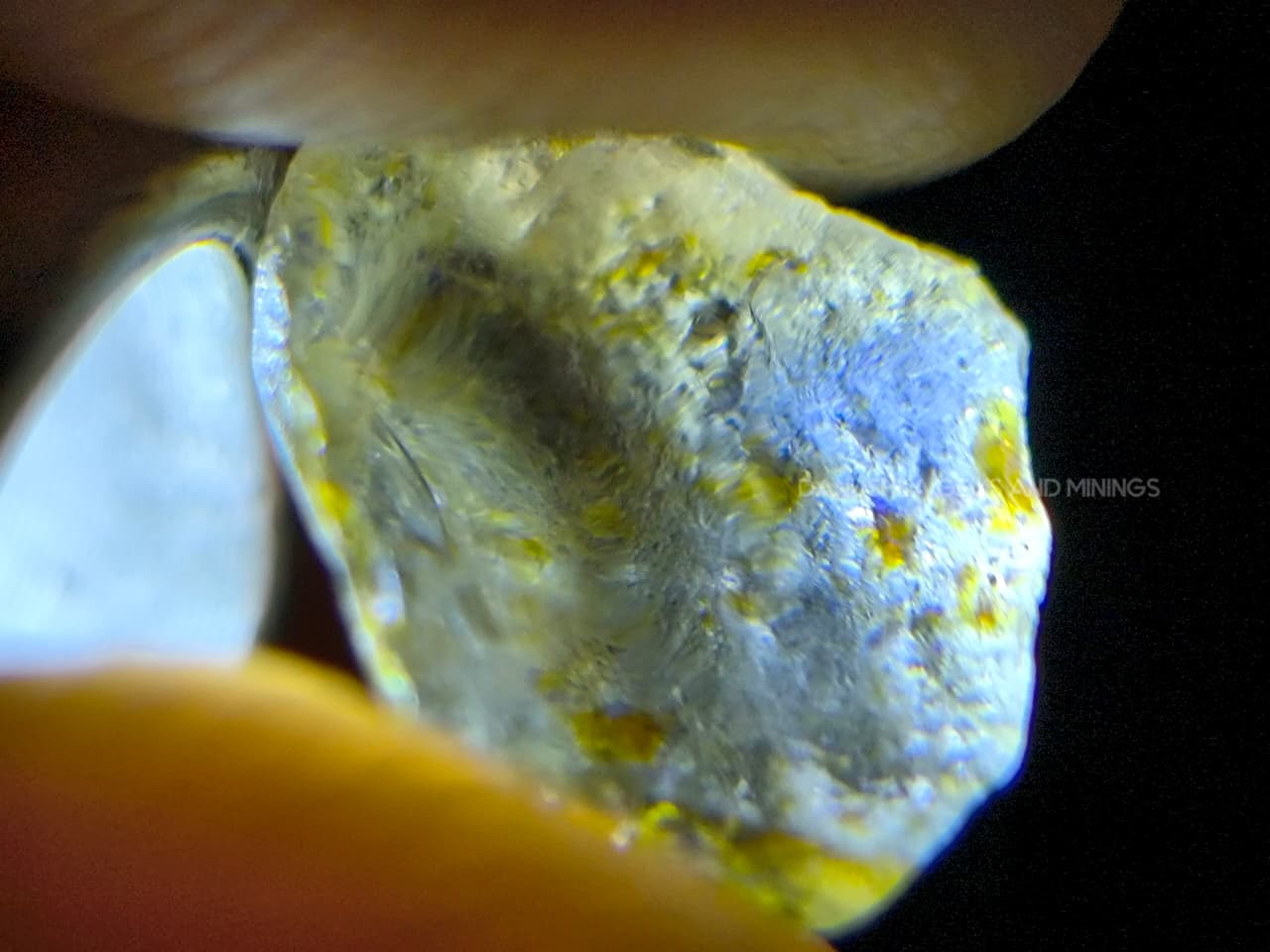
The stones retain natural rough surfaces and individual growth-related or alluvial characteristics.
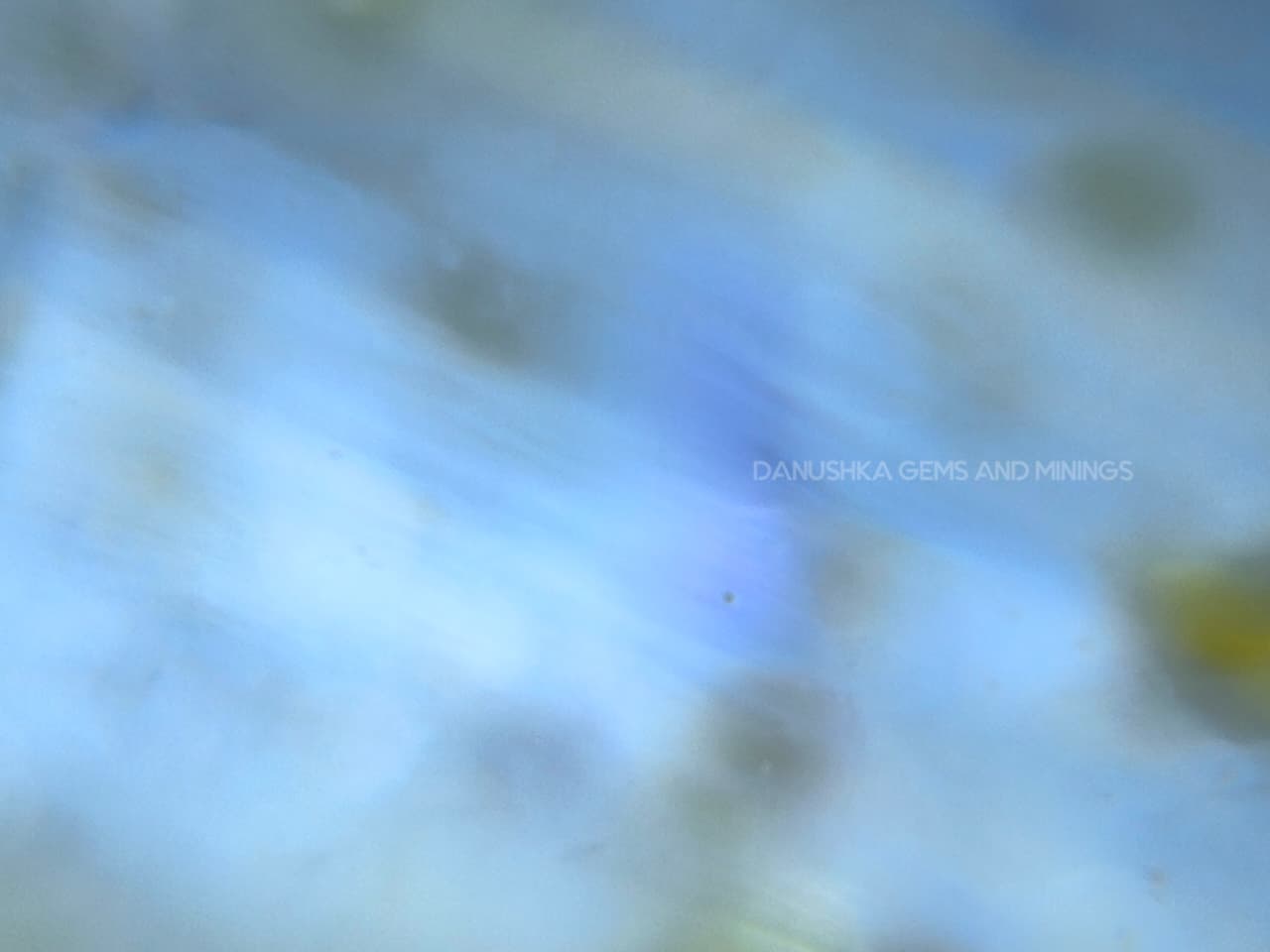
They are described as clean stones, but rough sapphire should still be examined carefully for:
Internal fractures
Silk and haze
Color zoning
Surface-reaching features
Crystal growth structures
Transparent cutting windows
Orientation
Usable depth
Possible heating risk
Ottu and young geuda are traditional Sri Lankan working classifications, not separate mineral varieties. All four stones remain corundum/sapphire.
Cutting, Specimen, or Treatment Potential
These stones are presented as facet-grade rough, giving them potential for professional cutting.
The 1.53 ct light-blue sapphire can be studied for cutting without heat treatment, with attention to orientation, depth, weight retention and face-up color.
The 2.30 ct and 2.17 ct ottu stones and the 2.00 ct young geuda may be evaluated for professional heating before or during the cutting strategy, depending on the heater’s assessment.
Heat treatment is never completely predictable. A stone may develop stronger color, become cleaner, lighten, change tone, show little improvement, or in some cases be damaged. Therefore, Danushka Gems & Minings does not guarantee a specific finished color or final weight before treatment and cutting.
Source & Ethical Position
Danushka Gems & Minings works through Sri Lankan gemstone-producing areas and direct local sourcing networks rather than relying only on conventional gem-market inventory.
This parcel was sourced from Elahera village around mining in Sri Lanka and represents the type of material that requires practical evaluation at rough stage—considering natural color, structure, treatment potential and cutting possibilities before deciding the next step.
Our approach is to explain the condition of each stone realistically and separate current facts from possible outcomes, especially when heat treatment is being considered.
Frequently Asked Questions
The four stones weigh exactly 8.00 ct total.
Ottu is a traditional Sri Lankan trade classification used for certain sapphire rough based on its internal appearance and expected behavior. It is not a separate mineral species.
Young geuda is another Sri Lankan trade term for sapphire rough that may show characteristics considered potentially responsive to professional heating.
No. All four stones are currently unheated. Three are being considered as potential heating material.
No. Their response depends on internal chemistry, inclusions, structure and heating conditions. A specific result cannot be guaranteed.