| Weight | 10.20 ct |
|---|---|
| Grade | Facet Grade |
| Pieces | 5 pcs |
| Variety | Sapphire Rough |
| Treatment | unheated |
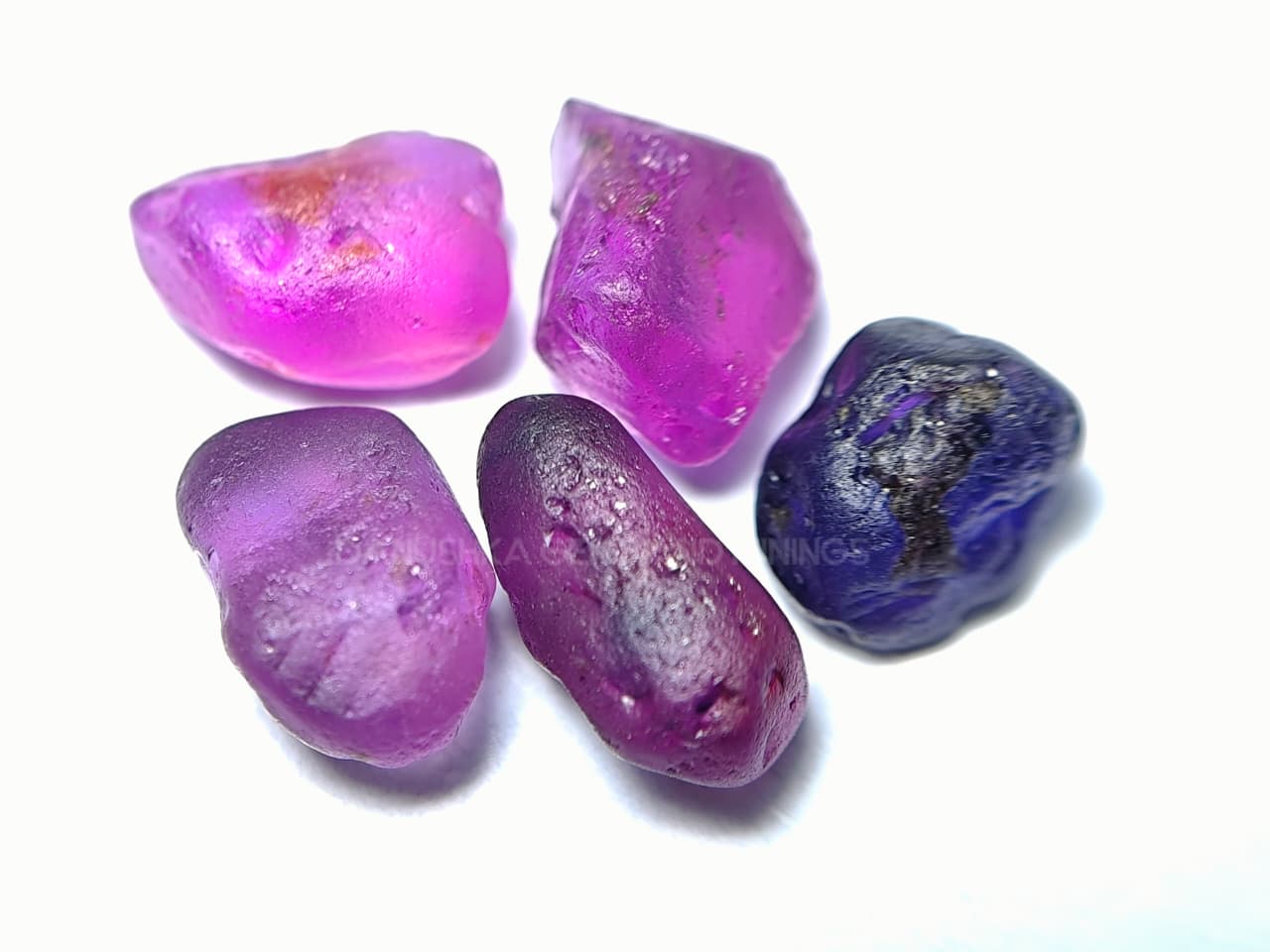
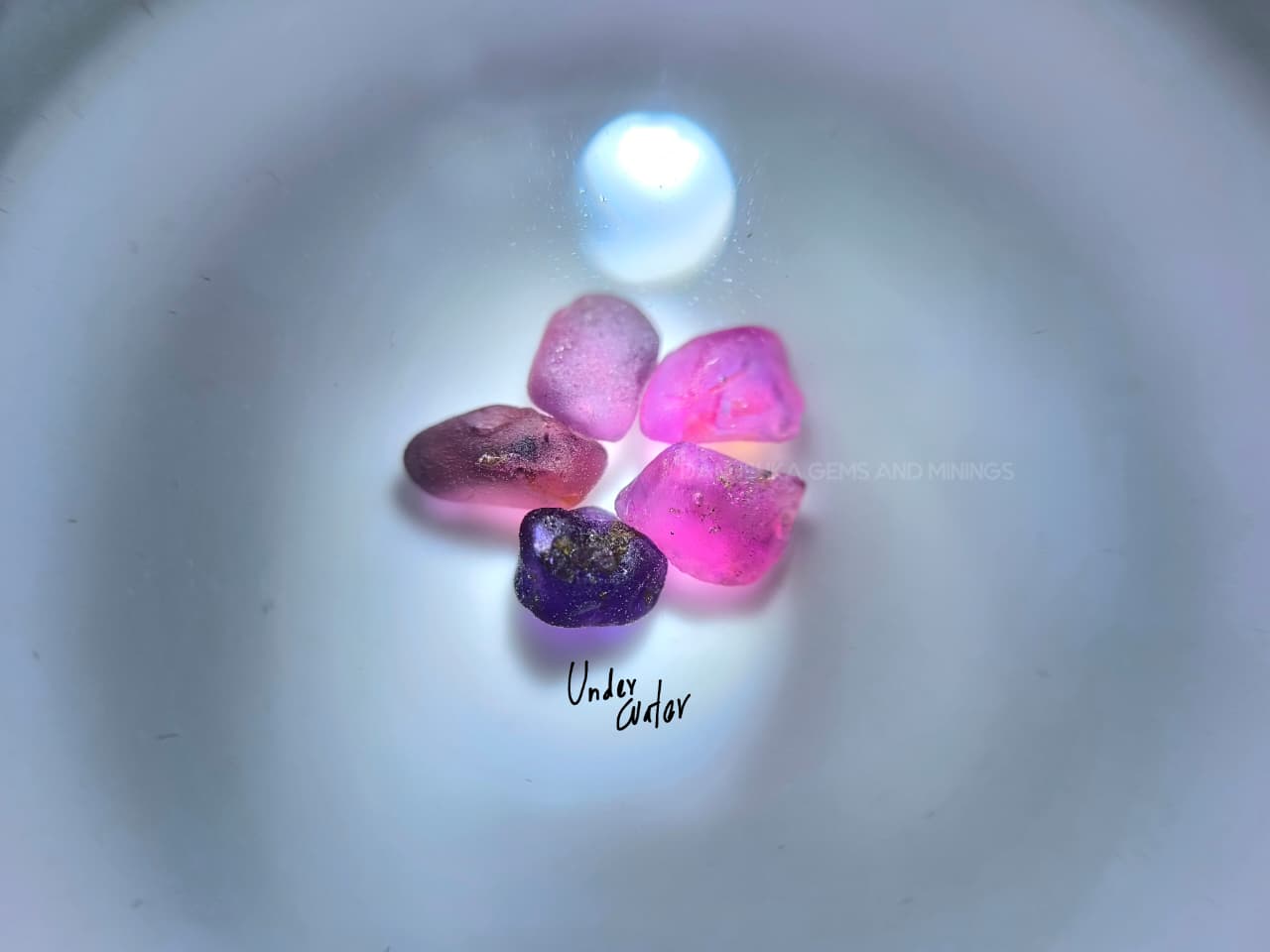
| Color | purple, pink, purplish pink, hot pink, and pink with a blue color band |
| Weight Range | 1.80 ct, 2.05 ct , 2.30 ct , 2.00 ct, 2.05 ct |
| Dimensions | 6.9 × 5.7 × 4.5 mm, 7.8 × 5.8 × 4.8 mm, 7.9 × 5.5 × 4.5 mm, 8 × 5.8 × 4.4 mm, 9 × 4.7 × 4.5 mm |
| Mining Location | Kahawatta village around mining in Sri Lanka |
Sold out!


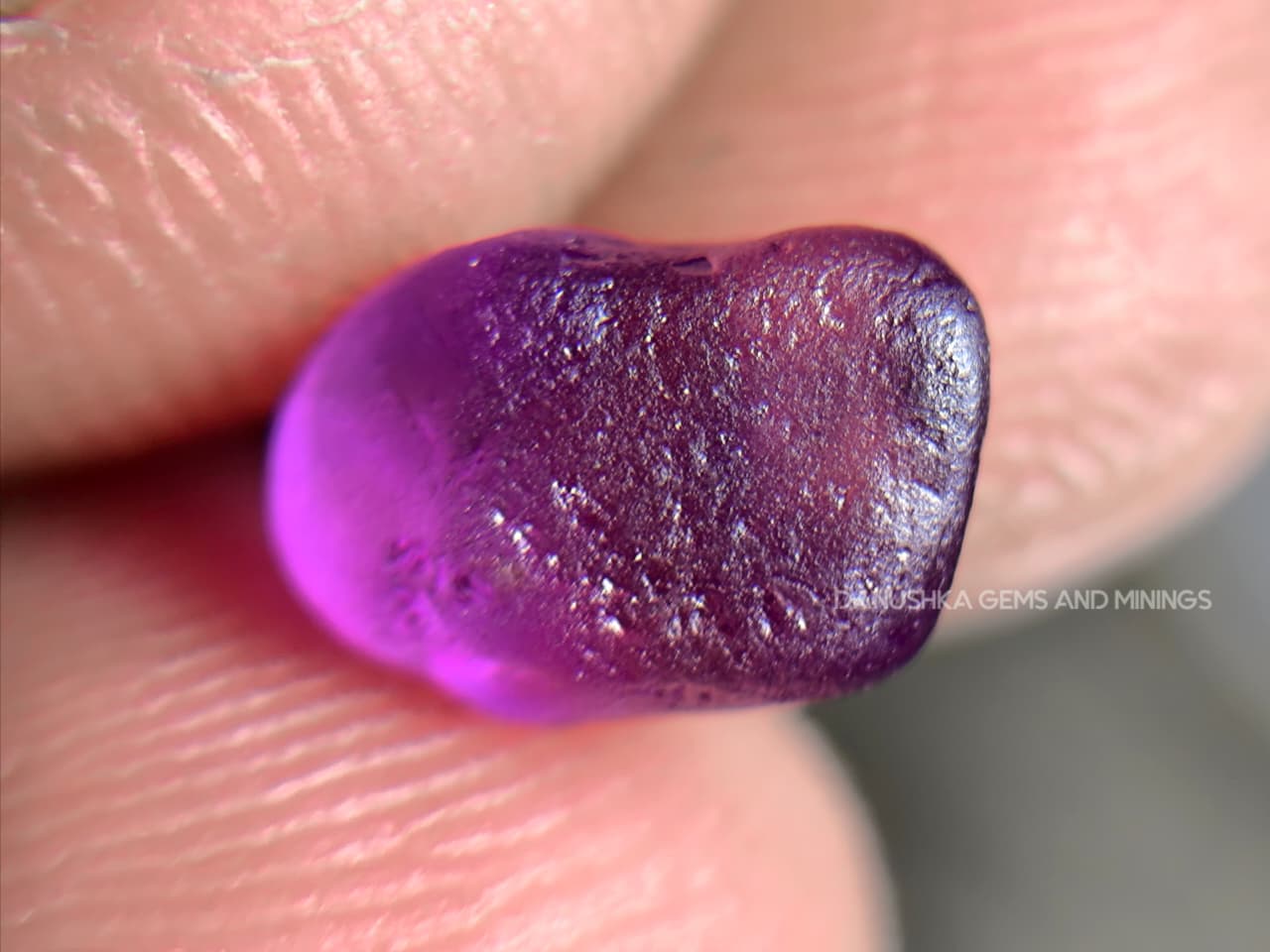
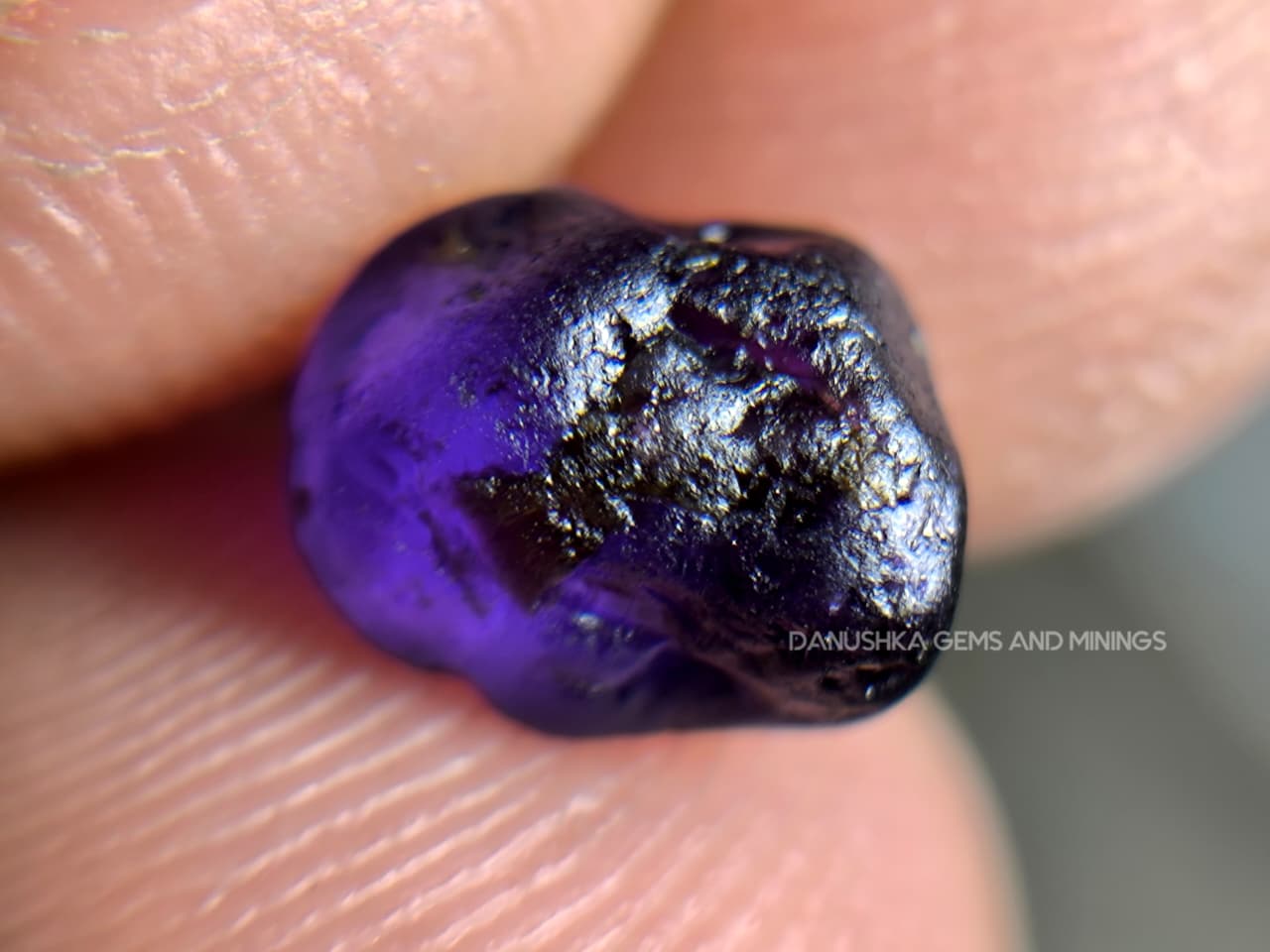
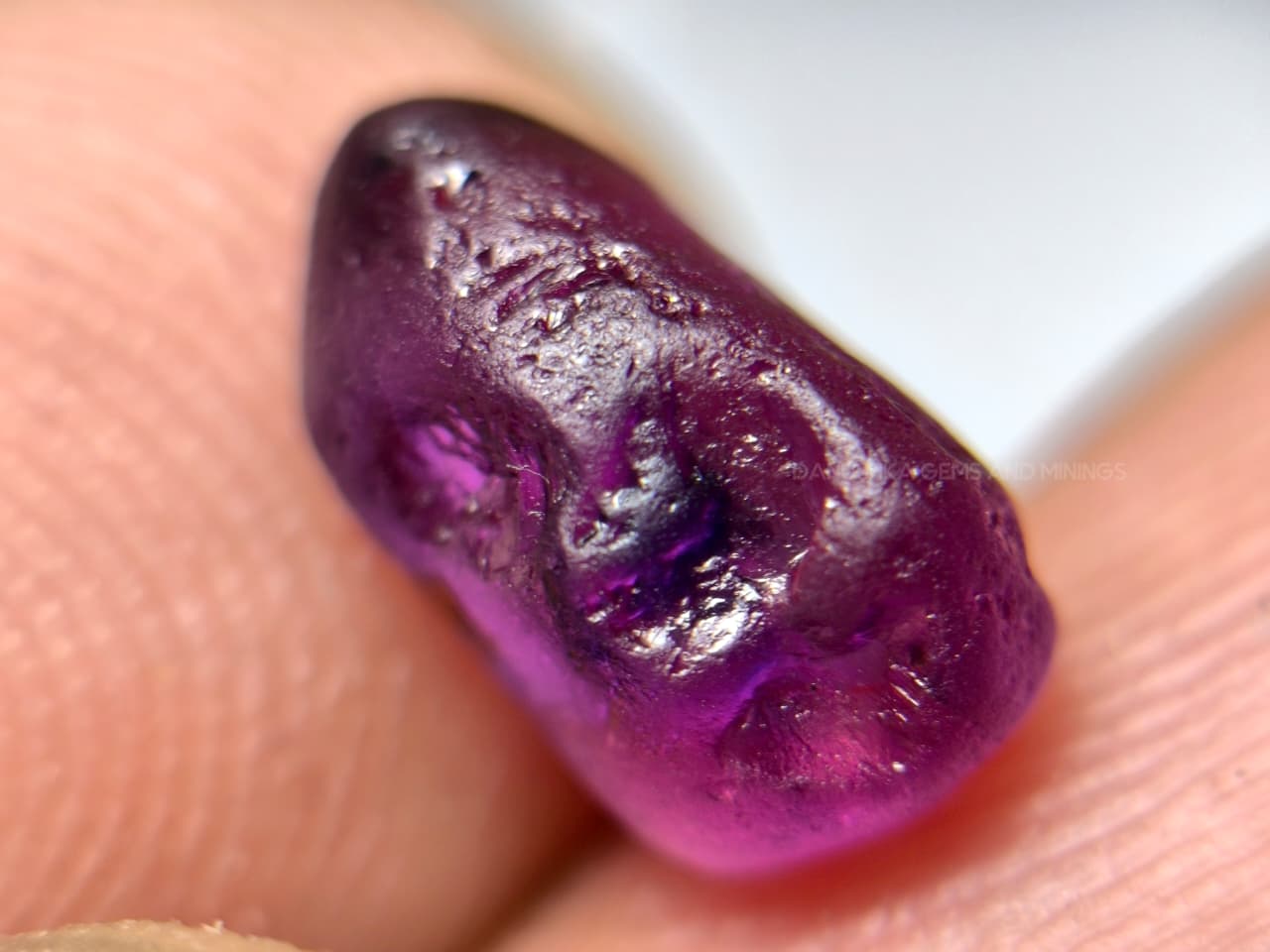
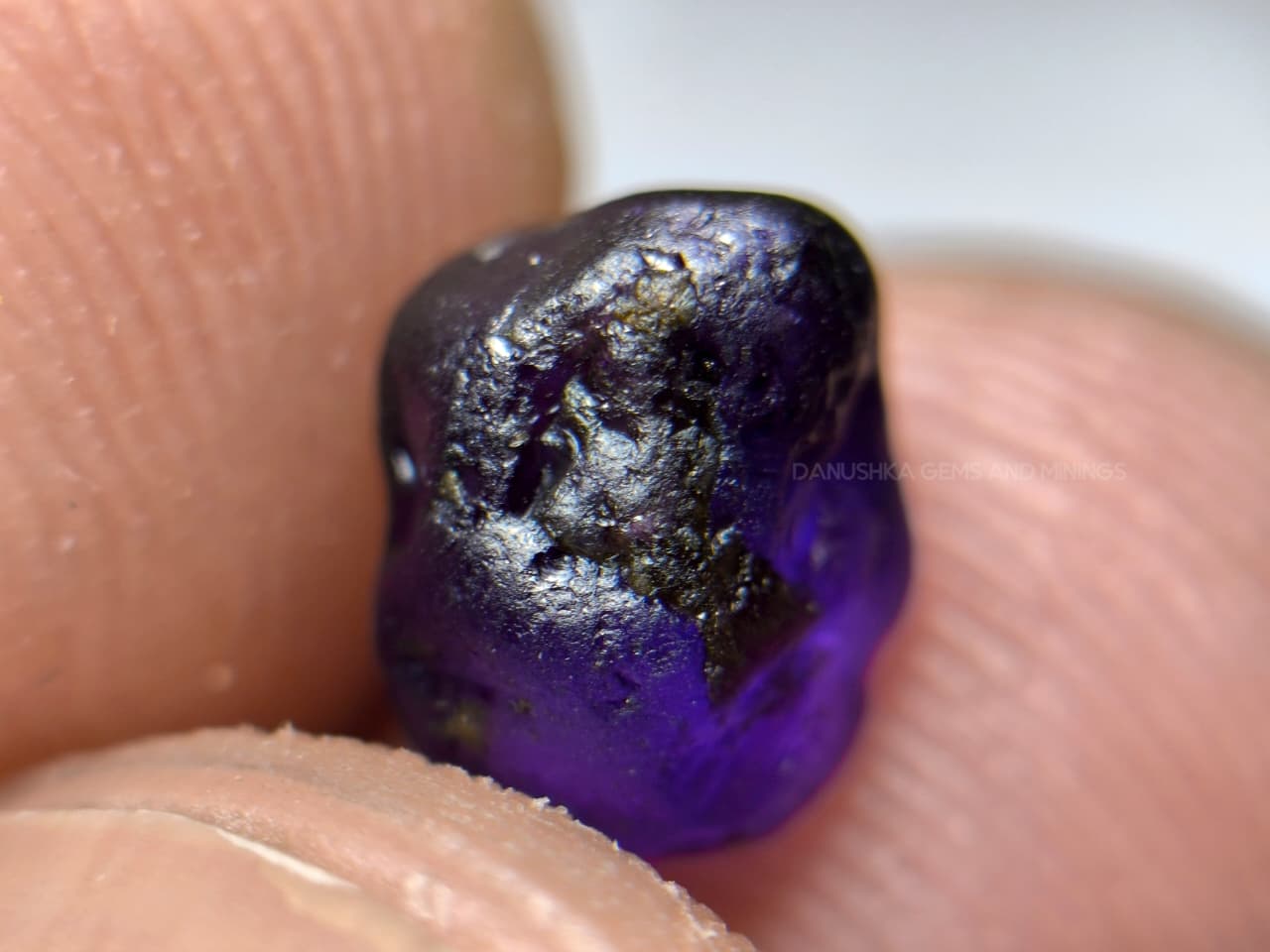
10.20 ct Ceylon Natural Unheated Fancy Sapphire Rough Parcel from Kahawatta, Sri Lanka – 5 Pcs Facet Grade Pink, Purple & Color-Band Sapphire Rough
Spread the Love
Stone Identity & Quality
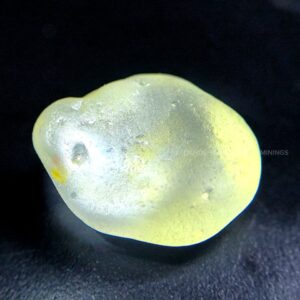
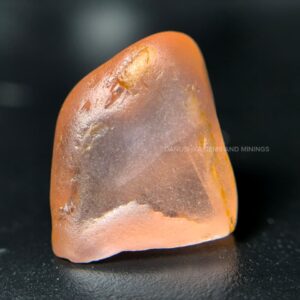
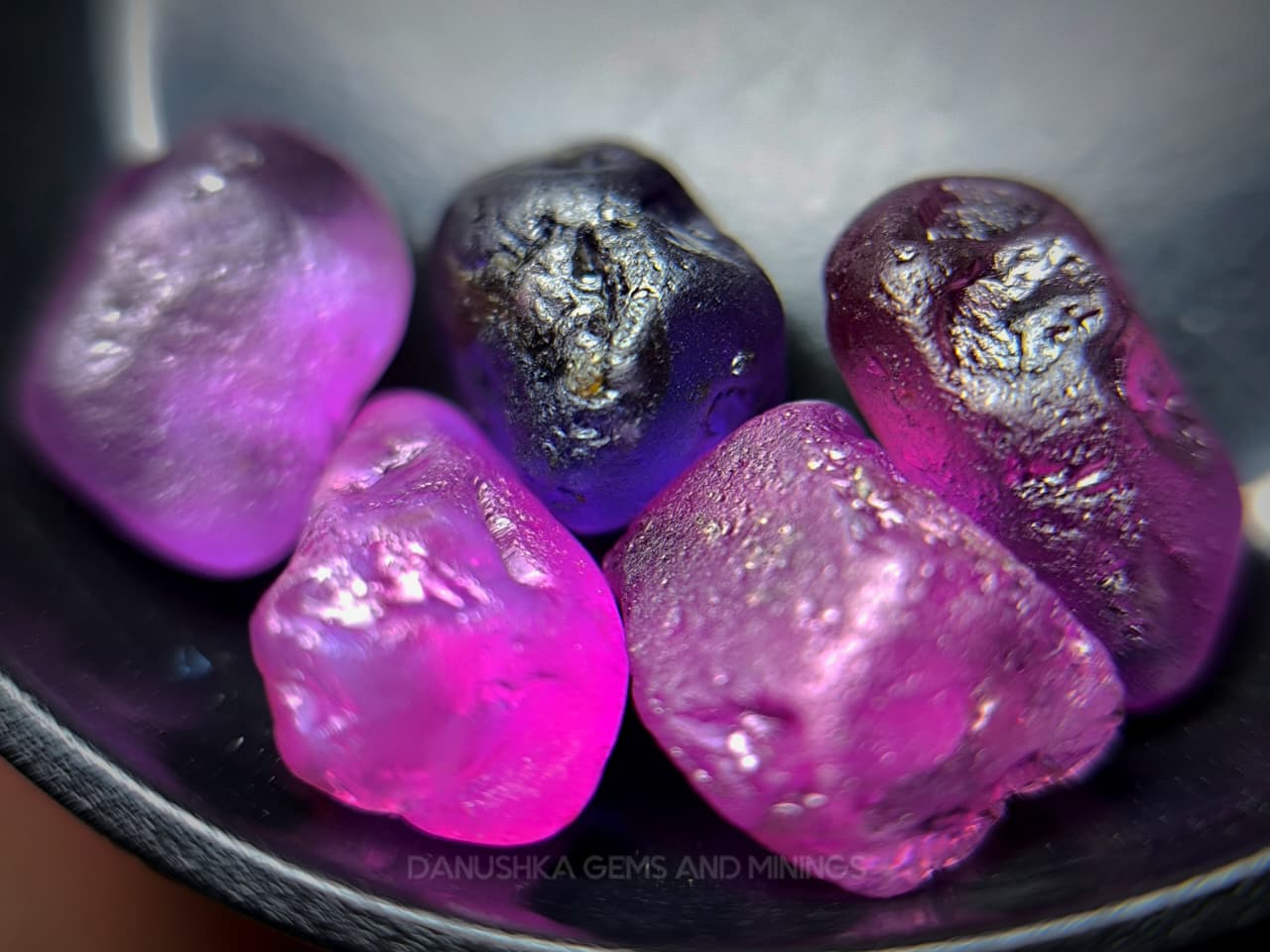
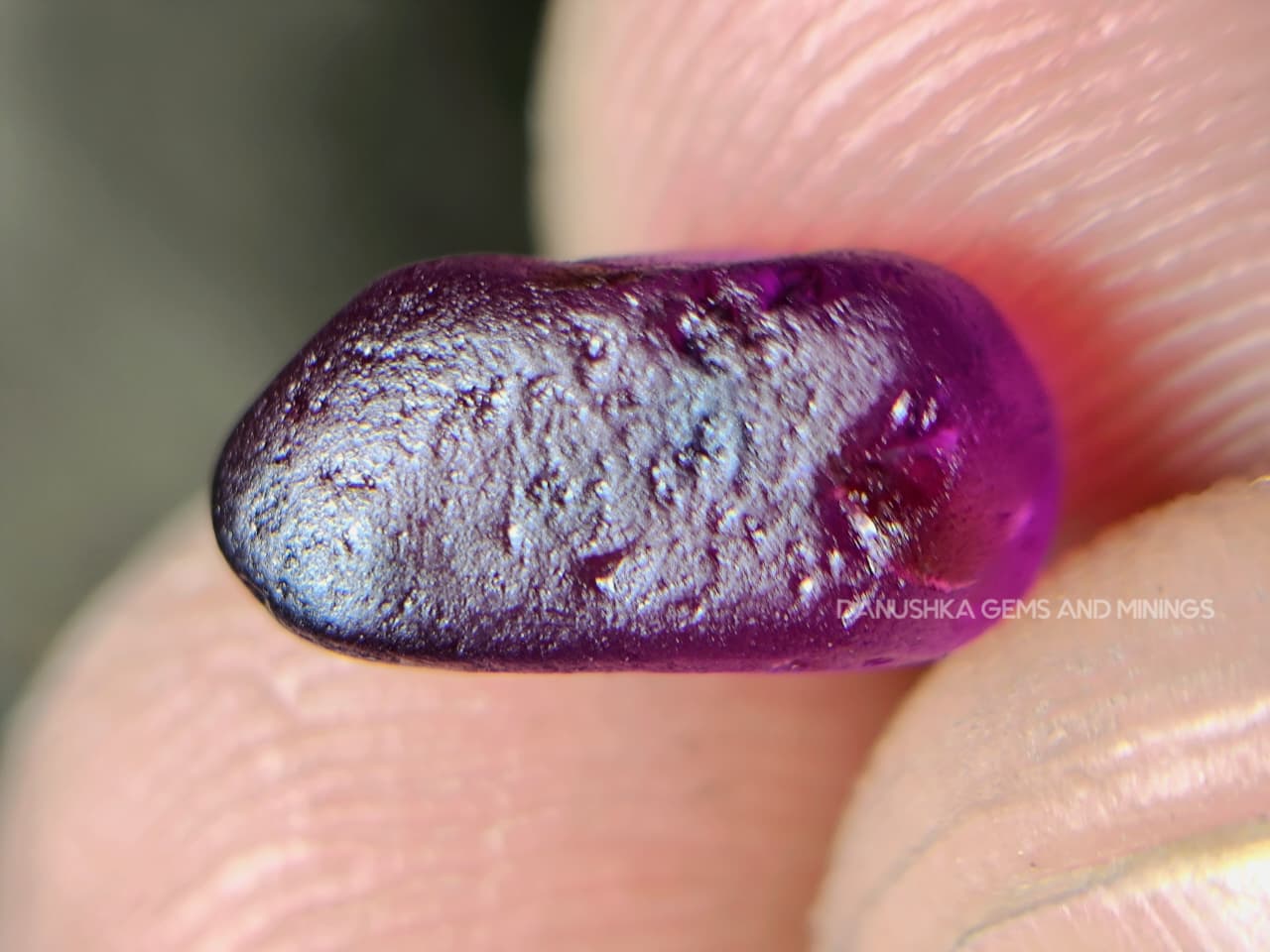
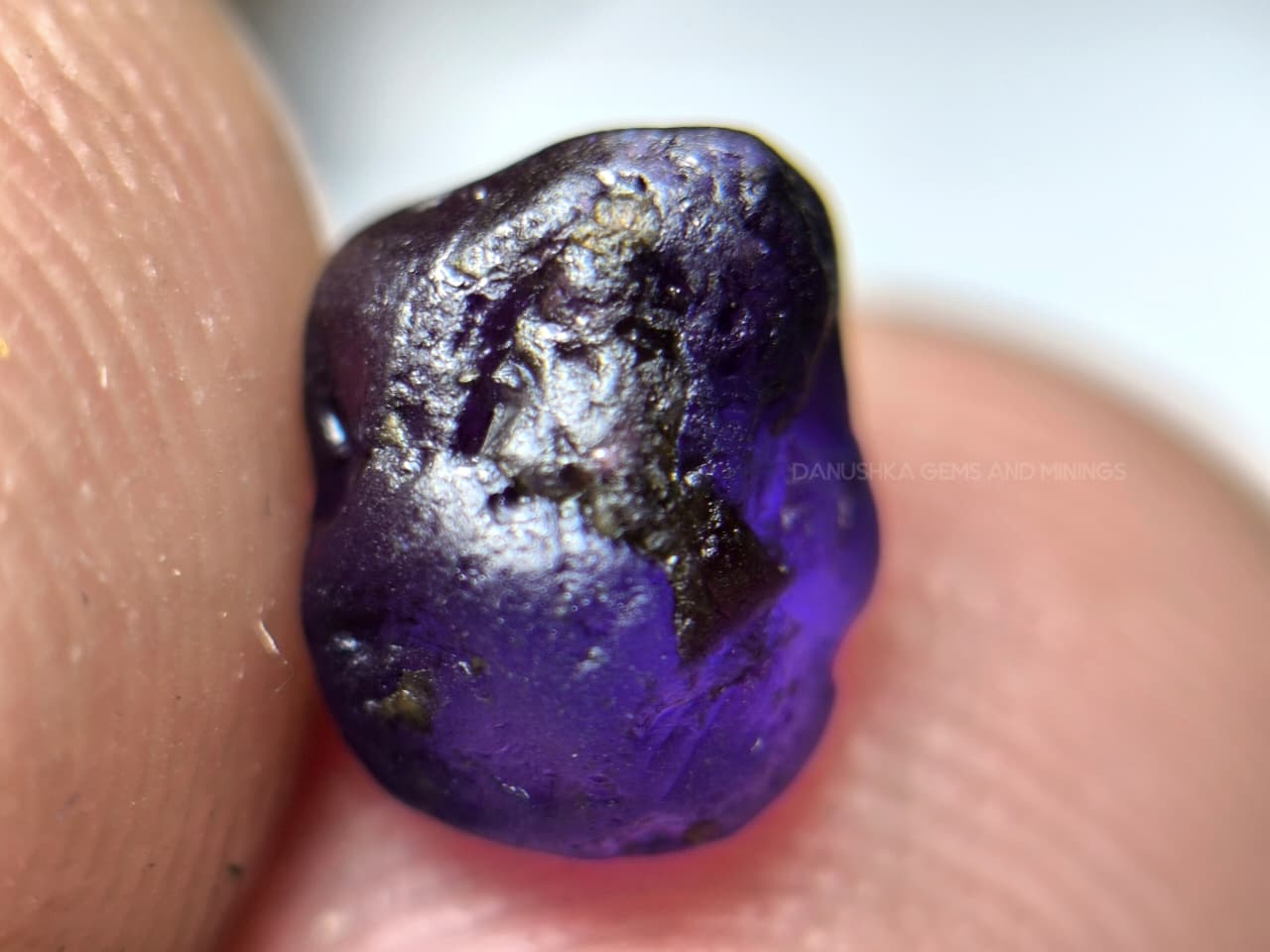
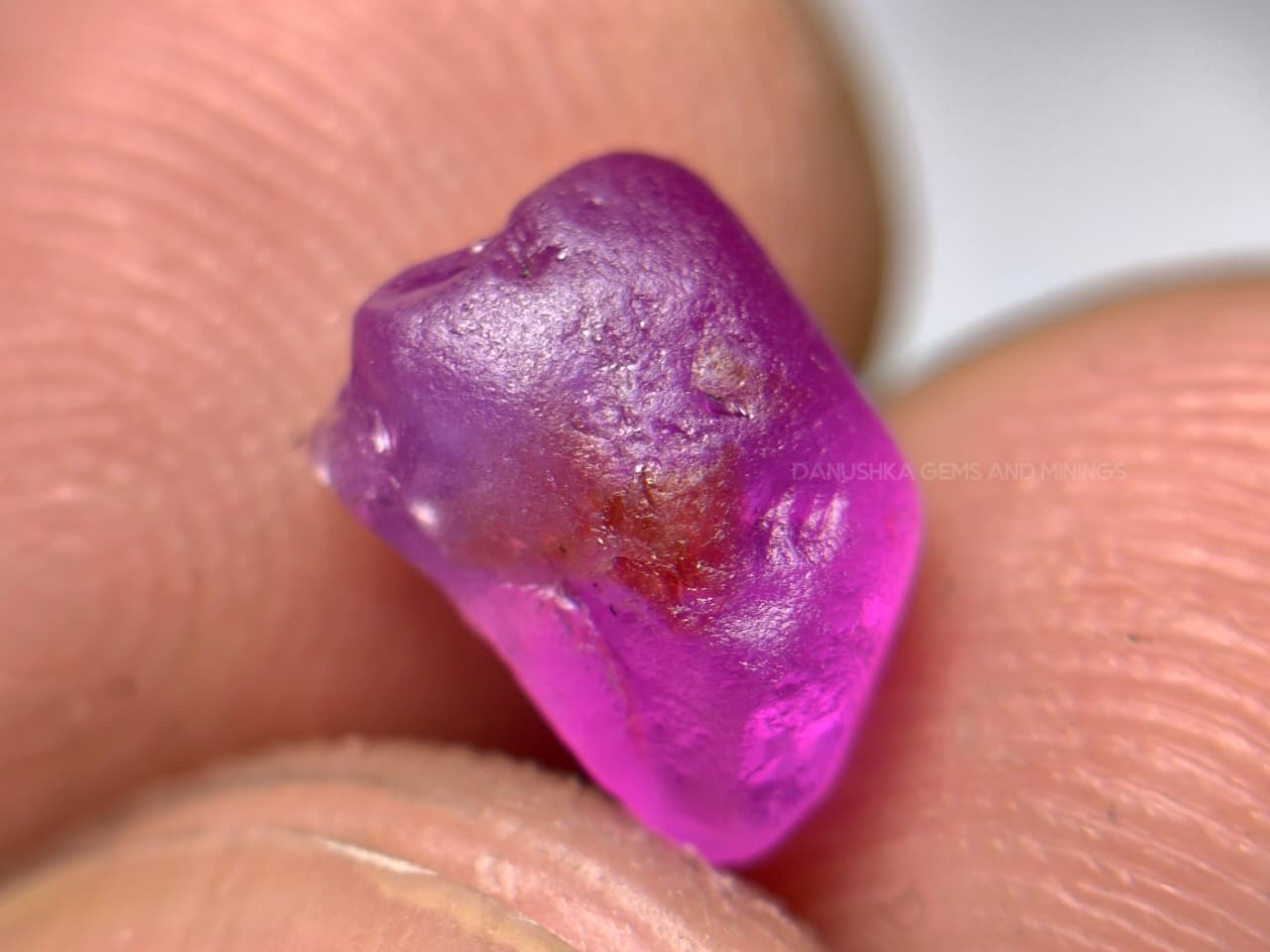
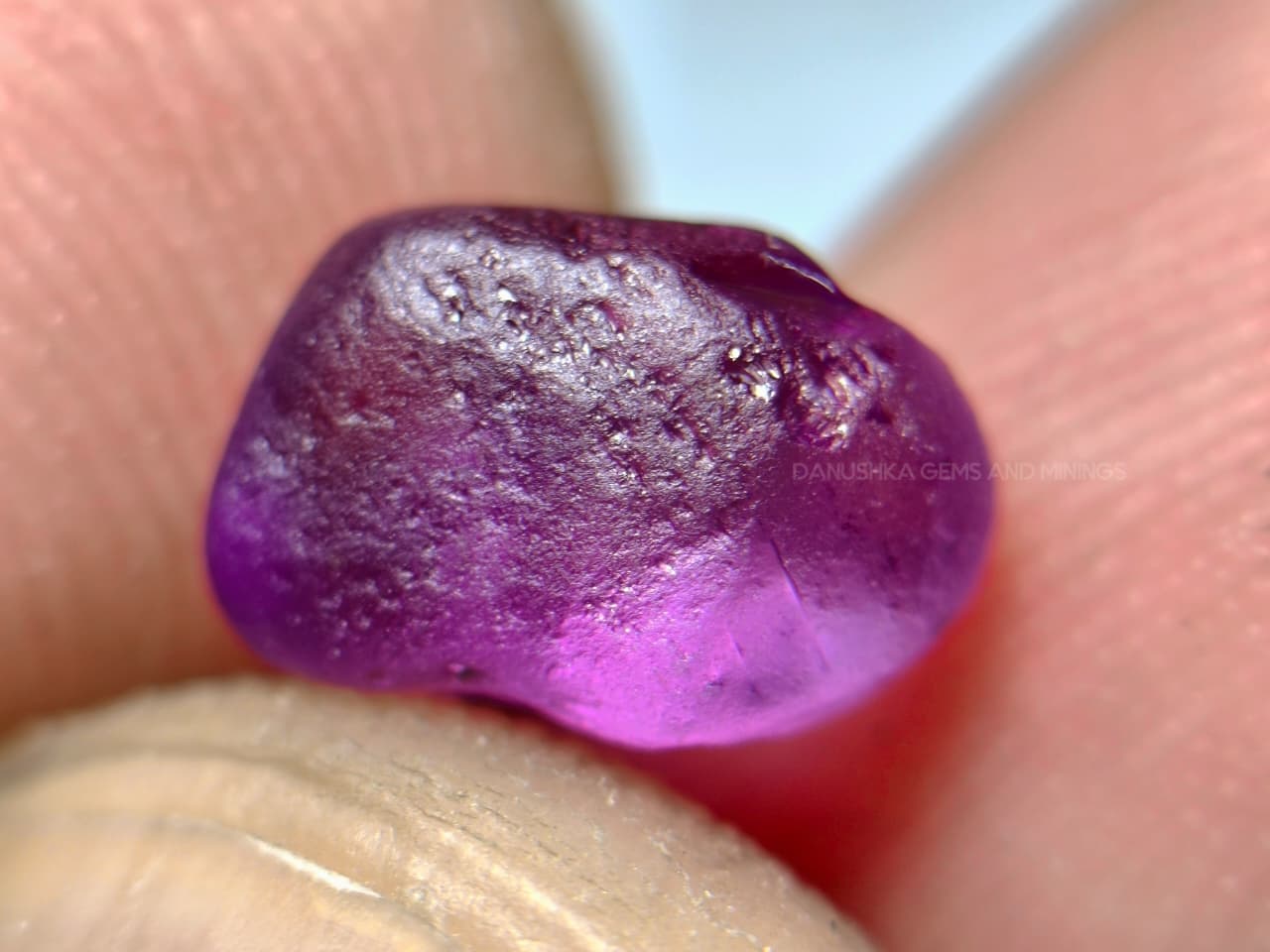
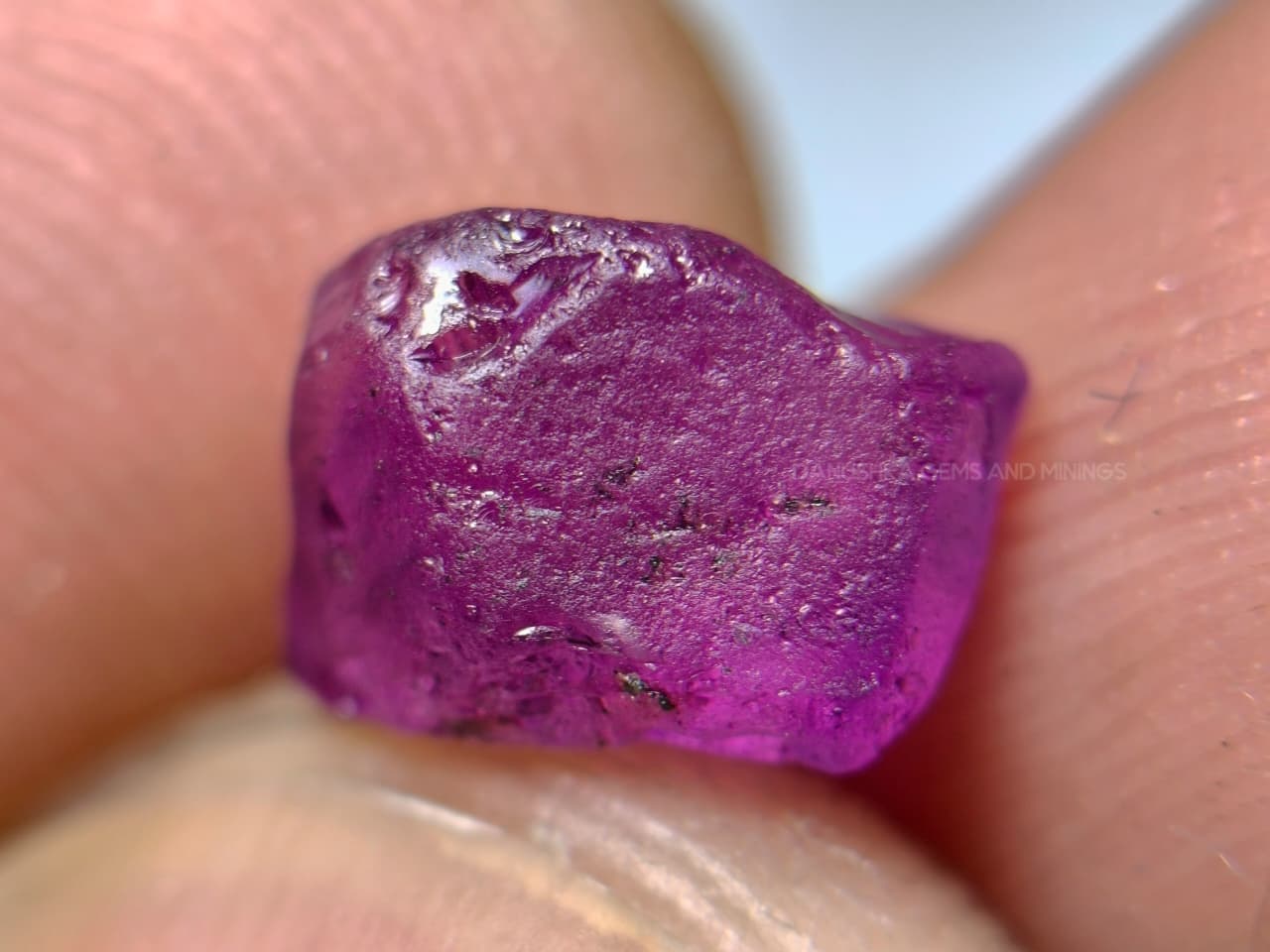
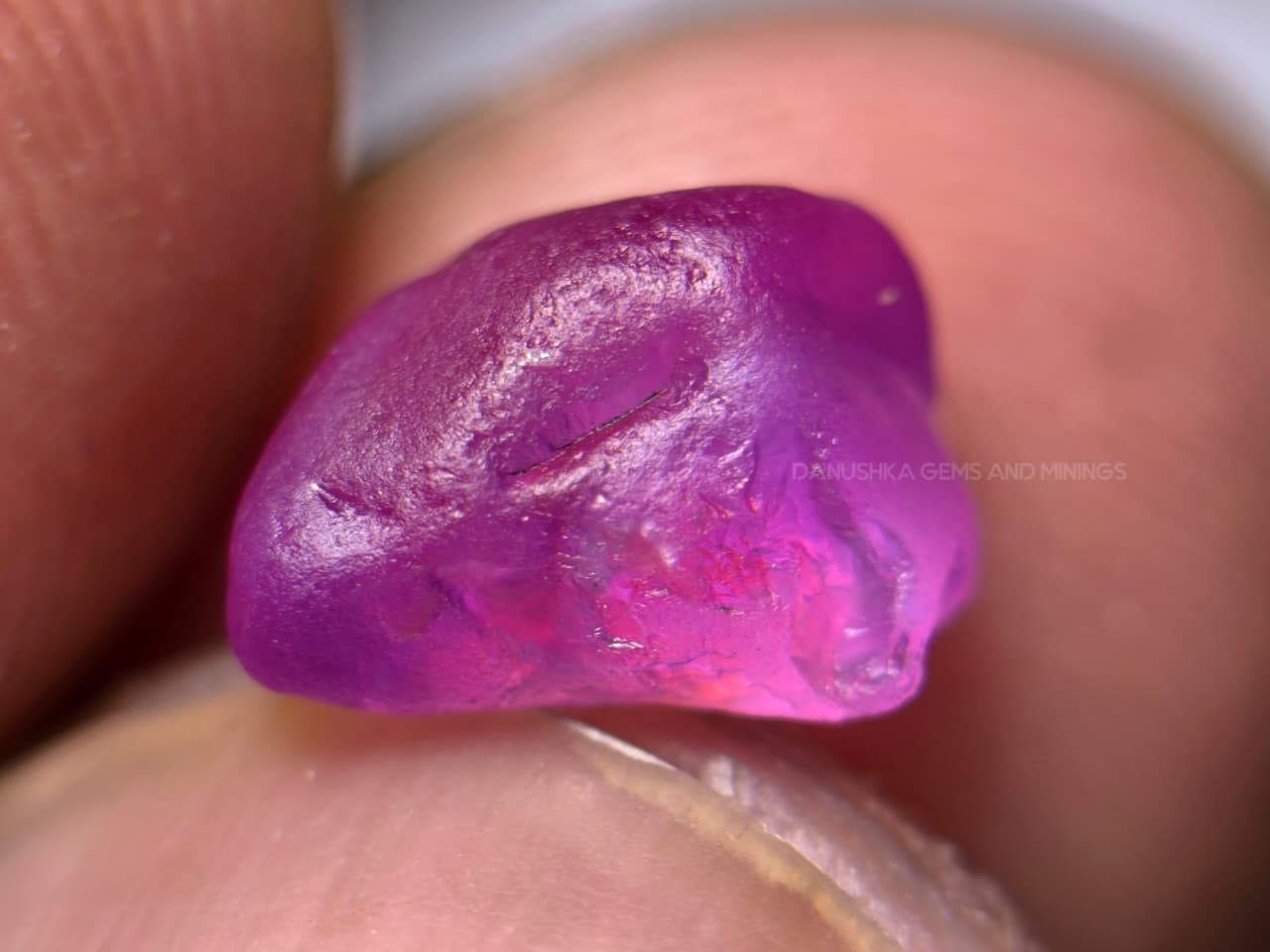
This is a 5-piece Ceylon Natural Unheated Fancy Sapphire rough parcel with a total weight of 10.20 ct, sourced from Kahawatta village around mining in Sri Lanka. The parcel includes a 1.80 ct rich deep intense purple sapphire rough measuring 6.9 × 5.7 × 4.5 mm, a 2.05 ct pink sapphire rough with a visible blue color band measuring 9 × 4.7 × 4.5 mm, a 2.30 ct purplish-pink sapphire rough with cushion face appearance measuring 7.8 × 5.8 × 4.8 mm, a 2.00 ct alluvial rounded-corner pink sapphire rough measuring 7.9 × 5.5 × 4.5 mm, and a 2.05 ct hot pink sapphire rough measuring 8 × 5.8 × 4.4 mm. All stones are presented as natural unheated facet-grade rough for cutting evaluation.
Color & Visual Characteristics
The parcel shows a strong fancy sapphire color range, from rich deep purple to hot pink, purplish pink, and softer alluvial pink. One stone shows an interesting pink body with a blue color band inside the rough, making it important to study orientation before cutting. The 2.30 ct stone has a cushion-like face appearance in rough form, while the 2.00 ct piece shows a rounded alluvial outline. The final face-up color of each stone will depend on how the cutter positions the color, depth, zoning, and pavilion direction during cutting.
Internal & External Features
These stones show natural rough surfaces and alluvial character from Sri Lanka’s gem-bearing environment. Each piece has its own surface texture, body shape, and internal color structure. The parcel includes rounded forms, cushion-like appearance, elongated body shape, and color banding. Before cutting, each stone should be checked individually for clean areas, surface-near marks, zoning, depth, and best cutting direction. The parcel is presented as natural unheated rough, with final clarity and face-up appearance to be confirmed through professional cutting evaluation.
Cutting, Specimen, or Treatment Potential
As a facet-grade rough parcel, these five sapphires can be studied for small custom faceted gemstones. The different shapes allow different planning directions, including cushion-style, oval-style, freeform, and other suitable cuts depending on each stone’s structure. The blue color band inside the pink rough should be positioned carefully if the cutter wants to manage color balance. No finished weight or final color result should be promised before inspection, pre-forming, and cutting study. Custom cutting and certification can be arranged if suitable.
Source & Ethical Position
Danushka Gems & Minings works directly with gemstone sourcing areas in Sri Lanka, presenting natural rough stones with honest evaluation and clear origin transparency. This fancy sapphire rough parcel is connected to Kahawatta village around mining in Sri Lanka, an important gem-producing area. Our approach is to show rough material realistically, explain the visible color, shape, and cutting possibilities, and help gemstone buyers, cutters, dealers, collectors, and jewelers understand the true potential of each natural stone before cutting.
Frequently Asked Questions
A: This parcel includes 5 natural unheated Ceylon fancy sapphire rough pieces in purple, pink, purplish pink, hot pink, and pink with a blue color band.
A: The total weight is 10.20 ct.
A: It is sourced from Kahawatta village around mining in Sri Lanka.
A: No, the stones are presented as natural unheated Ceylon sapphire rough.
A: Yes, they are described as facet-grade rough, also each stone must be studied individually for orientation, clean area, color direction, and yield before cutting.