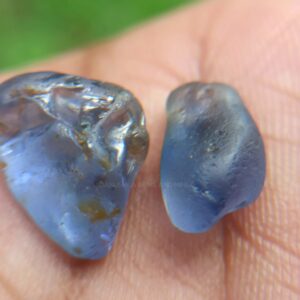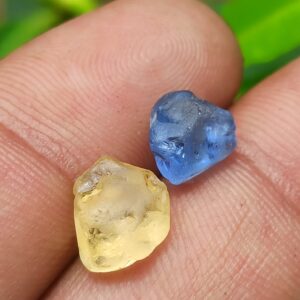
| Weight | 9.90 ct |
|---|---|
| Dimensions | 16.4 × 10 × 6.5 mm |
| Grade | Facet Grade |
| Variety | Sapphire Rough |
| Treatment | unheated |
| Mining Location | Ratnapura village around mining in Sri Lanka |
Sold out!


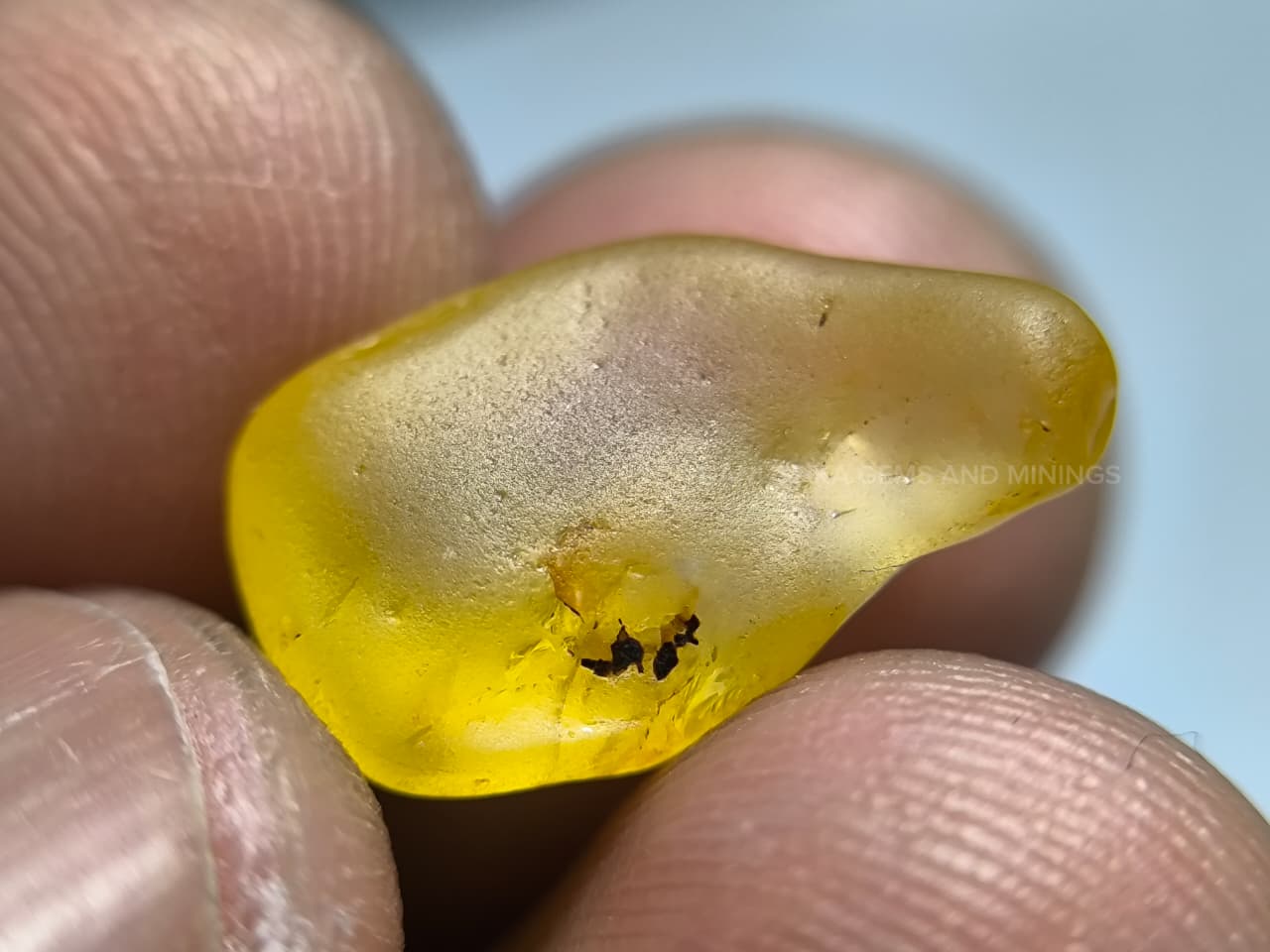
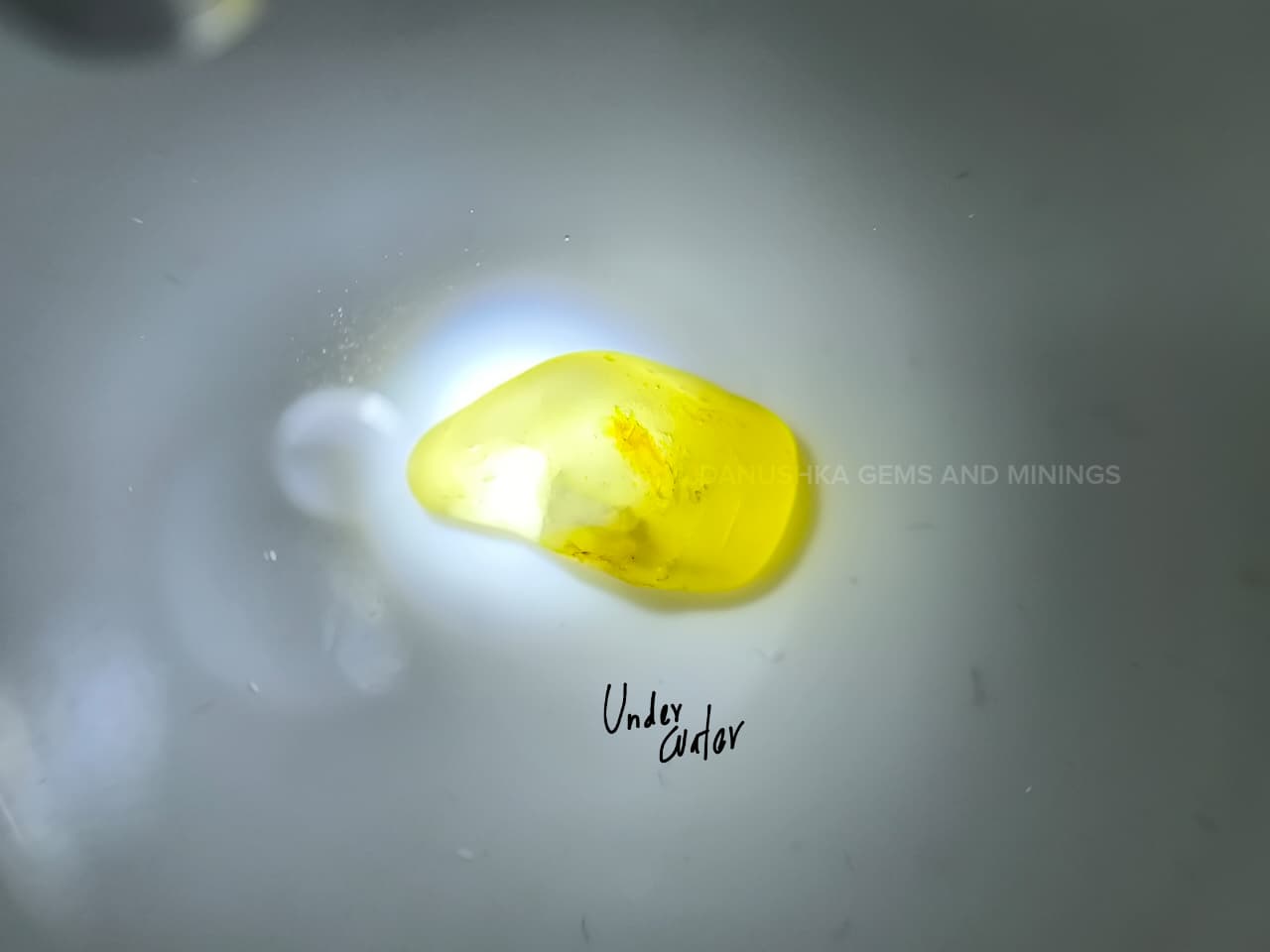
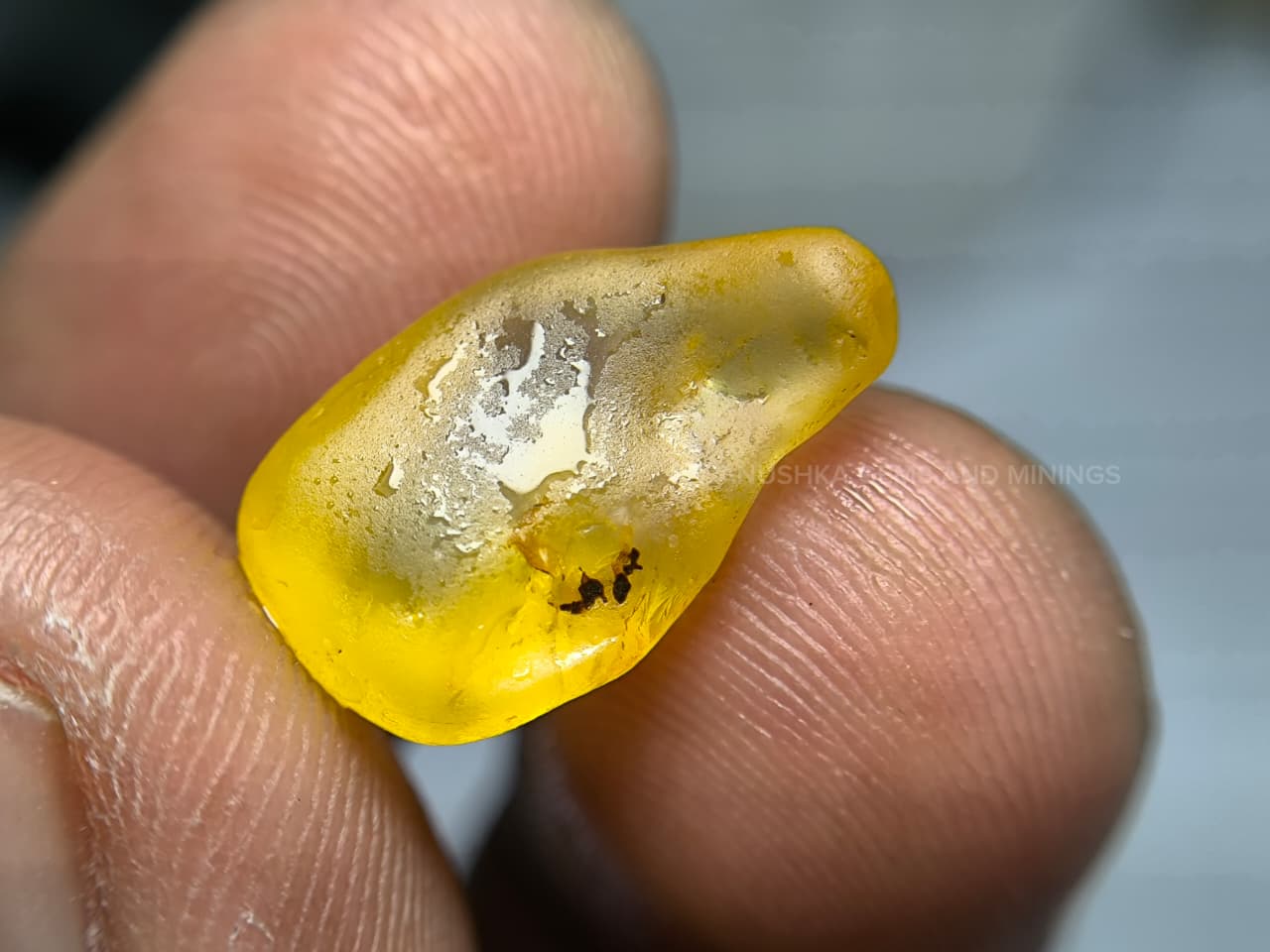
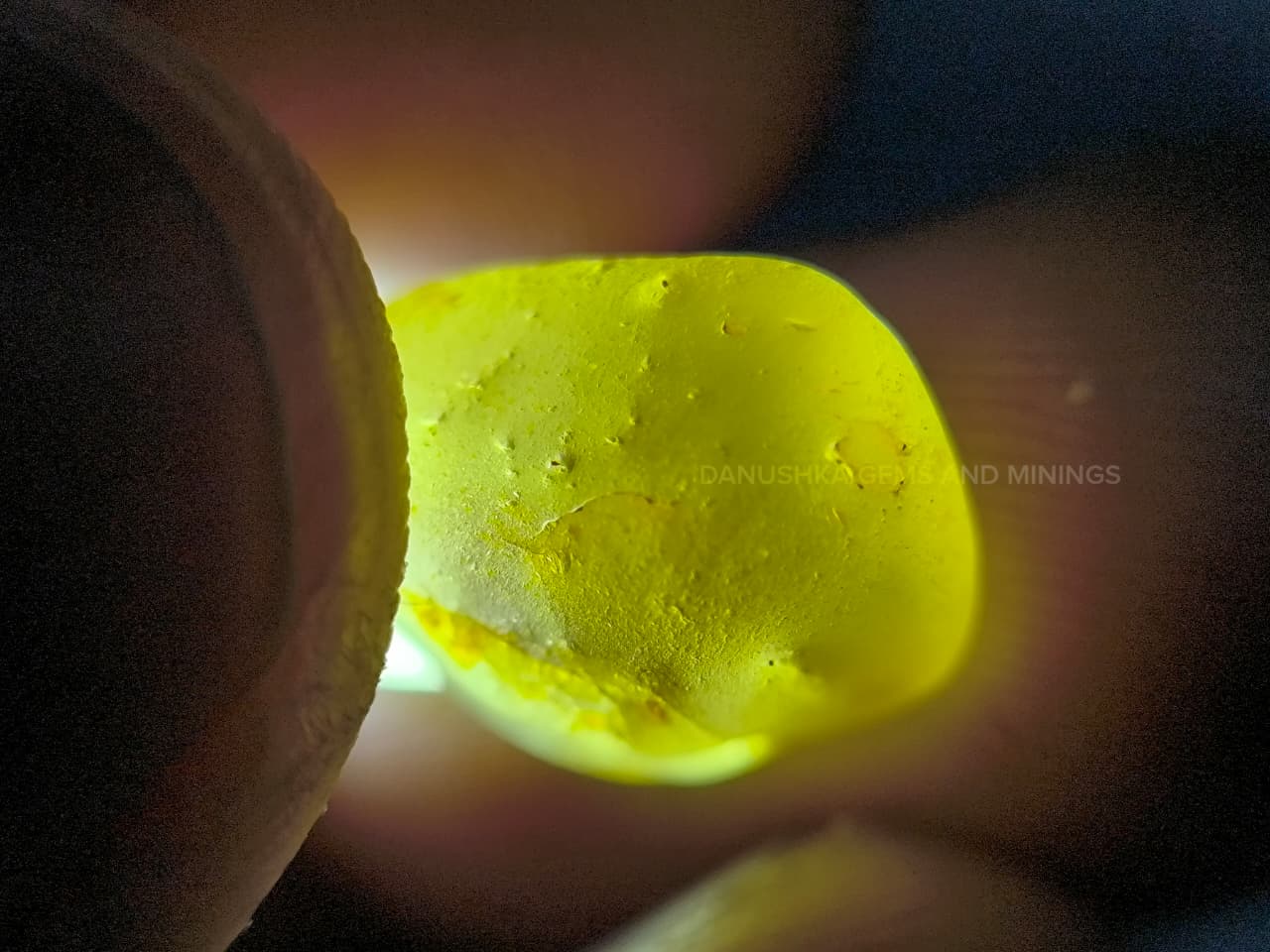
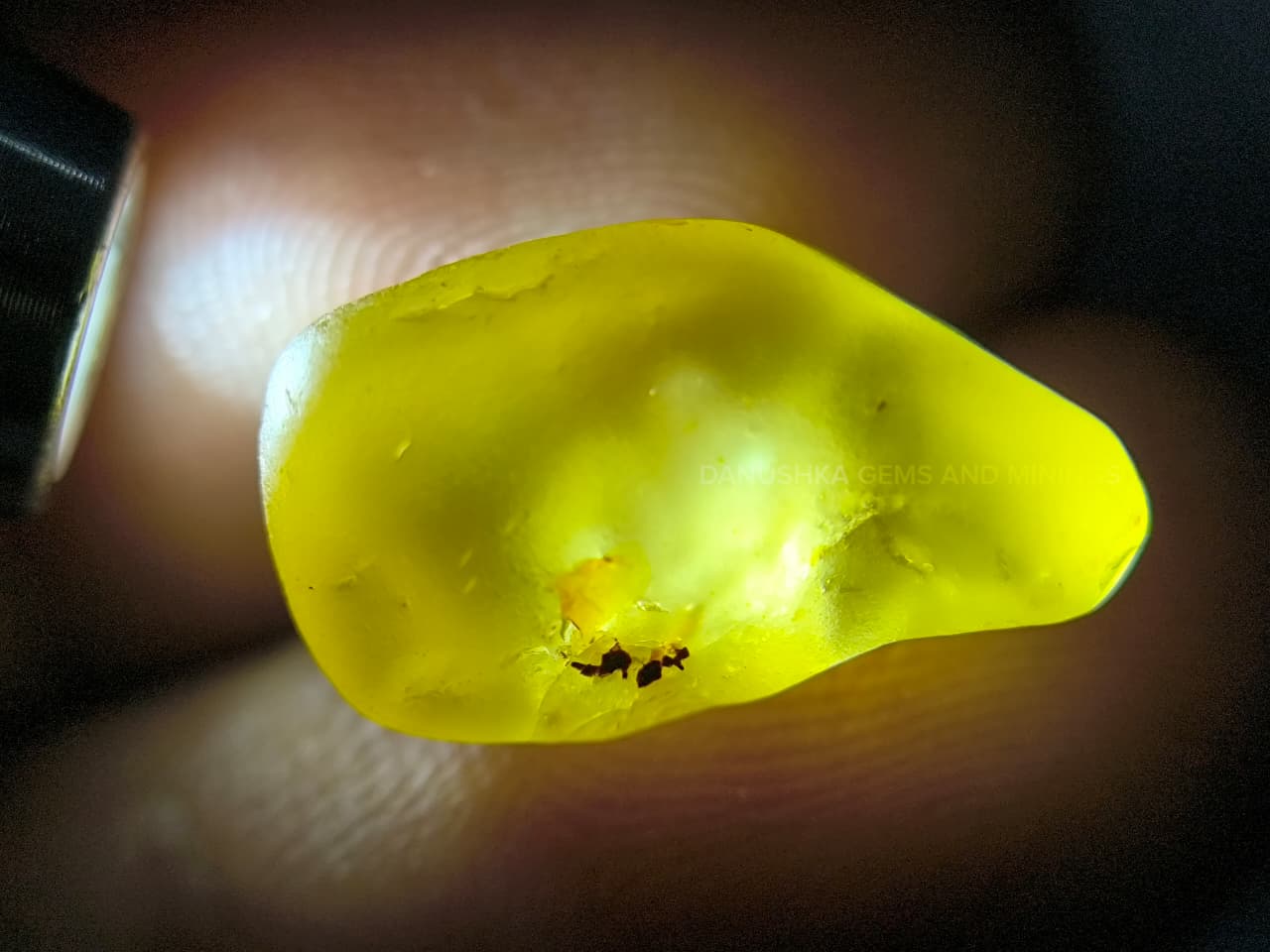
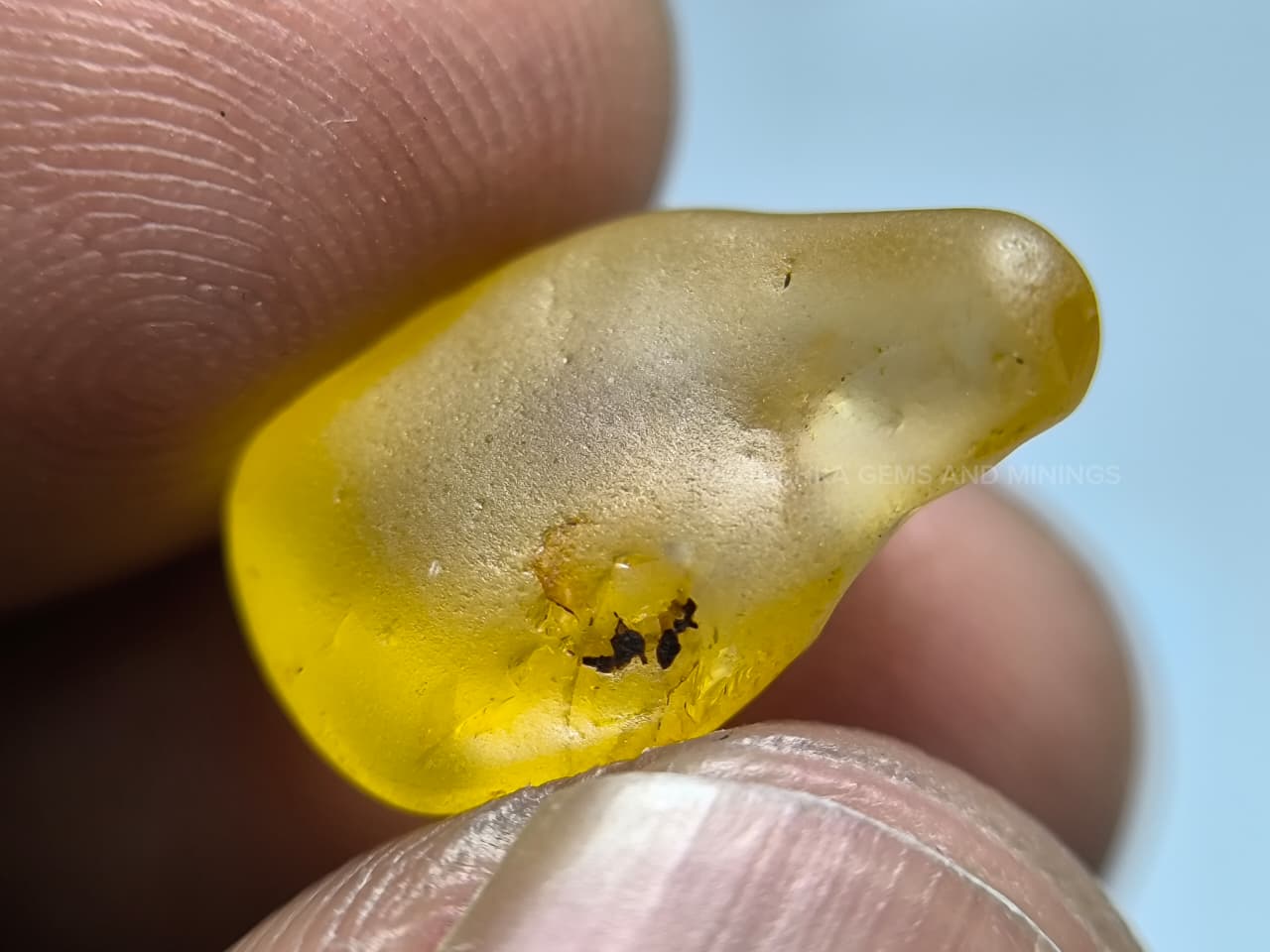
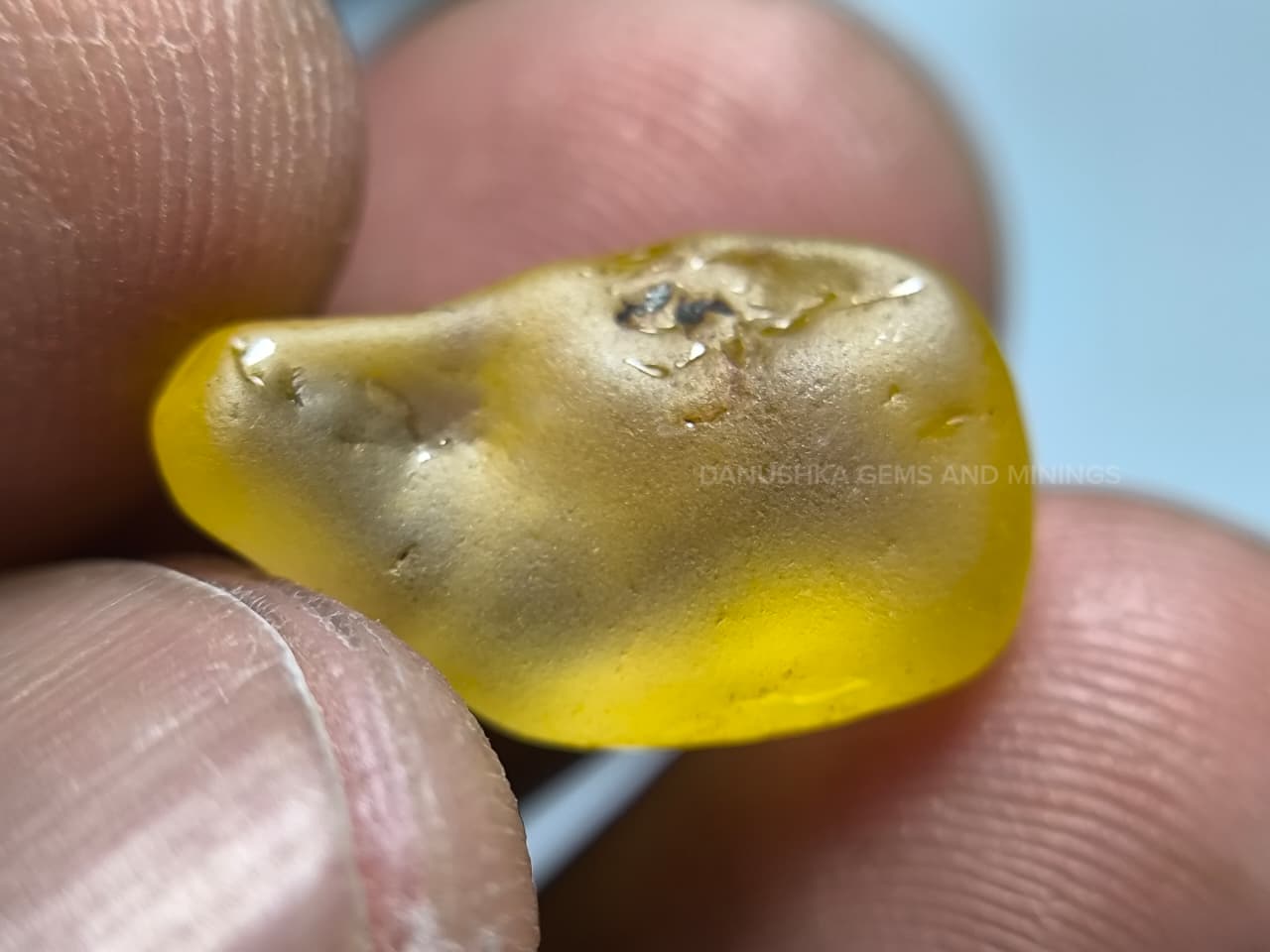
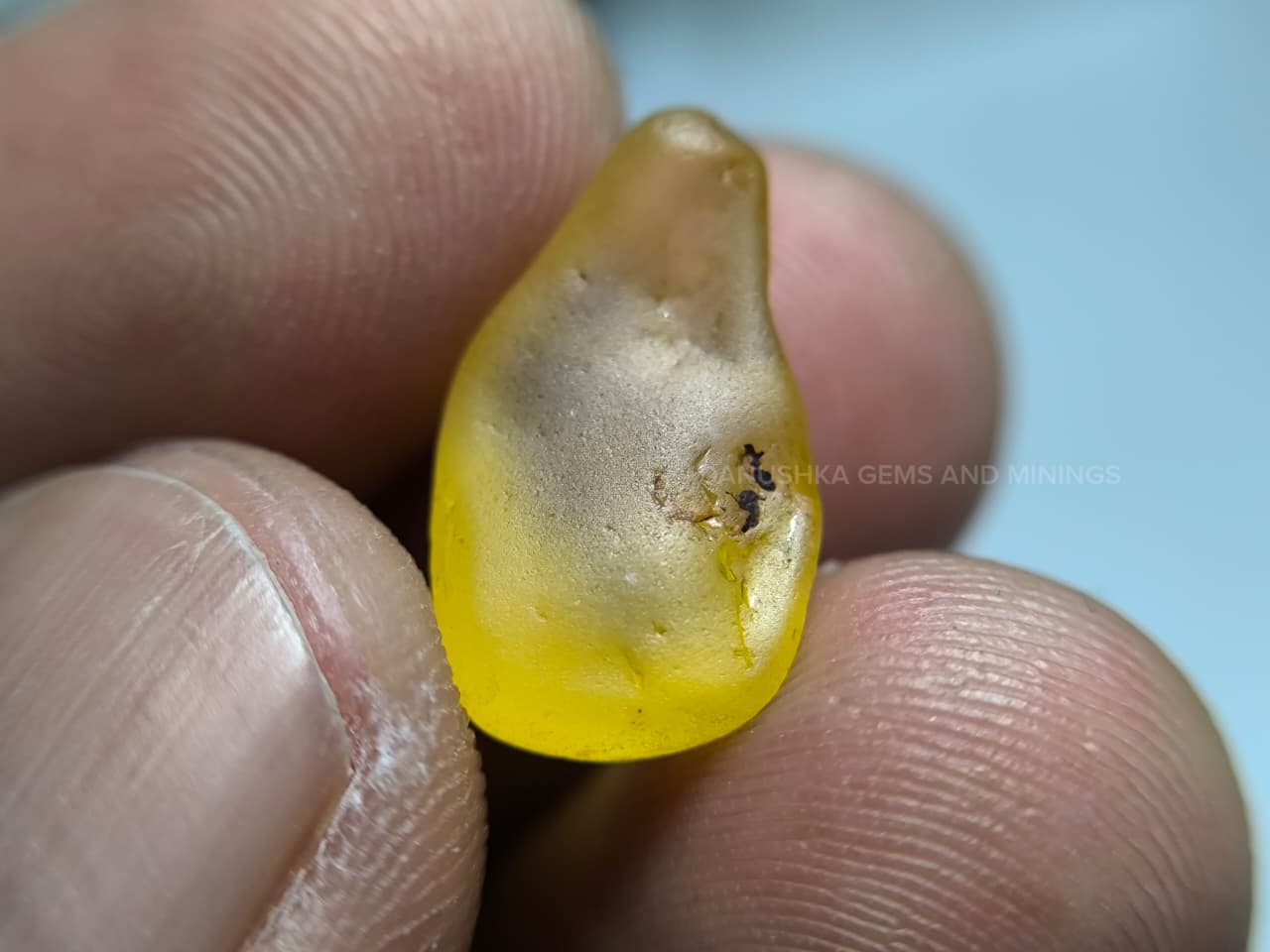
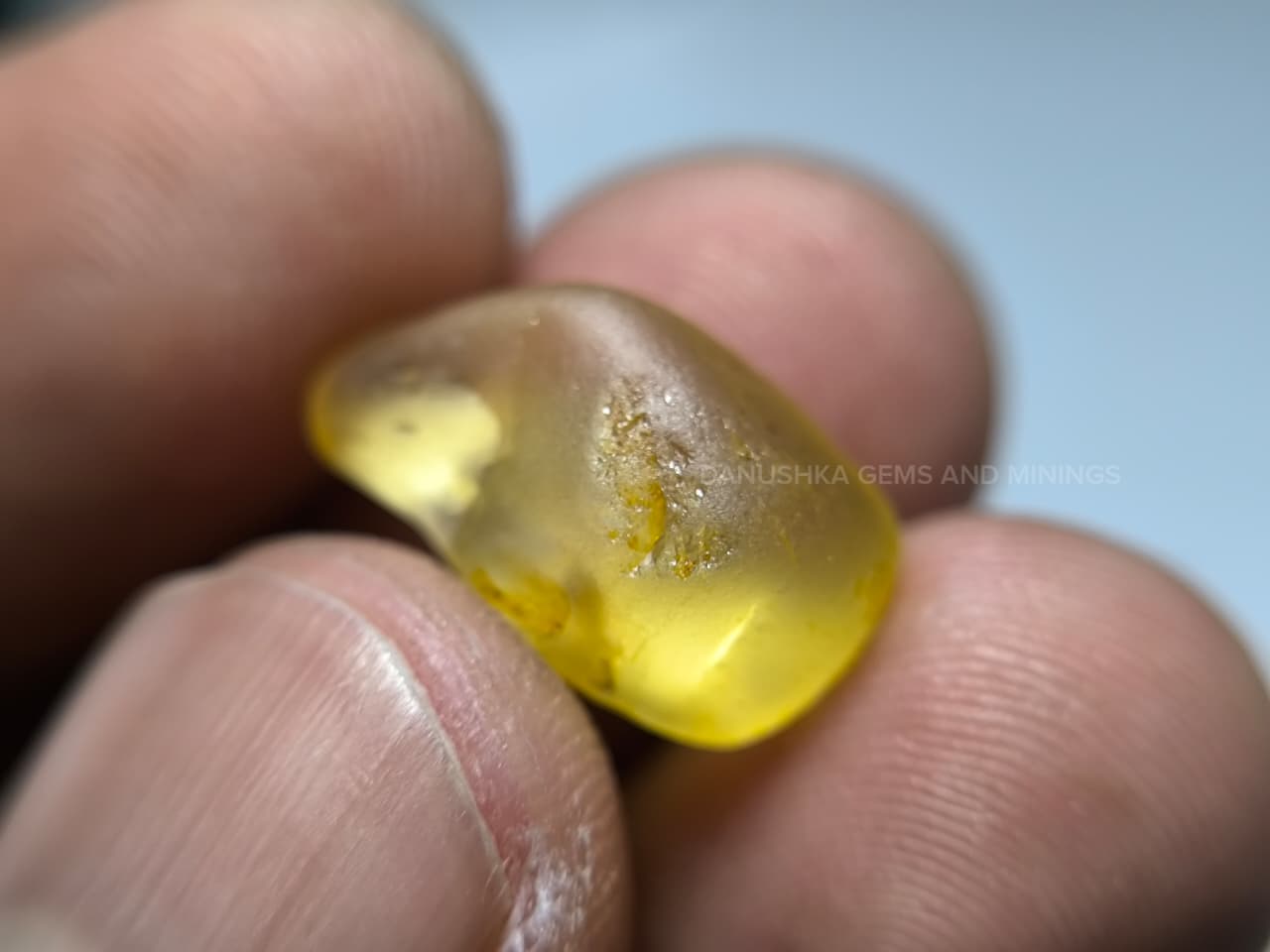
9.90 ct Unheated Ceylon Yellow Sapphire Rough – Facet Grade Sapphire from Ratnapura, Sri Lanka
SKU
DG00462
Categories Sapphire Rough, Yellow Sapphire
Tags Ceylon Yellow Sapphire Rough Price, gem set for jewelery, Yellow Sapphire Rough Price
Spread the Love
Stone Identity & Quality
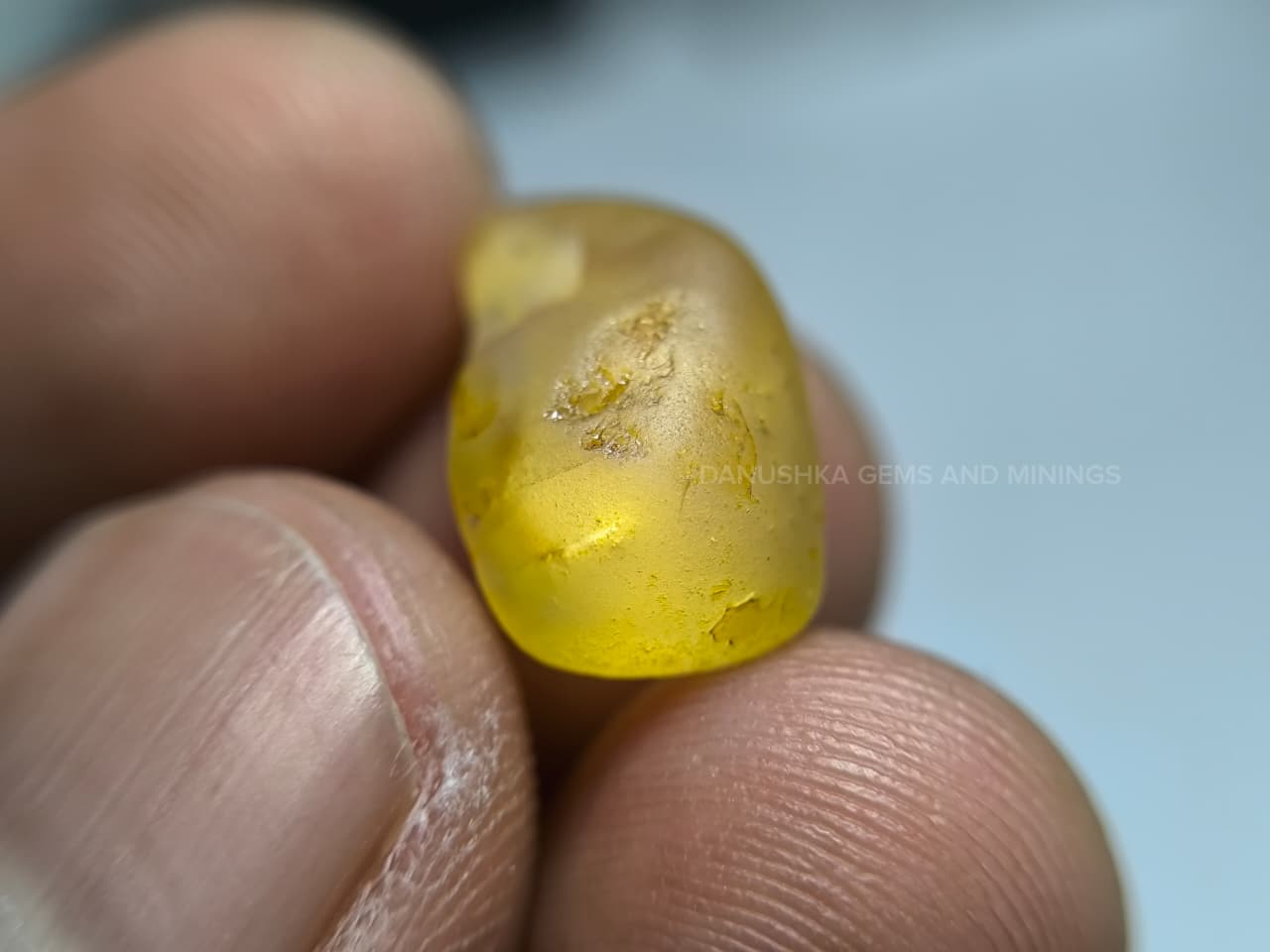
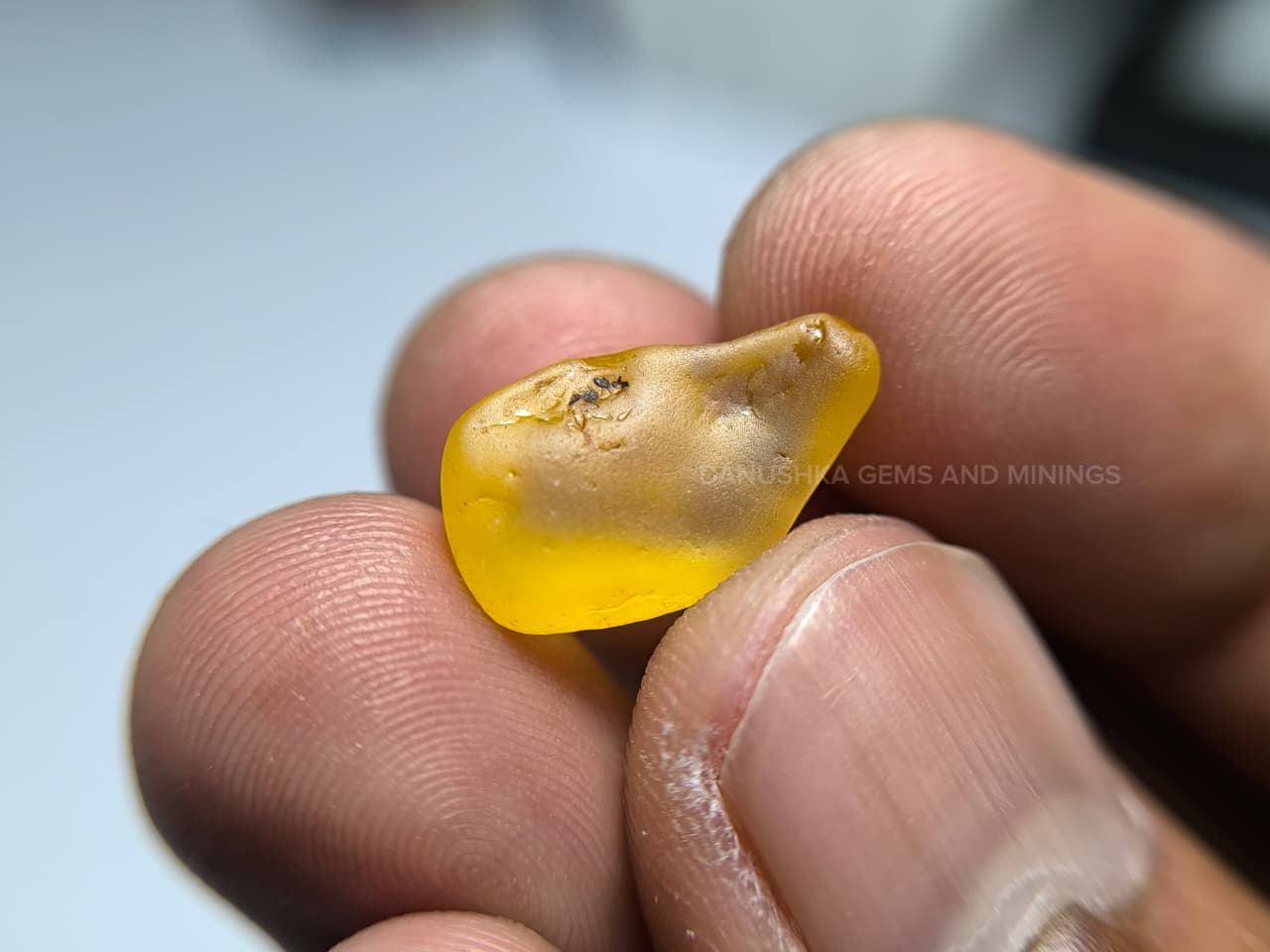
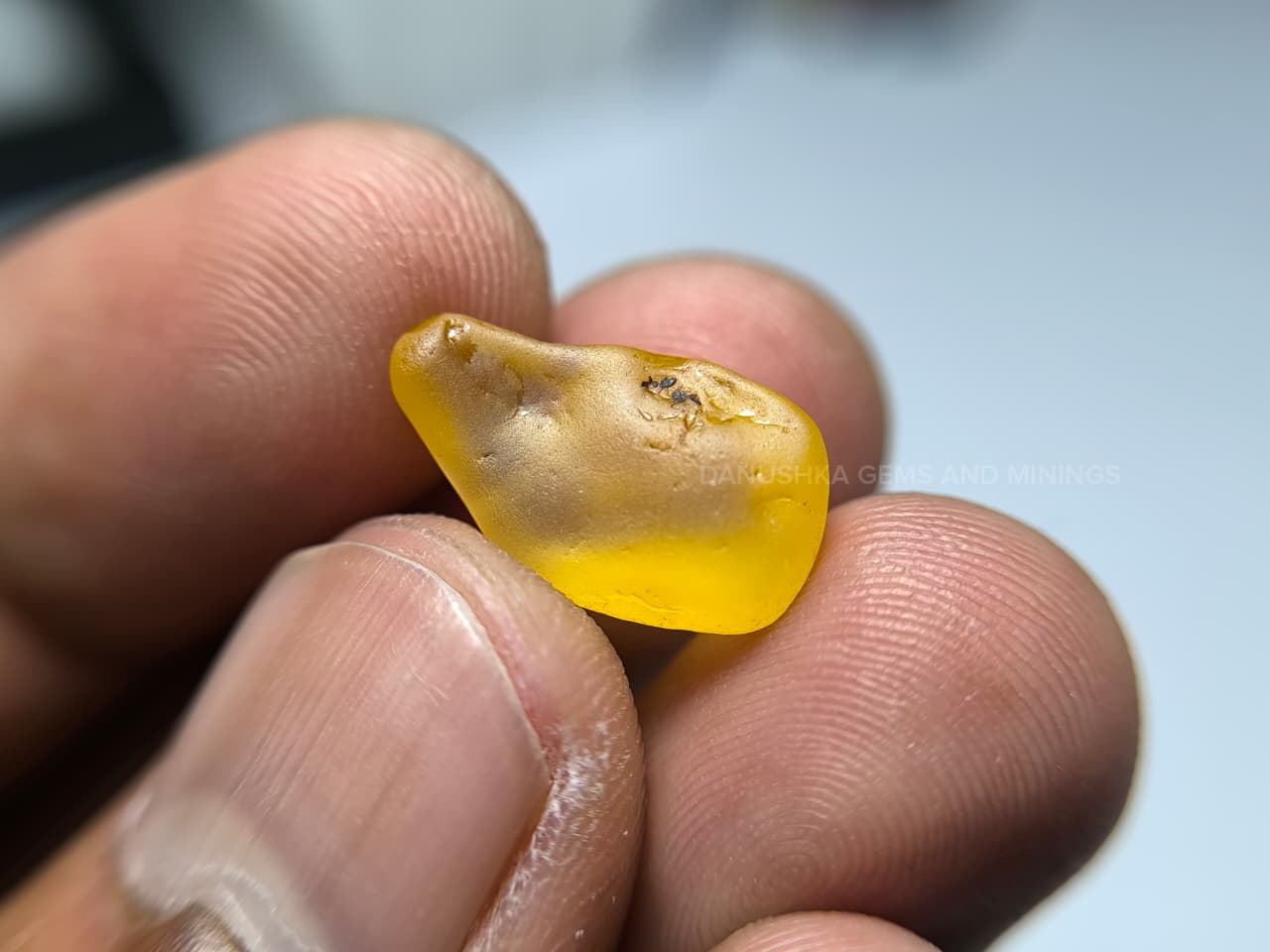
This 9.90 carat natural Ceylon Yellow Sapphire rough measures 16.4 × 10 × 6.5 mm and originates from Ratnapura village around mining in Sri Lanka, one of the most important sapphire-producing regions globally.
The stone is presented in its natural unheated condition, preserving the original geological characteristics formed within Sri Lanka’s metamorphic gemstone environment. Its size and structure classify it as facet-grade sapphire rough, suitable for lapidary evaluation.
Color & Visual Characteristics
The sapphire displays a bright yellow body color, typical of Sri Lankan yellow sapphires. The color appears concentrated within the deeper portion of the stone, creating an attractive natural tone that may influence cutting orientation.
Yellow sapphire coloration in Sri Lanka is commonly influenced by trace iron within the crystal structure, producing warm golden tones that are highly valued in gemstone markets.
Internal & External Features
The rough sapphire retains natural alluvial shaping, resulting from transportation through river gravels over long geological periods. Minor surface textures and abrasions are common in such stones and provide insight into their natural history.
Internally, the stone contains natural inclusions, which are typical in sapphire rough. These inclusions often guide cutters in planning how the final gemstone should be oriented to achieve optimal clarity and color balance.
Cutting & Treatment Potential
Professional lapidaries evaluate sapphire rough by analyzing:
Natural crystal geometry
Color distribution
Internal inclusions
Stone depth and orientation
With its elongated structure and adequate depth, this specimen provides flexibility when considering possible cutting designs. Depending on orientation, cutters may focus on maximizing color appearance or preserving weight yield.
Although many sapphires in the market undergo heat treatment to enhance color or clarity, this specimen is presented in its natural unheated state, allowing buyers to decide on future treatment or maintain its natural condition.
Source & Ethical Position
The sapphire was sourced directly from Ratnapura village around mining in Sri Lanka, where traditional small-scale mining continues to produce some of the world’s most recognized sapphires.
At Danushka Gems & Minings, we work closely with local miners and gem traders, supporting responsible sourcing and ensuring transparency in gemstone origins.
Each rough gemstone represents the early stage of a gemstone’s journey—from geological formation to the craftsmanship of cutting and polishing.
Frequently Asked Questions
Facet grade rough refers to sapphire material with suitable clarity and structure for cutting into a faceted gemstone.
No. This stone is presented as a natural unheated sapphire.
Ratnapura is historically one of the most famous sapphire-producing regions in the world.
Yes. Its structure and size allow evaluation for gemstone cutting.
Yes. Natural inclusions are common and often help cutters determine the best orientation for faceting.